
L'impilamento a terra può sembrare economico perché non c'è l'acquisto di scaffalature il primo giorno. Per polveri insaccate sensibili alla pressione, input di fermentazione, ingredienti alimentari, pneumatici e carichi simili, il costo nascosto spesso emerge alla base della pila: sacchi schiacciati, cuciture danneggiate, materiale indurito, esposizione alla condensa e difficili decisioni di rilascio qualità. Una pila a dieci strati non è automaticamente un fallimento, ma è una condizione di rischio significativa quando carico, resistenza dell'imballaggio, tempo di permanenza e clima del magazzino non sono stati progettati insieme.
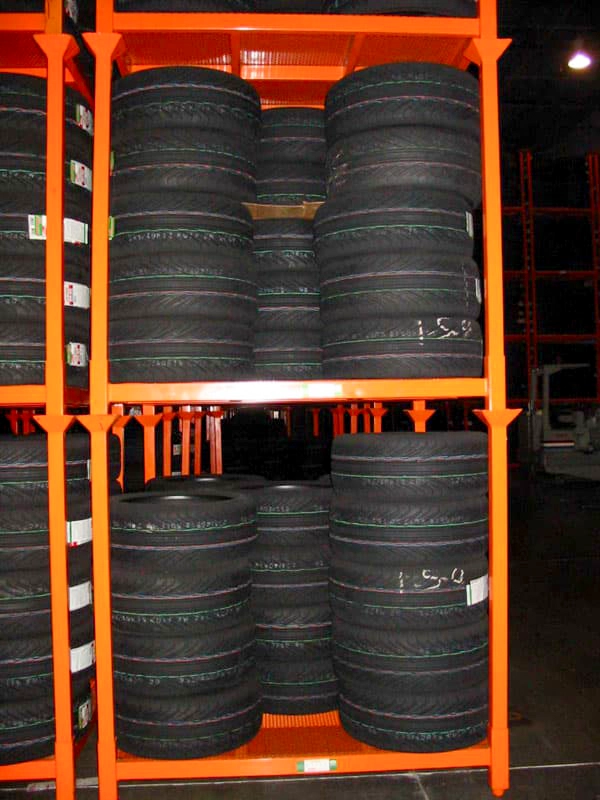
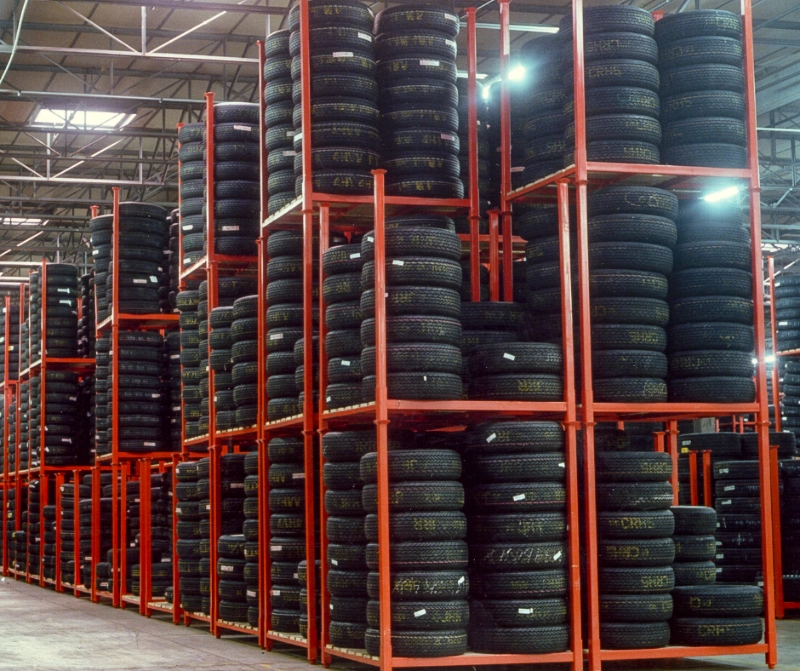
Un pallet a montanti smontabile cambia il percorso del carico. Invece di chiedere ai sacchi o ai pneumatici più bassi di sopportare la massa sopra di essi, una base in acciaio e montanti rimovibili trasferiscono il carico della pila attraverso la struttura al pavimento. Questa è l'idea centrale alla base di un Pallet a montanti smontabile Derack: proteggere il carico dalla compressione dell'impilamento mantenendo un'unità di stoccaggio mobile movimentabile con carrello elevatore.
Perché lo strato inferiore è dove inizia il danno
In una pila a terra, ogni strato inferiore supporta il peso cumulativo sopra di esso. Il carico è raramente perfettamente uniforme: i pallet si assestano, i sacchi si inarcano su superfici irregolari, gli angoli concentrano lo stress e la movimentazione può introdurre forze laterali. Una cucitura di un sacco, un rivestimento o un tallone di pneumatico può essere abbastanza resistente per la movimentazione normale ma diventare il punto debole dopo una compressione prolungata. Una volta che un imballaggio è deformato, piccoli impatti di movimentazione e l'esposizione all'umidità diventano più rilevanti.
Per le polveri, il termine sinterizzazione è comunemente usato per l'indurimento o l'agglomerazione causati da contatto prolungato tra particelle, pressione e ponti legati all'umidità. Non è un risultato che dovrebbe essere presunto dalla sola altezza della pila. Formulazione del materiale, attività dell'acqua, barriera dell'imballaggio, tempo di stoccaggio e variazione di temperatura sono tutti fattori importanti. La preoccupazione pratica del controllo qualità è che un sacco dello strato inferiore può diventare più difficile da dosare, più difficile da dissolvere o inadatto al rilascio anche quando il suo aspetto esterno inizialmente sembra accettabile.
La trappola di temperatura e umidità all'interno di una pila a terra
La pressione è solo una parte del problema. Le pile dense a terra limitano il movimento dell'aria attorno ai sacchi inferiori e al centro della pila. Quando un pavimento freddo, materiale caldo in entrata, lavaggi, oscillazioni stagionali di temperatura o refrigerazione creano un gradiente termico, il rischio di condensa locale può aumentare. Una cucitura danneggiata o un imballaggio appoggiato in una zona umida danno all'umidità un percorso verso un prodotto che potrebbe già essere sotto compressione.
Ciò non significa che ogni pila a terra ammufferà. Significa che i team di alimenti, mangimi e fermentazione dovrebbero trattare le condizioni combinate come un rischio controllabile: identificare dove l'aria è bloccata, dove le superfici si raffreddano, dove l'acqua può accumularsi e per quanto tempo il carico rimane lì. Il controllo appropriato può essere un processo di ricezione più asciutto, una base ventilata, un tempo di permanenza più breve, un imballaggio più resistente, il monitoraggio ambientale o un formato di stoccaggio diverso. In operazioni fredde, umide o soggette a lavaggi, anche la selezione dei materiali e delle superfici è importante; consultare la guida correlata su un Derack zincato per stoccaggio umido e freddo.
Come i pallet a montanti rimuovono la compressione dell'impilamento dal carico
Un pallet a montanti non è semplicemente un pallet piatto con lati più alti. La sua base e i montanti verticali formano il percorso strutturale previsto per l'unità di carico superiore. Quando il pallet, il numero di montanti, il piano di base, lo schema di carico e l'altezza della pila sono stati specificati per l'applicazione, il telaio superiore poggia sui montanti anziché direttamente sui sacchi, rotoli o pneumatici sottostanti. Il carico necessita comunque di uno schema di carico stabile e di un imballaggio adeguato; la struttura non rende sicuro da sola un carico instabile o sovraccarico.
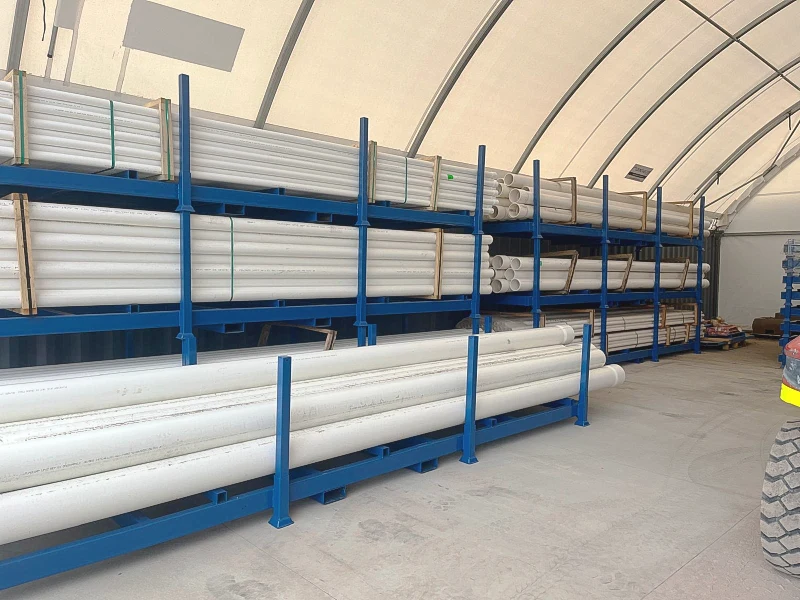
La configurazione dovrebbe seguire il carico. Un'unità a quattro montanti può adattarsi a un carico compatto e stabile. Merci più lunghe o più flessibili possono richiedere montanti o supporti aggiuntivi per ridurre la campata non supportata. Basi aperte o a griglia possono migliorare il flusso d'aria per carichi adeguati, mentre applicazioni con pneumatici, rotoli e materiali lunghi possono richiedere elementi di posizionamento o sistemi di ritenuta. Anche l'accesso del carrello elevatore e l'interfaccia di impilamento devono corrispondere alle condizioni reali di carrello, corridoio, pavimento e operatore del sito.
Scegliere il controllo che corrisponde alla modalità di guasto
- Migliorare il processo di impilamento a terra quando il prodotto ha un tempo di permanenza limitato, l'imballaggio è comprovato per il carico e il clima è controllato. Definire altezza della pila, schema degli strati, asciuttezza del pavimento e punti di ispezione invece di trattarli come pratiche informali.
- Utilizzare materiale di riempimento, separatori o imballaggi più resistenti quando il carico puntuale, il danneggiamento delle cuciture o un pavimento irregolare sono il problema principale. Queste misure possono ridurre lo stress locale, ma non trasferiscono l'intero carico della pila superiore lontano dal carico inferiore.
- Utilizzare scaffalature fisse selettive quando ogni pallet necessita di accesso diretto, il mix di SKU è elevato e il layout è sufficientemente stabile da giustificare corridoi e ancoraggi installati.
- Utilizzare pallet a montanti smontabili quando il carico non può sopportare in modo affidabile il carico di impilamento, è necessaria una conservazione verticale, la movimentazione dell'unità con carrello elevatore è pratica e il layout deve rimanere flessibile tra stagioni o programmi.
Per le polveri sensibili, la risposta migliore è spesso una revisione di imballaggio e processo prima: verificare la barriera all'umidità, la durata dell'impilamento, il piano di campionamento e i controlli ambientali. Un pallet a montanti è più prezioso quando l'indagine mostra che il carico verticale stesso è parte del meccanismo di perdita.
Confronto dei costi: confrontare il costo del guasto, non solo il primo acquisto
L'impilamento a terra ha un basso costo di capitale visibile, ma può comportare costi nascosti: svalutazioni o rilavorazioni da prodotto indurito, inventario respinto o declassato, sostituzione dell'imballaggio, ispezione aggiuntiva, prelievo più lento e capacità cubica persa. Le scaffalature fisse spostano il costo verso l'installazione, gli ancoraggi, i corridoi protetti e la ridotta flessibilità del layout. I pallet a montanti smontabili spostano maggiori costi verso attrezzature mobili riutilizzabili e configurazione specifica per l'applicazione.
Il confronto corretto utilizza i vostri dati, non un'affermazione generica di risparmio. Moltiplicate la quantità annuale attesa a rischio per il costo verificato del danno o dello smaltimento; aggiungete manodopera, blocchi di qualità, costo dello spazio a terra e logistica di reso ove pertinente; poi confrontate quel totale con la vita utile, la manutenzione, il volume di reso a vuoto e il valore residuo di ciascuna opzione. Un'ipotesi ragionevole può essere utilizzata per modellare gli scenari, ma deve essere etichettata come ipotesi finché i dati del sito non la confermano.
Dove si inserisce un pallet a colonne smontabile—e dove no
Le unità in stile Derack sono un forte candidato per prodotti pesanti, sensibili alla compressione, sensibili all'umidità, difficili da trattenere o spostati ripetutamente come unità. Si adattano anche alle operazioni che necessitano di un buffer di stoccaggio mobile, di un'unità di trasporto riutilizzabile o di una gestione compatta del reso a vuoto. Le colonne rimovibili consentono alle basi vuote di incastrarsi, il che può ridurre il volume occupato tra i cicli quando il circuito di reso è reale.
Non sono la risposta predefinita per ogni magazzino. Se i carichi sono di basso valore e altamente resistenti alla compressione, si muovono in una sola direzione, o la decisione di acquisto consente solo il prezzo di un pallet monouso, il ritorno su un'unità in acciaio riutilizzabile potrebbe non esserci. Se ogni singolo pallet deve essere direttamente accessibile in ogni momento, una scaffalatura selettiva ben progettata potrebbe essere più appropriata. Se il pavimento, la pratica del carrello elevatore o la stabilità del carico non sono adatti a un impilamento sicuro, correggete quei vincoli prima di aggiungere qualsiasi sistema impilabile.
Domande a cui rispondere prima di cambiare il metodo di stoccaggio
Come sappiamo se la compressione è la causa dell'incrostazione o della perdita?
Iniziate con le prove: confrontate gli strati superiore e inferiore, ispezionate le giunzioni e i rivestimenti delle confezioni, registrate il tempo di permanenza e le condizioni di temperatura-umidità, e testate le condizioni del materiale rispetto ai vostri criteri di QA. Non trattate un esempio del settore o un tasso di perdita modellato come prova di ciò che è accaduto nella vostra struttura.
Quali informazioni sono necessarie per specificare un pallet a colonne?
Fornite dimensioni del carico, peso unitario, centro di gravità, tipo di imballaggio, altezza di impilamento target, modello di carrello elevatore, condizioni del pavimento, clima di stoccaggio, schema di accesso richiesto e se l'unità ritorna. Questi input determinano se una configurazione a quattro colonne, rinforzata, ventilata o trattenuta è appropriata.
Serve una Soluzione di Stoccaggio Personalizzata?
Parli direttamente con i nostri ingegneri tecnici. Offriamo progetti strutturali gratuiti, valutazioni di cataloghi per carichi pesanti e preventivi B2B rapidi.
Richiedi un Preventivo Ora →