
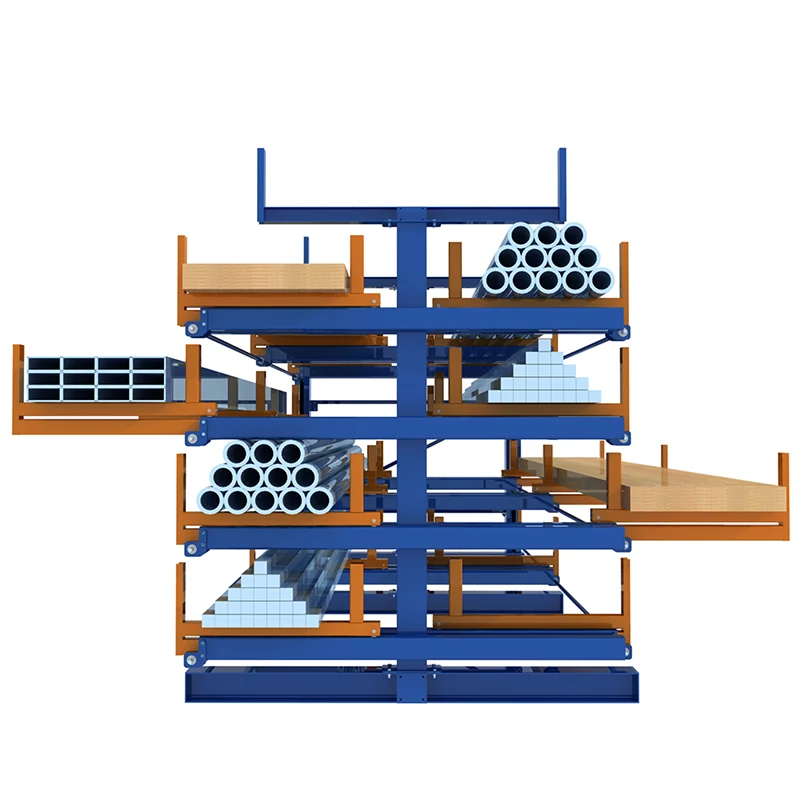
Stop scrapping high-value anodized profiles due to forklift damage. In the aluminum extrusion industry, surface finish is everything. Traditional floor stacking and static cantilever racks force you into a cycle of “double handling” and wide aisles. Our Scaffalatura per lo stoccaggio di estrusi in alluminio system allows you to regain 50% of your floor space and switch to overhead crane handling—eliminating the risk of scratching soft aluminum surfaces.
The Hidden Cost of Storing Aluminum Profiles: Why Static Racks Fail
As an aluminum fabricator or distributor, you are dealing with a material that is long, often flexible, and incredibly sensitive to surface damage. Whether you are storing raw mill finish extrusions, powder-coated architectural profiles, or precision heat sinks, the standard industry practice of using static cantilever racks creates three specific bottlenecks:
- L’effetto “a nido d’ape”: To access a specific bundle of 24ft profiles stored on the bottom level, your forklift driver has to move the three bundles in front of or above it. This “double handling” eats up 15-20 minutes of labor per pick and increases the chance of bending the material.
- Surface Damage (The Scrap Pile): Aluminum is soft. Every time a steel forklift tine slides under a bundle, you risk gouging the material. If you are handling anodized or polished aluminum, a single scratch renders the entire length useless.
- Aisle Width Waste: To maneuver a 20ft long bundle of extrusions with a forklift, you need aisles that are nearly 20ft wide. This is “dead air” in your facility that generates no revenue.
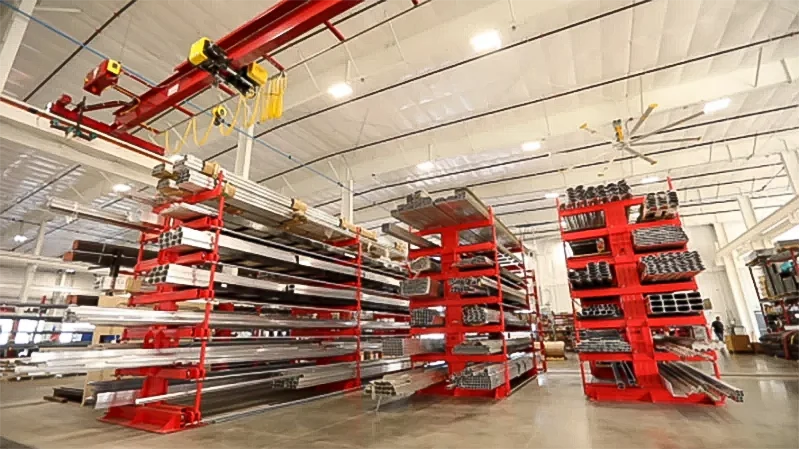
Figure 1: Eliminating forklift aisles by utilizing overhead cranes for safe aluminum bundle handling.
The Solution: 100% Access with the Aluminum Extrusion Storage Rack
The fundamental difference with our system is the Telescopic (Crank-Out) MechanismUnlike static racks where you have to reach in, our racks bring the material out a voi.
Each level of the rack functions as a heavy-duty drawer. An operator can extend a fully loaded arm (holding up to 6,600 lbs of extrusions) 100% clear of the rack structure. This simple mechanical shift changes your entire logistics flow:
Switch from Forklifts to Overhead Cranes
Once the drawer is extended, the aluminum bundles are completely exposed from the top. You can now use an overhead crane with nylon slings or a vacuum lifter to pick up the material. This is the “Holy Grail” for aluminum handling because it eliminates steel-on-aluminum contact. You stop dragging forks across delicate surfaces, instantly reducing your scrap rate from handling damage to near zero.
High-Density Storage for Long Lengths
Because you are loading from above with a crane, you no longer need 15ft+ wide maneuvering aisles for forklifts. You can place rack units closer together, often condensing your storage footprint by 50%. This frees up valuable square footage for more CNC machining centers or packing stations.
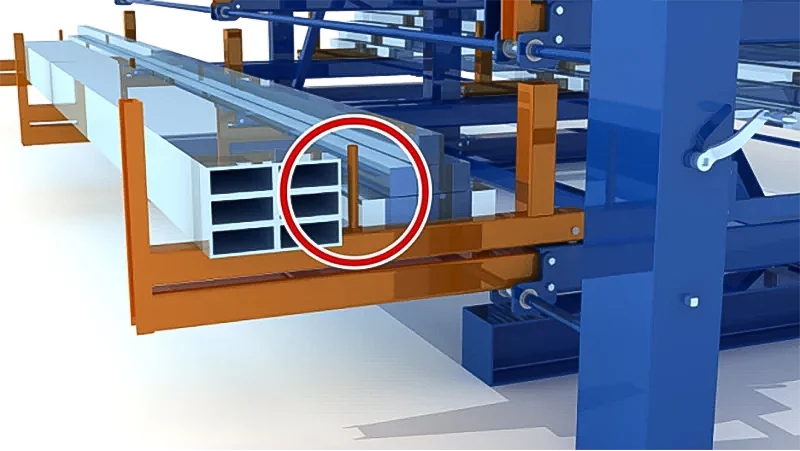
Figure 2: Adjustable dividers allow for organized separation of different extrusion dies and profiles.
Organizing High-Mix Inventory
Aluminum extruders often manage hundreds of different die shapes. As shown in the image above, our Scaffalatura per lo stoccaggio di estrusi in alluminio can be fitted with adjustable divider pins. This allows you to store multiple SKUs (e.g., T-slots, window frames, and round tubes) on a single level without them getting mixed up. You achieve direct selectivity—you find the exact die shape you need, crank out the drawer, and lift it. No digging.
Technical Specifications Built for the Extrusion Industry
We don’t use light-gauge steel. Our racks are engineered to handle the extreme weight density of solid aluminum bars and the awkward lengths of hollow profiles.
| Caratteristica | Specifica / Beneficio |
|---|---|
| Profile Length Capacity | Standard 20ft to 24ft (Customizable up to 40ft for specialized aerospace extrusions). |
| Load Capacity Per Arm | Up to 6,600 lbs (3,000 kg) per level. Ideal for dense solid bar stock. |
| Surface Protection | Opzionale UHMW (Ultra-High Molecular Weight Polyethylene) lining on arms to prevent marring of anodized surfaces. |
| Operation Mode | Disponibile in versione manuale (a manovella) o elettrica (a pulsante) per il prelievo ad alta frequenza. |
| Extension | Estensione totale 100% per un accesso chiaro con il carroponte superiore. |
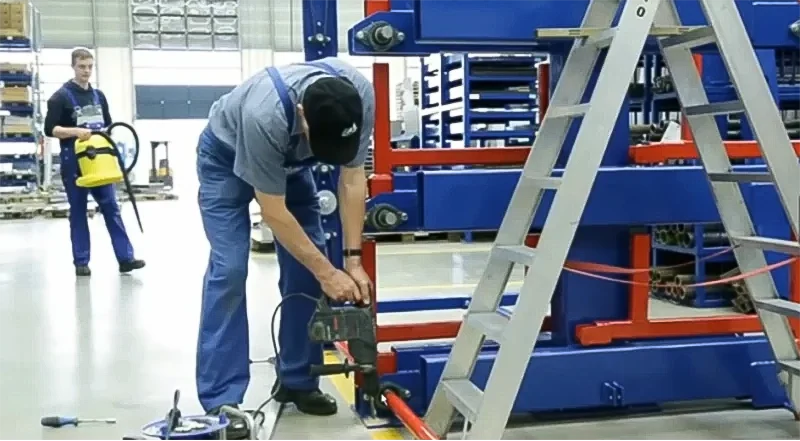
Figura 3: L'ancoraggio pesante garantisce stabilità anche quando i cassetti completamente carichi sono estratti.
Sicurezza e ROI: il risultato finale
Investire in un telescopico Scaffalatura per lo stoccaggio di estrusi in alluminio non significa solo organizzare il magazzino; significa proteggere i margini. Se si riduce il tasso di scarto del materiale anche solo del 2% e si diminuisce il tempo di prelievo del 50%, il sistema si ripaga in genere entro 12-18 mesi. Inoltre, ancorando saldamente il sistema al pavimento (come mostrato in Figura 3), si elimina il rischio di crolli delle cataste, comune con tubi e barre impilati a pavimento.
Domande Frequenti
D1: Possiamo stoccare profili anodizzati o verniciati a polvere senza graffiarli?
Sì. Questo è il principale vantaggio del nostro sistema. Poiché si accede al materiale tramite carroponte con imbracature in nylon (invece delle forche in acciaio del carrello elevatore) e poiché possiamo rivestire i bracci della rastrelliera con strisce in plastica UHMW, il danno da contatto è praticamente eliminato.
D2: Gestiamo lunghezze standard di 24 piedi (7,3 m). La rastrelliera supporterà questo peso senza piegarsi?
Assolutamente. Configuriamo il numero di colonne verticali in base alla lunghezza e alla flessibilità dei profili in alluminio. Per lunghezze di 24 piedi, utilizziamo tipicamente 4-5 supporti a braccio per distribuire il peso in modo uniforme e prevenire l'incurvamento o la deformazione permanente dell'alluminio.
D3: Quanto spazio posso effettivamente risparmiare?
La maggior parte dei produttori di alluminio vede una riduzione del 40%-60% nell'uso dello spazio a pavimento. Eliminando la necessità di corsie per carrelli elevatori da 15 piedi e sfruttando l'altezza verticale (fino a 5 o 6 livelli), si compatta notevolmente l'impronta di stoccaggio.
D4: La manovella manuale è difficile da azionare con un carico pieno di barre piene?
No. Il sistema utilizza un rapporto di trasmissione a ingranaggi. Anche con un carico pieno di 6.000 libbre, un singolo operatore può estrarre il cassetto con circa 30 libbre di forza. È progettato per essere ergonomico e sicuro.
D5: Questo sistema può gestire gli scarti/pezzi corti rimasti dalla nostra sega da taglio?
Sì. Possiamo installare piani in acciaio o griglie metalliche su specifici livelli di scaffalatura per creare una superficie solida. Questo consente di stoccare "spezzoni" o ritagli corti da 0,6 m a 1,5 m di lunghezza, mantenendo l'area della sega pulita e organizzata.
Serve una Soluzione di Stoccaggio Personalizzata?
Parli direttamente con i nostri ingegneri tecnici. Offriamo progetti strutturali gratuiti, valutazioni di cataloghi per carichi pesanti e preventivi B2B rapidi.
Richiedi un Preventivo Ora →