
Container in rete metallica con rivestimento in PP per minuteria e ferramenta alla rinfusa
Contenitore in rete metallica stbox per elementi di fissaggio e piccola ferramenta: verificare la maglia da 50 × 50 mm, specificare spessore e copertura del rivestimento in PP, e aggiungere un coperchio superiore opzionale quando il controllo delle fuoriuscite è importante.
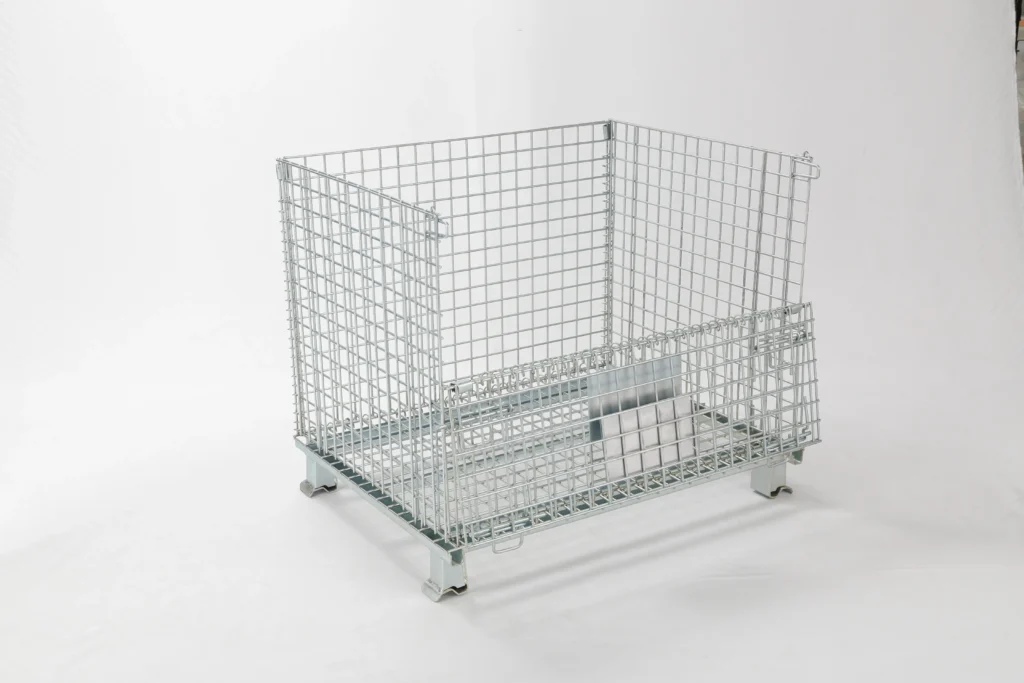
Smetti di perdere minuteria attraverso le mesh openings
La minuteria è facile da contare, fino a quando non viene rovesciata da una scatola piccola dentro un container in rete metallica.
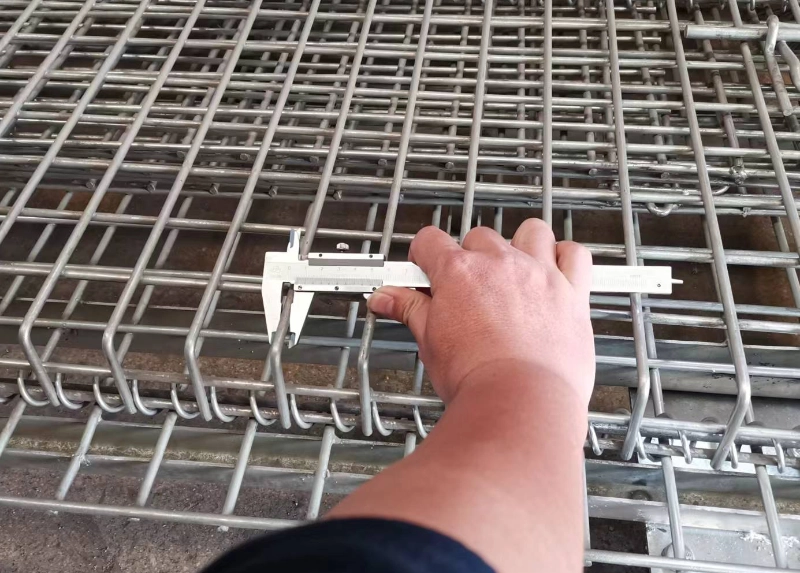
Stbox è un container pieghevole in rete metallica per lo stoccaggio di parti industriali e la movimentazione ripetuta in magazzino. La maglia comunemente documentata di 50 × 50 mm favorisce la visibilità e la ventilazione, ma non è un contenimento a tenuta. Per viti, dadi, clip e altra minuteria, confronta il pezzo più piccolo con l'apertura utile prima di approvare il cage di base.
- Prima la rete: misura il pezzo più piccolo, tenendo conto dell'orientamento e della possibilità che rotoli o passi in diagonale.
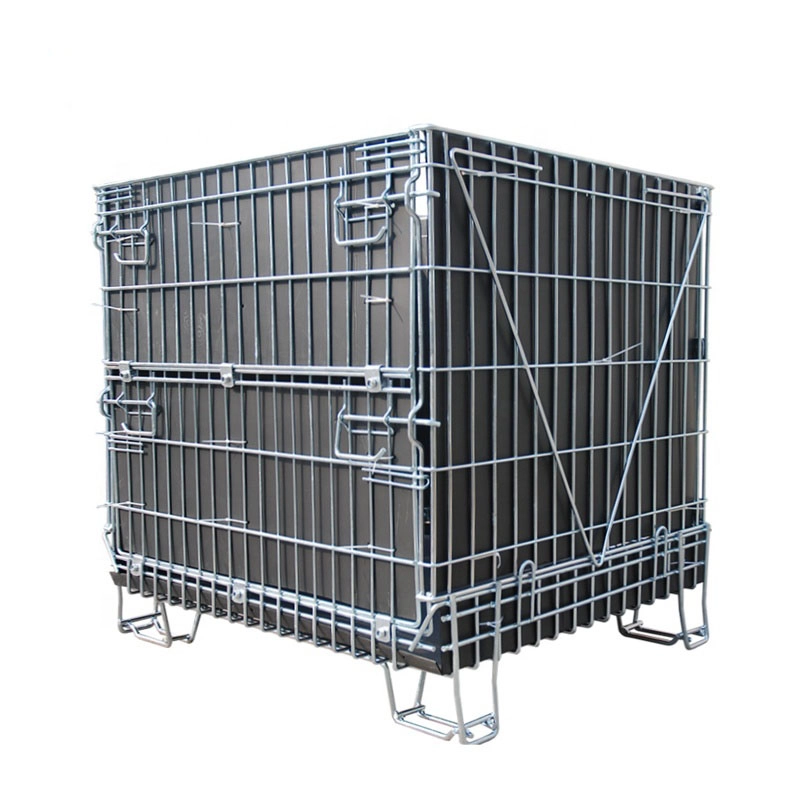
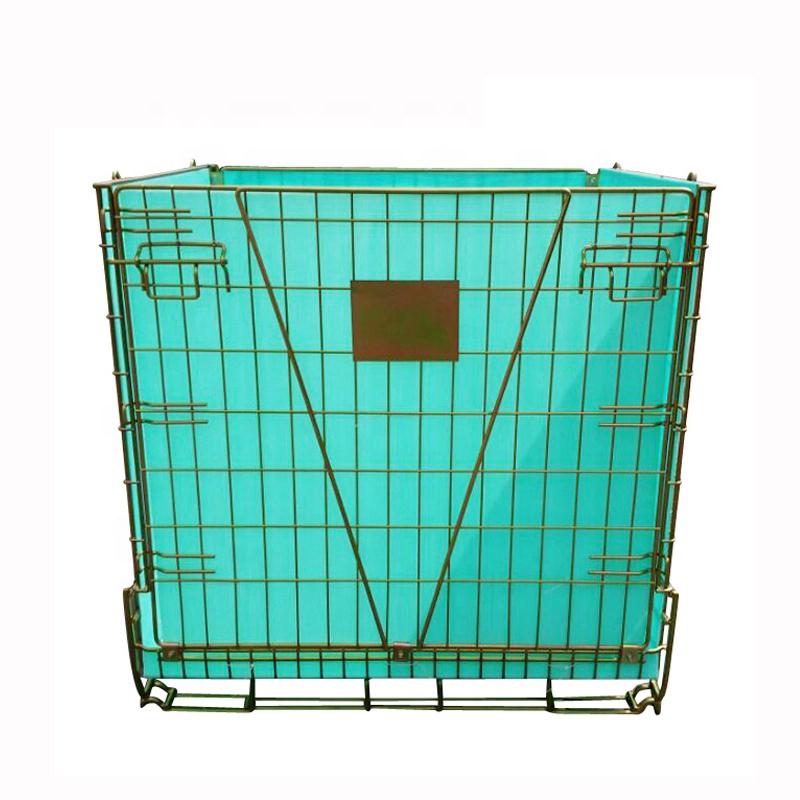
- Rivestimento in PP quando serve: il pannello alveolare in PP nero o verde chiaro è proposto come opzione per ridurre lo sfregamento e impedire ai pezzi di cadere attraverso la rete.
- Coperchio superiore quando serve: un coperchio in rete incernierato e bloccabile è un'opzione per i pezzi che possono rimbalzare, fuoriuscire o che richiedono un'apertura più controllata.
- Confirm before production: spessore del rivestimento, numero di lati rivestiti, metodo di fissaggio e resistenza alla temperatura sono specifici del progetto e devono essere quotati.
Choose containment based on part behavior
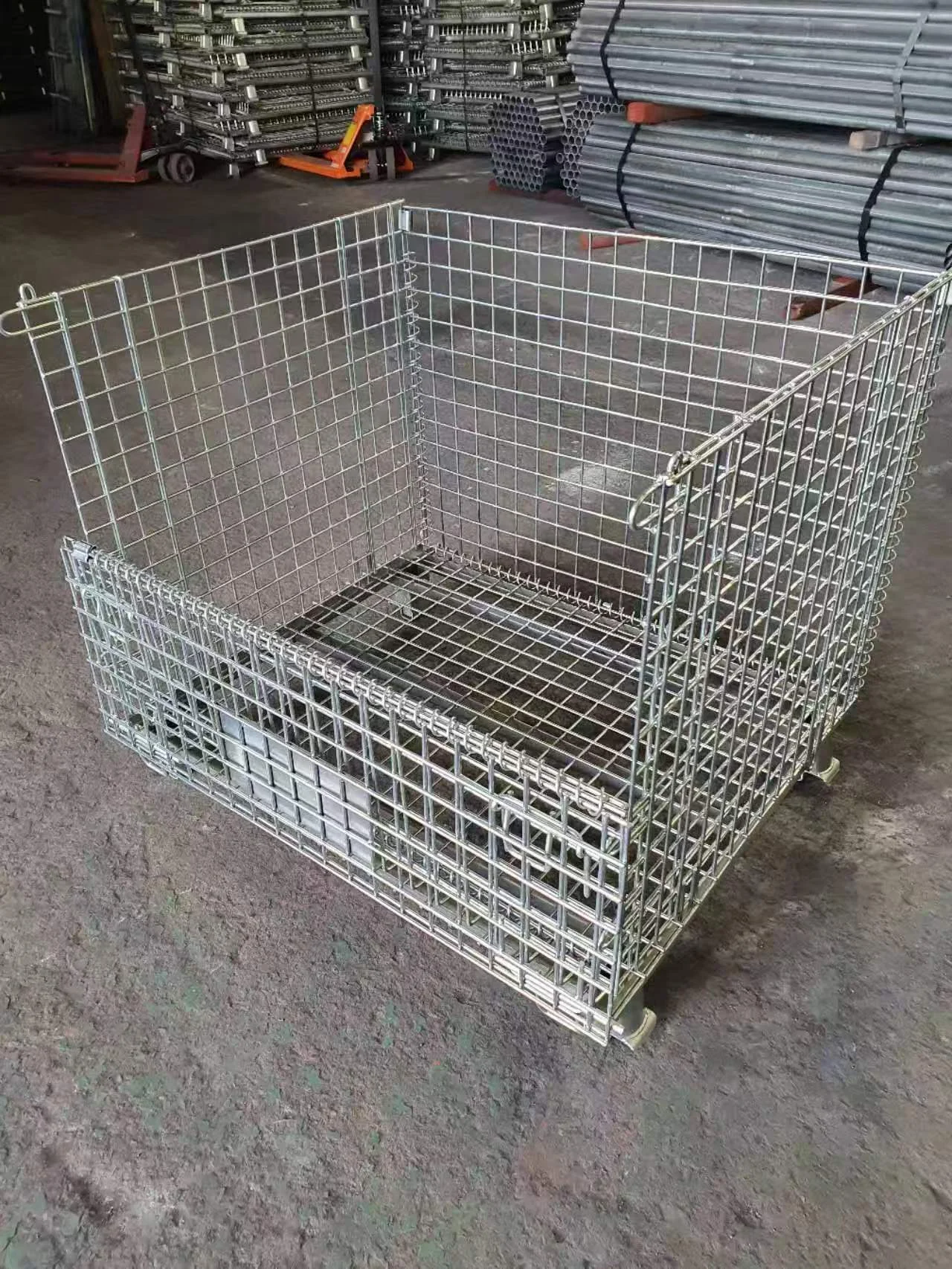 ACCESS
Gabbia di base con anta a ghigliottina
Utilizza la rete visibile da 50 × 50 mm quando la minuteria più piccola viene trattenuta in modo sicuro e la visibilità è importante. L'anta frontale abbassata aiuta gli operatori a raggiungere i pezzi senza dover scaricare l'intero container.
PROTEZIONEPP liner for small hardware
Un rivestimento in pannello alveolare PP nero o verde chiaro può creare una barriera fisica tra i pezzi e la rete in acciaio. Lo spessore richiesto, le facce rivestite e il metodo di fissaggio non sono dati standard: vanno definiti insieme al pezzo e al percorso di movimentazione.
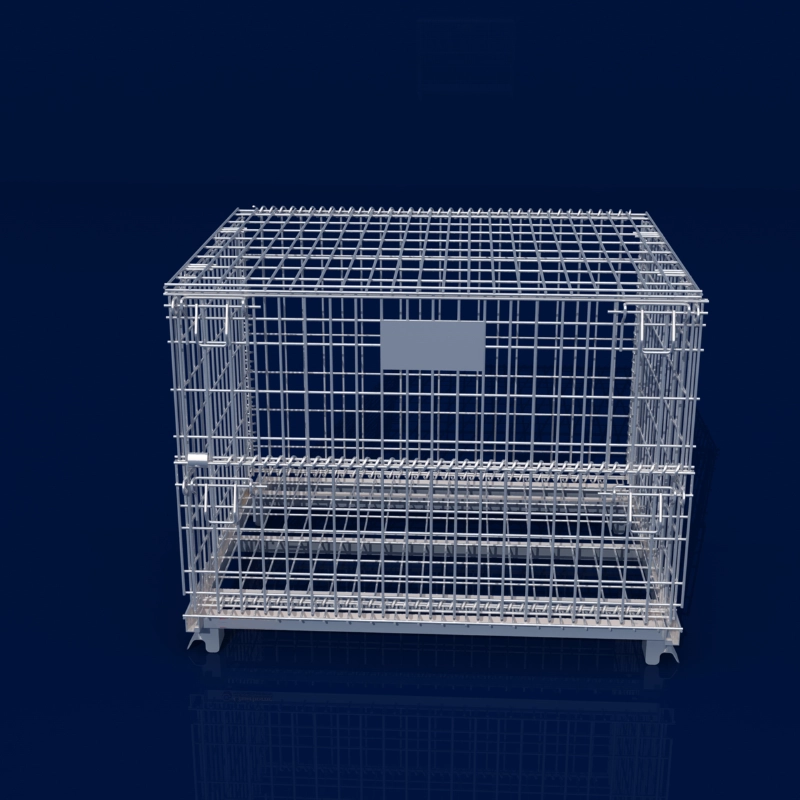 TOP CONTROL
Top lid for spill control
Un coperchio in rete incernierato e bloccabile è una variante opzionale. Valutalo quando i pezzi possono rimbalzare fuori durante la movimentazione, quando il container è posizionato in un corridoio trafficato, o quando è necessario controllare gli accessi.
Un percorso pratico da pezzi sfusi a gestione controllata
Mantenere onesta la scelta della rete
50 × 50 mm è un'opzione di maglia documentata, non una risposta universale per ogni elemento di fissaggio. Dimensione, forma e orientamento determinano se un pezzo può cadere o impigliarsi nel filo.
Ridurre il contatto metallo-pezzo
Il rivestimento in pannello alveolare PP è indicato per la protezione di componenti di precisione. Confermare quanta parte dell'interno deve essere coperta e come il rivestimento resterà in posizione durante il carico e lo svuotamento.
Adattare l'accesso al lavoro di conteggio
Lo sportello a metà altezza supporta l'accesso manuale alla merce stoccata. Può essere adatto a team che attualmente contano ribaltando piccole scatole, purché la configurazione di contenimento sia concordata preventivamente.
Keep handling in the design
Stbox è progettata attorno alla movimentazione industriale ripetuta, con utilizzo di carrello elevatore e transpallet documentato nel materiale del prodotto. Le aperture finali per le forche, il baricentro del carico, la capacità e le regole di impilaggio richiedono una conferma di progetto.
Four checks before ordering
Misurare il pezzo più piccolo
Inviate lunghezza, larghezza, altezza, forma e una foto o un campione. Indicate se può rotolare, ruotare o cadere diagonalmente attraverso l'apertura.
Scegliere la barriera
Confrontate la maglia base da 50 × 50 mm con un rivestimento in PP o un'alternativa a maglia più fine. Indicate se la priorità è anti-caduta, anti-sfregamento, riduzione della polvere o conteggio più rapido.
Definire il fissaggio
Confirm coating thickness, covered faces, edge treatment and fixing method. PP material and temperature resistance are quotation checks, not assumed specifications.
Review the handling path
Confirm the need for the top lid, the fork or pallet truck interface, the full-load weight, the stacking plan and the environment before final drawing and capacity verification.
Questions to clarify before tipping a box
Will my smallest fastener fall through the 50 × 50 mm mesh?
It could, depending on the actual size, shape and orientation of the part. Do not judge by nominal length alone: a narrow or rotating part can pass differently than a block-shaped part. Send the smallest part dimension for a containment check. If the base mesh is not suitable, compare a PP liner or a finer mesh specification.
What PP liner thickness is available?
Product evidence shows black and light green PP honeycomb panel liners, but does not confirm a standard thickness. Thickness must be selected based on part weight, impact, abrasion and how the box is emptied. It is a project confirmation item.
Quanti lati deve coprire il rivestimento?
It depends on the failure you are preventing. A bottom-only barrier solves loss from below; side coverage may be needed for small parts near the walls; a wider cover can reduce contact with the mesh. Covered faces must be defined on the quotation drawing. Do not treat the illustrated liner as a universal five-sided standard.
Come viene fissato il rivestimento?
The fixing method is not confirmed in the current product sheet. Ask us to specify the anchoring approach, edge clearance, and whether the liner must be removable for cleaning or foldable. The fixing must not interfere with the drop door, stacking feet, or fork access.
Do I need a top cover to prevent parts from spilling out?
Consider an optional top lid when parts can bounce during forklift or pallet jack handling, when the cage is filled near the top, or when it sits in a high-traffic area. A lid helps with containment control, but a mesh cage with a lid is not automatically dust-proof, tamper-proof, or a certified security container.
Il rivestimento può essere utilizzato a qualsiasi temperatura?
No universal temperature range is confirmed. PP grade and honeycomb panel construction must be verified against your operating temperature, cleaning process, chemicals, and exposure time before approval.