
Drahtgitter-Container mit PP-Inlay für Schüttgut-Befestigungselemente und Kleinteile
Stbox Drahtgitter-Container für Befestigungselemente und Kleinteile: Prüfen Sie die 50 × 50 mm Masche, spezifizieren Sie PP-Inlay-Dicke und -Abdeckung und fügen Sie einen optionalen Deckel hinzu, wenn Verschüttungskontrolle wichtig ist.
Schluss mit verlorenen Befestigungselementen durch Maschenöffnungen
Befestigungselemente lassen sich leicht zählen – bis sie aus einer kleinen Box in einen Drahtgitter-Container gekippt werden.
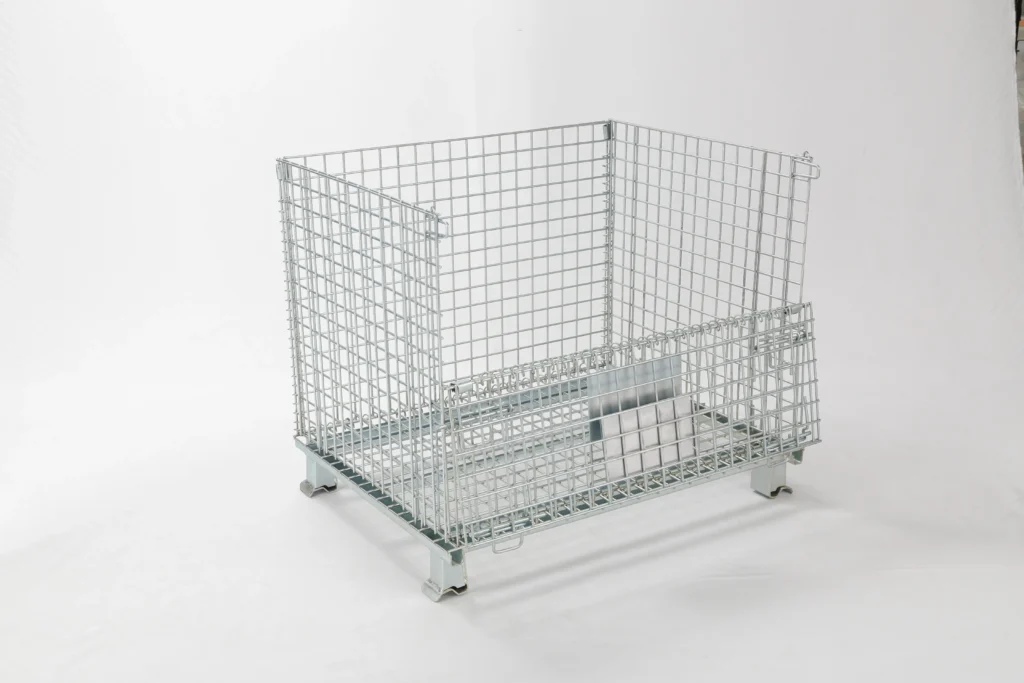
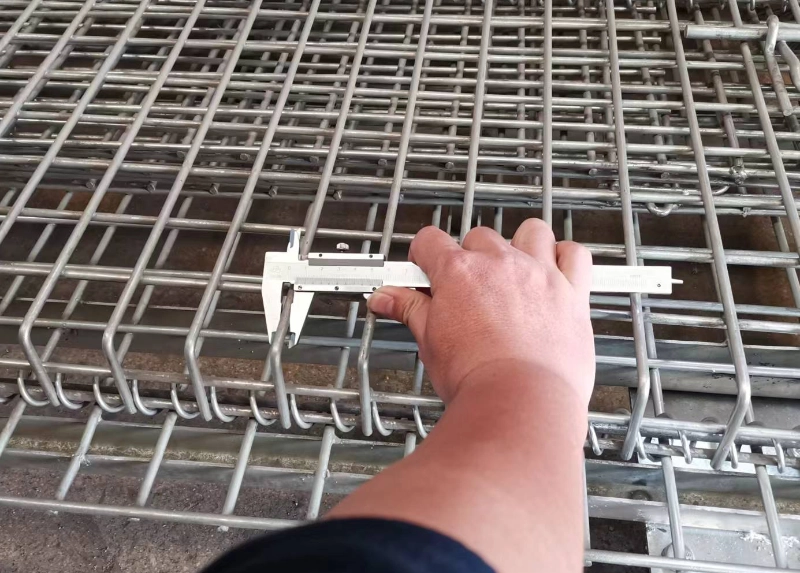
Der Stbox ist ein klappbarer Drahtgitter-Container für die industrielle Teileaufbewahrung und wiederholte Lagerhandhabung. Die üblicherweise dokumentierte Maschenweite von 50 × 50 mm unterstützt Sichtbarkeit und Belüftung, ist jedoch kein leckdichtes Gehäuse. Vergleichen Sie bei Schrauben, Muttern, Clips und anderen Kleinteilen das kleinste Teil mit der lichten Öffnung, bevor Sie den Basiskäfig freigeben.
- Masche zuerst: Messen Sie das kleinste Teil, einschließlich seiner Ausrichtung und seiner Fähigkeit, zu rollen oder diagonal hindurchzurutschen.
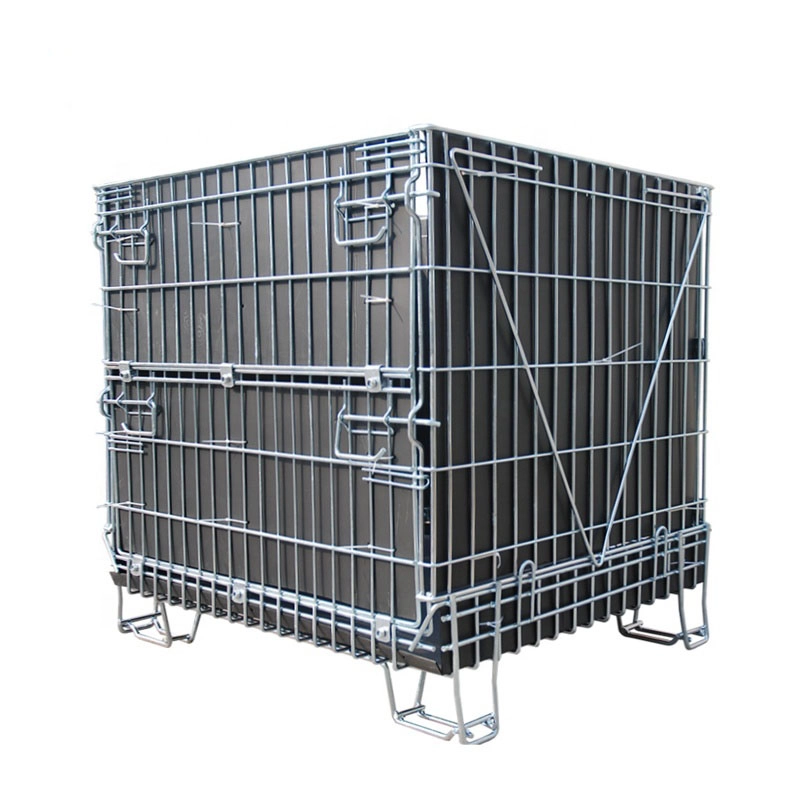
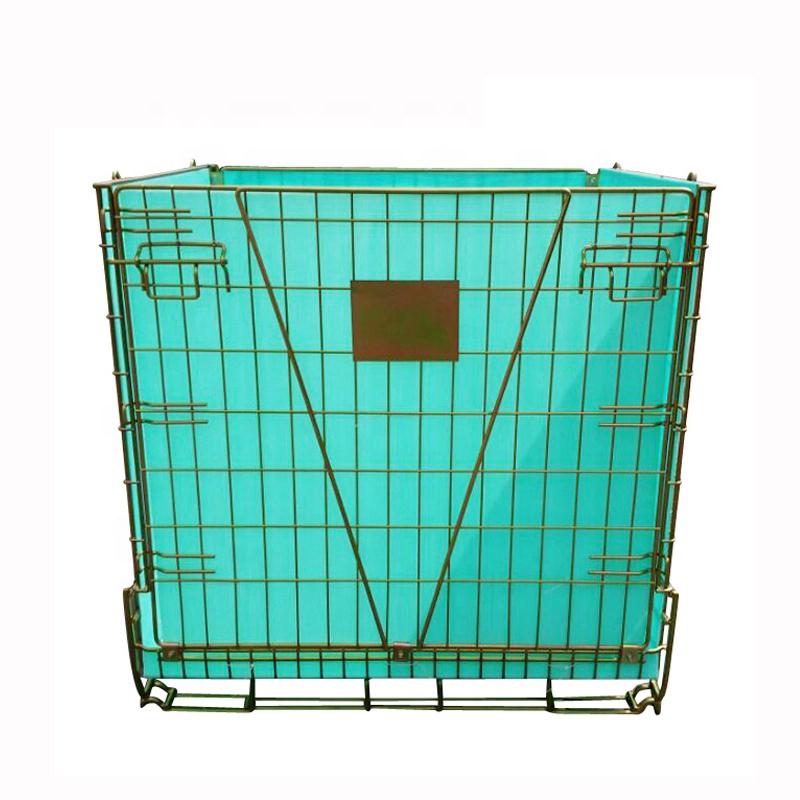
- PP-Inlay bei Bedarf: schwarze oder hellgrüne Wellkunststoff-Platten aus PP werden als Option zur Reduzierung von Durchrieb und zur Vermeidung des Durchfallens von Teilen durch die Maschen gezeigt.
- Abdeckung oben bei Bedarf: Ein klappbarer, abschließbarer Maschendeckel ist eine Option für Teile, die herausspringen, verschüttet werden oder eine kontrolliertere Öffnung erfordern.
- Vor der Produktion bestätigen: Inlay-Dicke, Anzahl der abgedeckten Seiten, Befestigungsmethode und Temperaturbeständigkeit sind projektspezifisch und müssen angefragt werden.
Wählen Sie die Aufnahme nach dem Teileverhalten
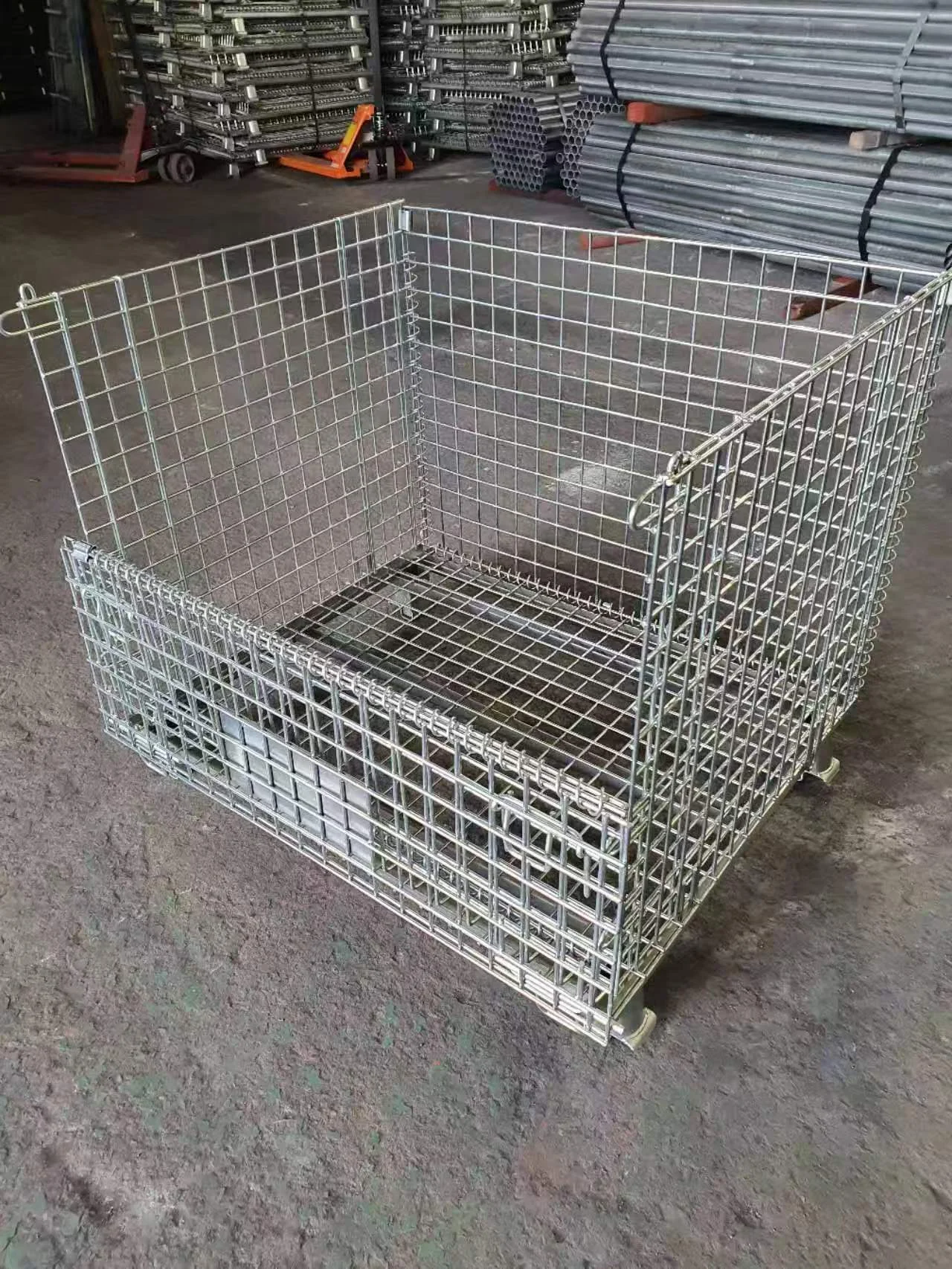 ZUGANG
Basiskäfig mit Klappe
Verwenden Sie die sichtbare 50 × 50 mm Masche, wenn die kleinsten Teile sicher zurückgehalten werden und Sichtbarkeit wichtig ist. Die abgesenkte Frontklappe hilft Bedienern, Teile zu entnehmen, ohne den gesamten Container zu entladen.
SCHUTZPP-Inlay für Kleinteile
Ein schwarzes oder hellgrünes PP-Hohlkammerplatten-Inlay kann eine physische Barriere zwischen den Teilen und dem Stahlgitter schaffen. Die erforderliche Dicke, die abgedeckten Flächen und die Befestigungsmethode sind keine Standardangaben – definieren Sie diese gemeinsam mit dem Teil und dem Handhabungsprozess.
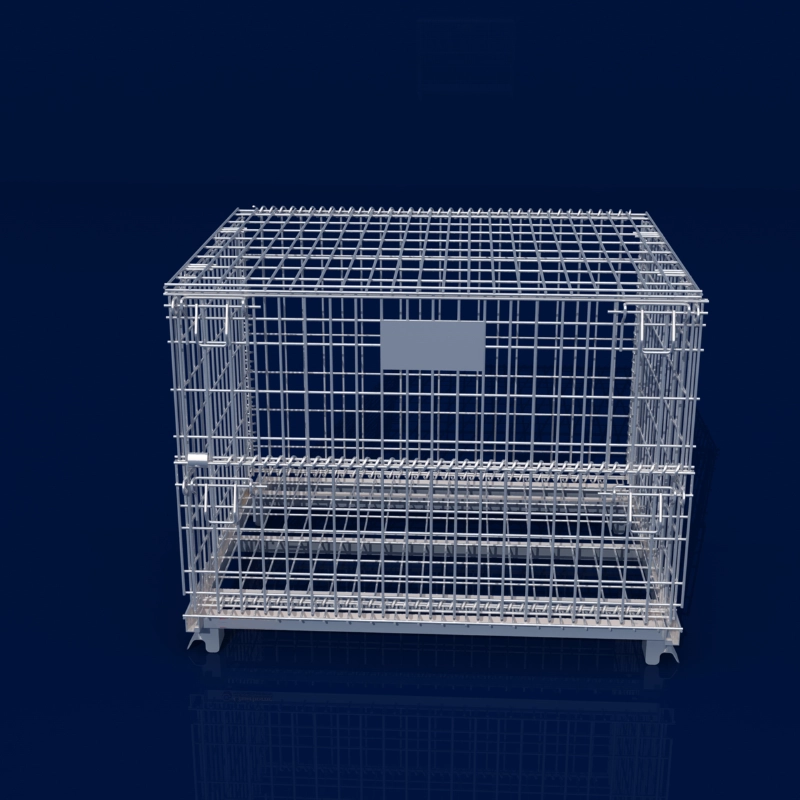 DECKELSTEUERUNG
Deckel für Auslaufschutz
Ein klappbarer Maschendeckel und ein abschließbarer Deckel sind optionale Varianten. Erwägen Sie diese, wenn Teile bei der Handhabung herausspringen können, wenn der Container in einem belebten Gang bereitgestellt wird oder wenn der Zugang kontrolliert werden muss.
A practical path from loose parts to controlled handling
Keep the mesh decision honest
50 × 50 mm is a documented mesh option, not a universal solution for every fastener. Size, shape and orientation determine whether a part can fall through or remain caught on the wire.
Reduce metal-to-part contact
PP hollow-core panel inlay is shown to protect precision parts. Confirm how much of the interior needs to be covered and how the inlay stays in place during loading and unloading.
Adapt access to counting tasks
The half-flap supports manual access to stored goods. It may be suitable for teams currently counting by tilting small boxes, provided the receiving configuration is coordinated in advance.
Consider handling in the design
Stbox is designed for recurring industrial handling with forklift and pallet truck use, as documented in the product documents. Final fork openings, load center, capacity and stacking rules require project confirmation.
Four checks before your order
Measure the smallest part
Send length, width, height, shape and a photo or sample. State whether it can roll, rotate or fall diagonally through the opening.
Choose the barrier
Compare the base mesh 50 × 50 mm with a PP inlay or a finer mesh alternative. State whether the focus is spill protection, abrasion protection, dust reduction or faster counting.
Define the attachment
Confirm inlay thickness, covered areas, edge treatment and fastening method. PP material and temperature resistance are quote checks, not assumed specifications.
Review the handling path
Confirm the need for a top lid, forklift or pallet truck access, fill weight, stacking plan and environment before the final drawing and capacity review.
Questions to clarify before tipping a box
Will my smallest fastener fall through the 50 × 50 mm mesh?
Possibly, depending on the actual dimensions, shape and orientation of the part. Do not judge only by the nominal length: a narrow or rotating part may pass through differently than a block-shaped part. Send the size of the smallest part for an acceptance check. If the base mesh is not suitable, compare a PP inlay or a finer mesh specification.
Which PP inlay thickness is available?
The product records show black and light green PP hollow-core board inlays, but do not confirm a standard thickness. The thickness must be selected based on part weight, impact load, abrasion and the type of box emptying. This is a project-specific confirmation point.
How many sides should the inlay cover?
That depends on the defect to be prevented. A pure bottom barrier addresses bottom loss; side coverage may be required for small parts near the wall; a broader cover can reduce contact with the mesh. The covered areas must be defined in the quotation drawing. Do not regard the inlay shown as a universal five-side standard.
How is the inlay secured?
The fastening method is not confirmed in the current product data sheet. Ask us to specify the attachment method, the edge distance and whether the inlay must be removable for cleaning or folding. The fastening must not affect the flap, the stacking feet or forklift access.
Do I need a top lid to prevent parts from falling out?
Consider an optional top lid if parts can jump out during forklift or pallet jack movement, if the container is filled almost to the top, or if it is located in a high-traffic area. A lid supports retention control, but a mesh container with a lid is not automatically dust-tight, theft-proof or a certified security enclosure.
Can the inlay be used at any temperature?
Es ist kein universeller Temperaturbereich bestätigt. PP-Güte und Hohlkammerplattenkonstruktion müssen vor der Freigabe anhand Ihrer Betriebstemperatur, Ihres Reinigungsprozesses, Ihrer Chemikalien und Ihrer Expositionsdauer geprüft werden.