
Contentor de Malha Metálica com Revestimento PP para Fixações a Granel e Pequena Ferramentaria
Stbox contentor de rede metálica para fixadores e pequenos ferragens: verificar malha de 50 × 50 mm, especificar espessura e cobertura do revestimento de PP, e adicionar tampa superior opcional quando o controle de derramamento for importante.
Pare de perder fixações entre as mesh openings
Fixações são fáceis de contar—até serem despejadas de uma caixa pequena para um contentor de malha metálica.
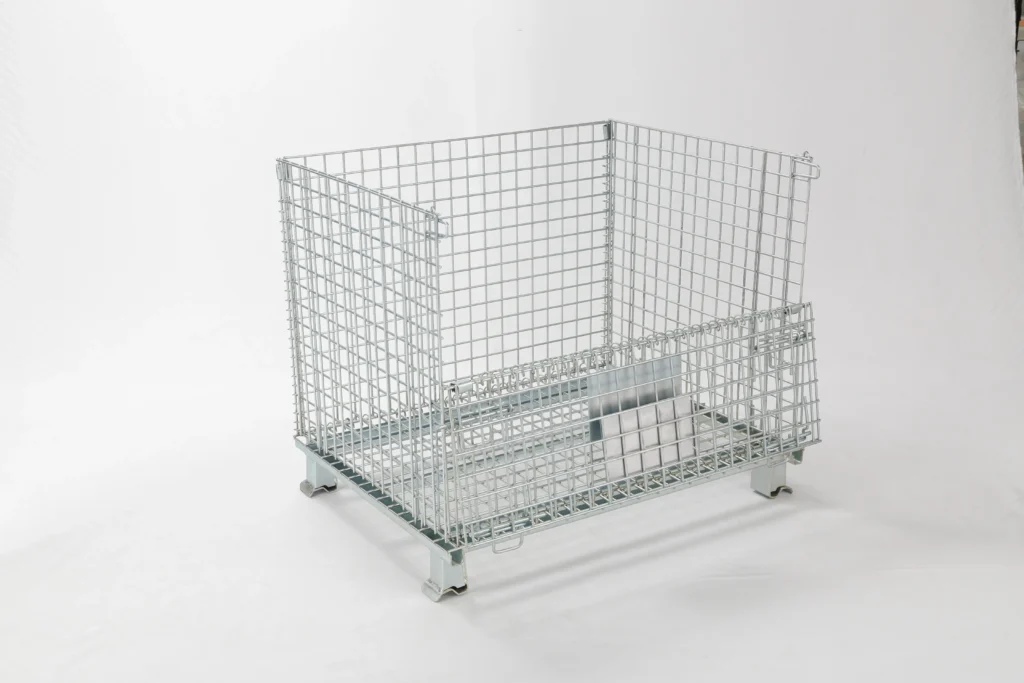
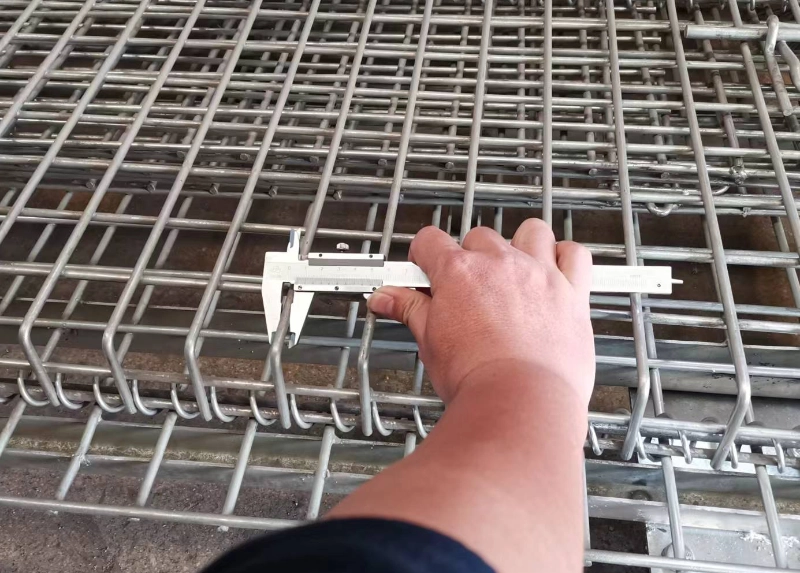
O Stbox é um contentor de malha metálica rebatível para armazenamento de peças industriais e movimentação repetida em armazém. A sua malha de 50 × 50 mm, comummente documentada, favorece a visibilidade e a ventilação, mas não é um invólucro estanque. Para parafusos, porcas, clips e outra pequena ferramentaria, compare a peça mais pequena com a abertura livre antes de aprovar a gaiola base.
- Mesh first: meça a peça mais pequena, incluindo a sua orientação e capacidade de rolar ou passar na diagonal.
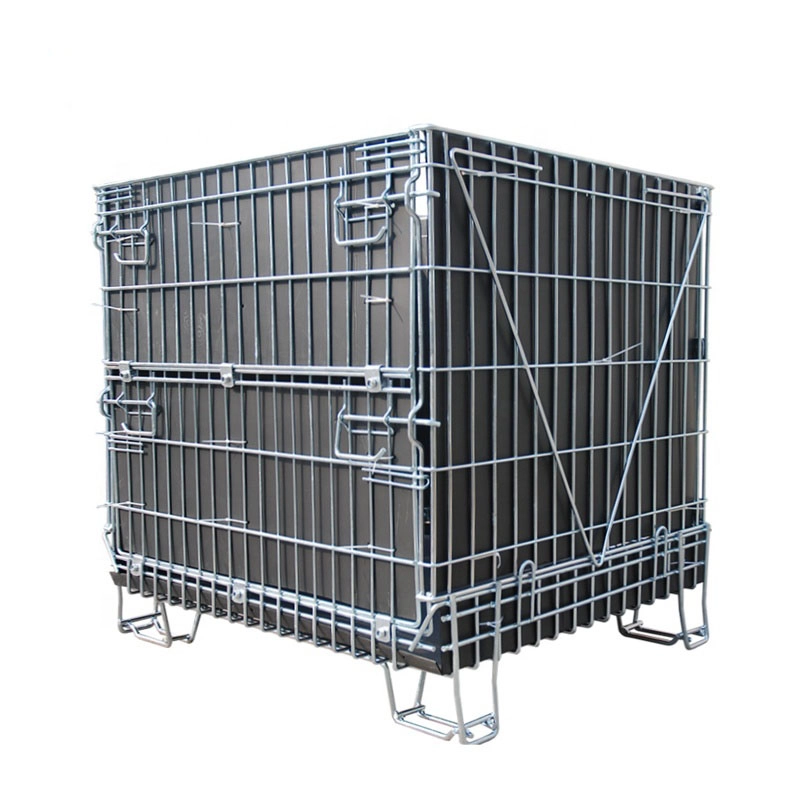
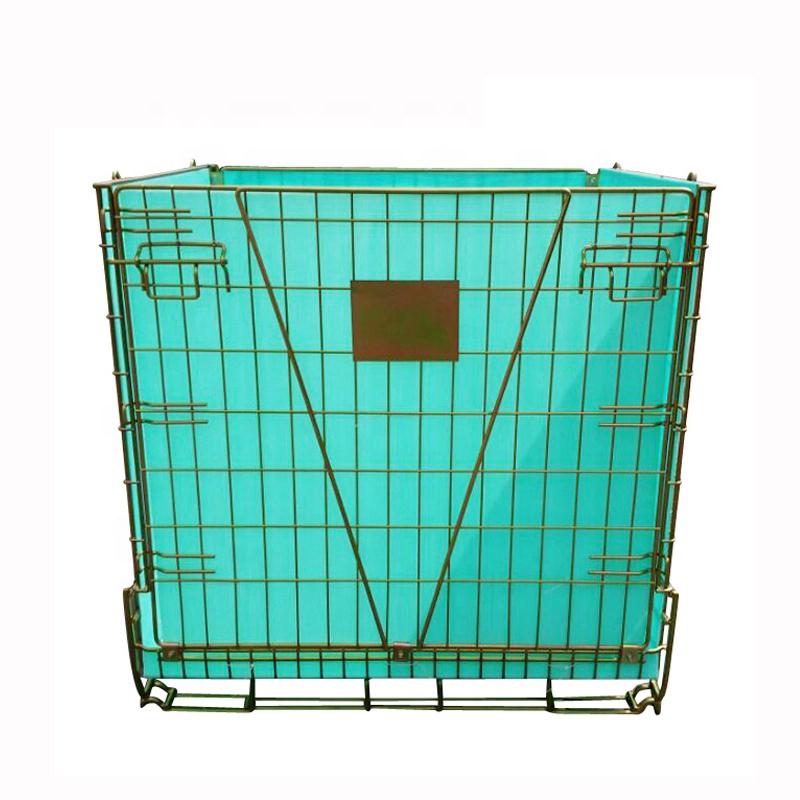
- Revestimento PP quando necessário: placa de PP corrugado preto ou verde-claro é apresentada como opção para reduzir a fricção e impedir que as peças caiam pela malha.
- Top lid when needed: uma tampa em malha articulada e bloqueável é uma opção para peças que possam saltar, derramar ou que exijam uma abertura mais controlada.
- Confirm before production: espessura do revestimento, número de faces cobertas, método de fixação e resistência térmica são específicos do projeto e devem ser orçamentados.
Choose containment based on part behavior
 ACCESS
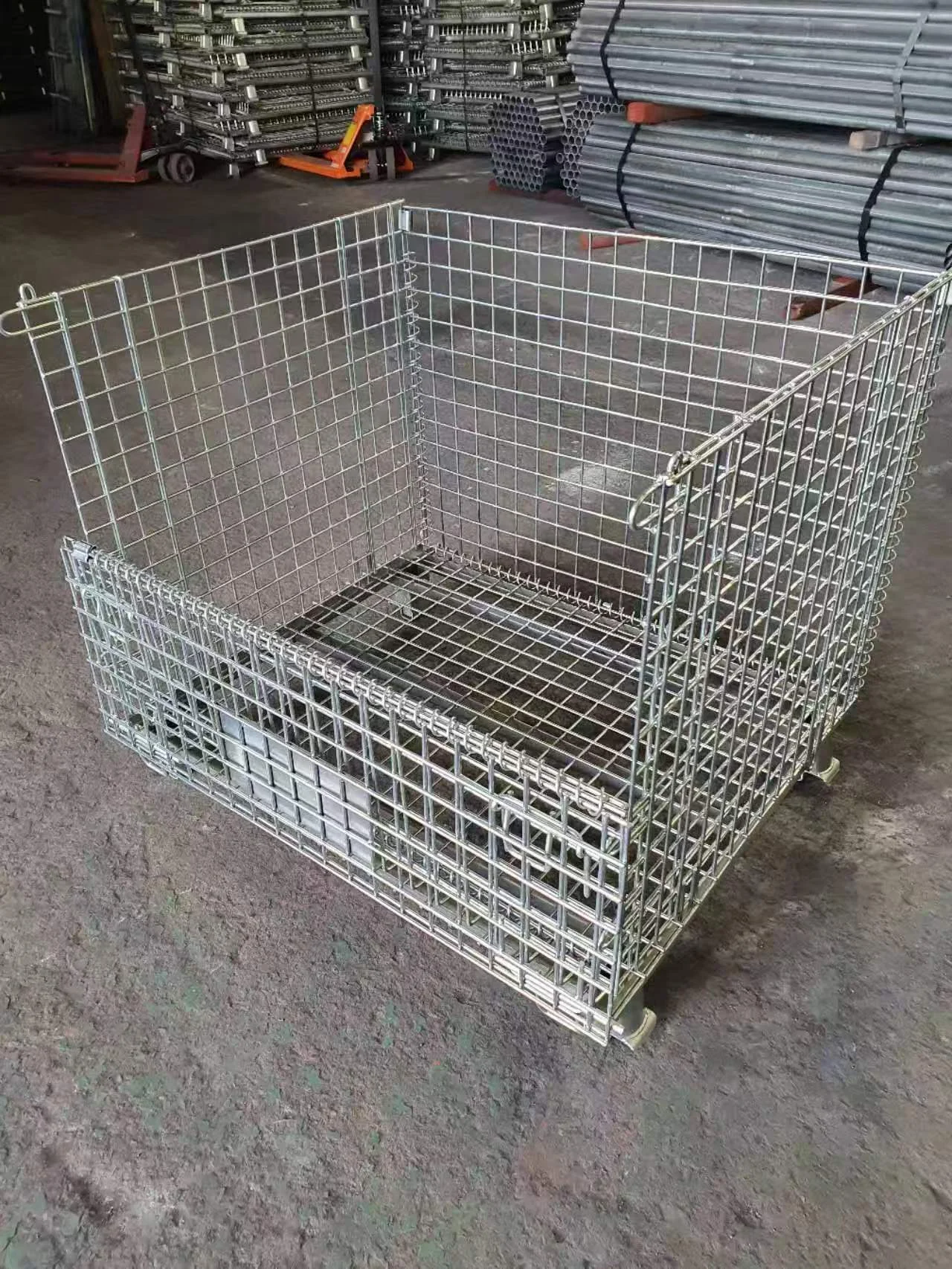
Gaiola base com portinhola
Use a malha visível de 50 × 50 mm quando a ferramentaria mais pequena ficar retida em segurança e a visibilidade for importante. A portinhola frontal descida ajuda os operadores a alcançar as peças sem descarregar todo o contentor.
PROTEÇÃORevestimento PP para pequena ferramentaria
Um revestimento em placa oca de PP preto ou verde-claro pode criar uma barreira física entre as peças e a malha de aço. A espessura necessária, faces cobertas e método de fixação não são dados padrão—defina-os com a peça e a rota de movimentação.
 CONTROLO SUPERIOR
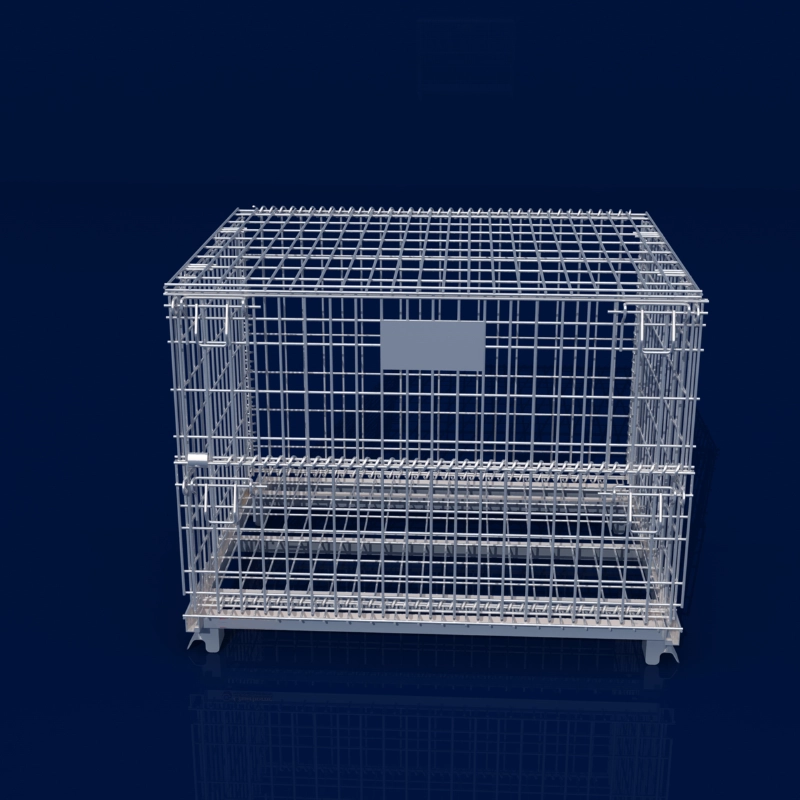
Tampa superior para controlo de derrames
Uma tampa em malha articulada e cobertura bloqueável são variantes opcionais. Considere-as quando as peças podem saltar durante a movimentação, quando o contentor é posicionado num corredor movimentado, ou quando o acesso precisa de ser controlado.
Uma rota prática de peças soltas para manuseamento controlado
Keep the mesh decision honest
50 × 50 mm é uma opção de malha documentada, não uma resposta universal para cada fixação. O tamanho, a forma e a orientação determinam se uma peça pode cair ou ficar presa no arame.
Reduzir o contacto metal-com-peça
O revestimento em placa oca PP é indicado para proteção de componentes de precisão. Confirme qual a extensão do interior que deve ser coberta e como o revestimento permanecerá no lugar durante o carregamento e o esvaziamento.
Adapt access to counting work
A porta de meia-queda facilita o acesso manual às mercadorias armazenadas. Pode servir equipas que atualmente contam inclinando pequenas caixas, desde que a configuração de contenção seja acordada previamente.
Keep handling in the design
A Stbox é concebida em torno do manuseamento industrial repetitivo, com utilização de empilhador e porta-paletes documentada no material do produto. As aberturas finais para garfos, centro de carga, capacidade e regras de empilhamento requerem confirmação do projeto.
Four checks before ordering
Measure the smallest part
Envie o comprimento, largura, altura, forma e uma fotografia ou amostra. Indique se pode rolar, rodar ou cair na diagonal através da abertura.
Choose the barrier
Compare a malha base 50 × 50 mm com um revestimento PP ou uma alternativa de malha mais fina. Indique se a prioridade é anti-queda, anti-atrito, redução de poeira ou contagem mais rápida.
Define the attachment
Confirme a espessura do revestimento, faces cobertas, tratamento das arestas e método de fixação. O material PP e a resistência à temperatura são verificações de orçamento, não especificações assumidas.
Review the handling route
Confirm the need for a top lid, fork or pallet truck interface, loaded weight, stacking plan and environment before final drawing and capacity review.
Questions to resolve before tilting a box
Will my smallest fastener fall through the 50 × 50 mm mesh?
It may fall through, depending on the actual dimensions, shape and orientation of the part. Do not assess by nominal length alone: a narrow or rotating part may pass differently from a block-shaped part. Send the smallest part size for a containment review. If the base mesh is not suitable, compare a PP liner or a finer mesh specification.
What thickness is available for the PP liner?
Product evidence shows black and light green PP hollow board liners, but does not confirm a standard thickness. The thickness should be selected based on weight, impact, part abrasion and how the box is emptied. It is a project confirmation item.
How many sides should the liner cover?
It depends on the failure you want to prevent. A bottom-only barrier addresses bottom losses; side coverage may be needed for small parts near the walls; wider coverage may reduce contact with the mesh. The covered faces should be defined in the budget drawing. Do not treat the illustrated liner as a universal five-sided standard.
How is the liner fixed?
The fixing method is not confirmed in the current product record. Ask us to specify the fixing approach, edge clearance and whether the liner should be removable for cleaning or folding. The fixing must not interfere with the drop door, stacking feet or fork access.
Do I need a top lid to prevent parts from escaping?
Consider an optional top lid when parts can bounce during forklift or pallet-jack movement, when the box is filled close to the top, or when it is in a high-traffic area. A lid helps with containment control, but a mesh box with a lid is not automatically dust-proof, theft-proof, or a certified security compartment.
Can the liner be used at any temperature?
No universal temperature range is confirmed. The PP grade and hollow-board construction must be verified against your operating temperature, cleaning process, chemicals, and exposure time before approval.