
Wire Mesh Container with PP Liner for Bulk Fasteners and Small Hardware
Stbox wire mesh container for fasteners and small hardware: check 50 × 50 mm mesh, specify PP liner thickness and coverage, and add an optional top lid when spill control matters.
Stop losing fasteners between mesh openings
Fasteners are easy to count—until they are tipped from one small box into a wire container.
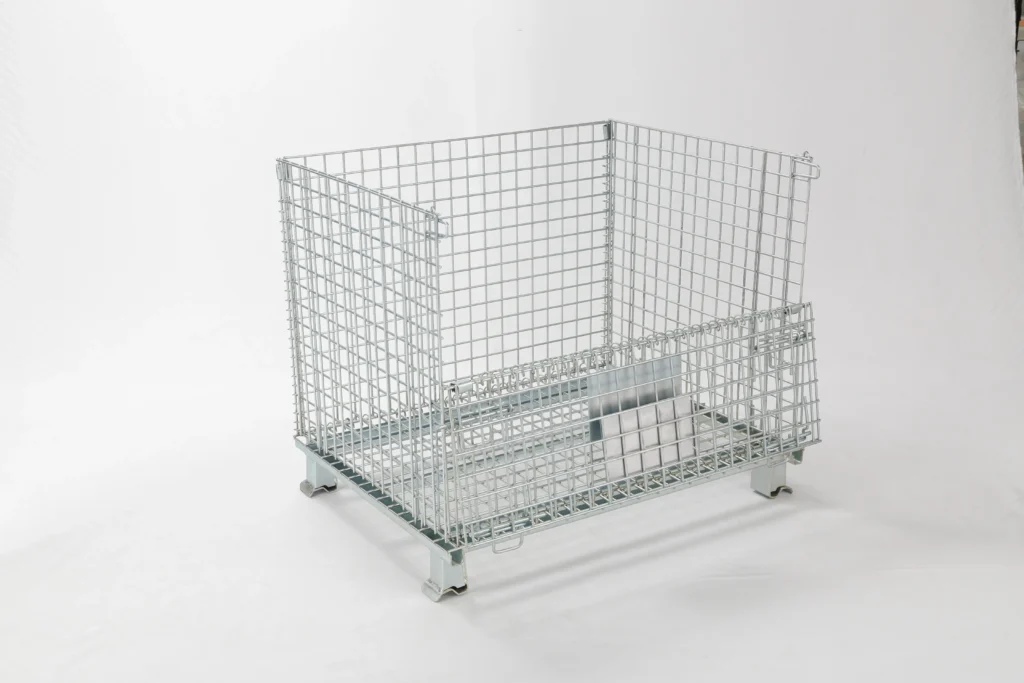
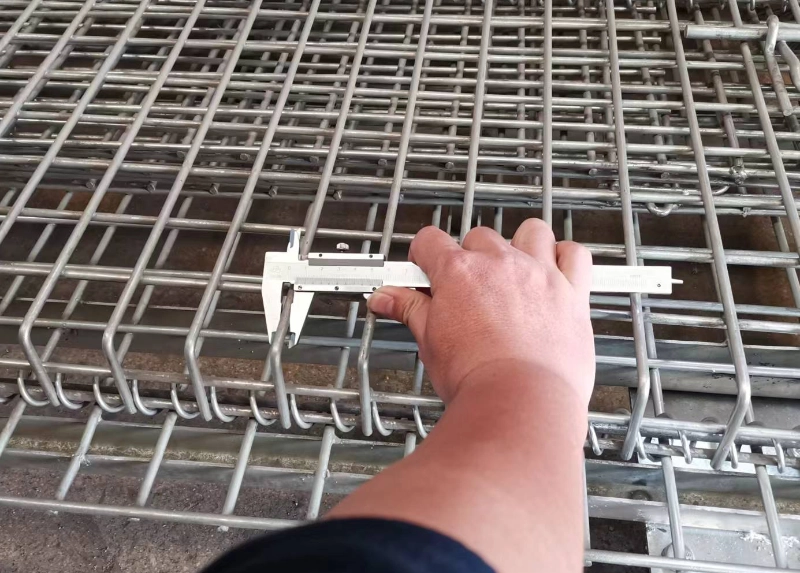
Stbox is a collapsible wire mesh container for industrial parts storage and repeat warehouse handling. Its commonly documented 50 × 50 mm mesh supports visibility and ventilation, but it is not a leak-proof enclosure. For screws, nuts, clips and other small hardware, compare the smallest part with the clear opening before approving the base cage.
- Mesh first: measure the smallest part, including its orientation and ability to roll or pass diagonally.
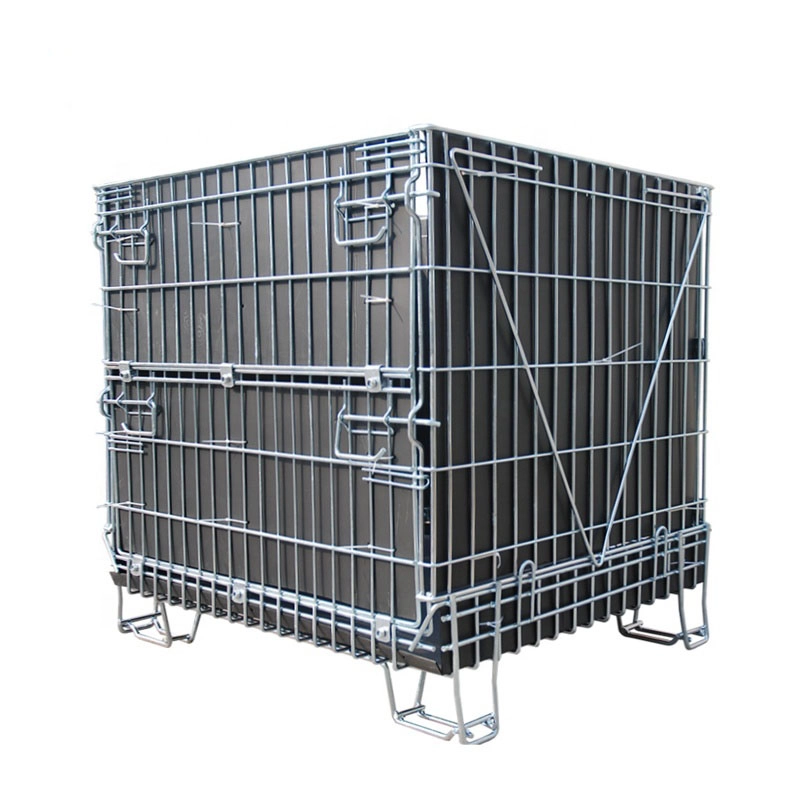
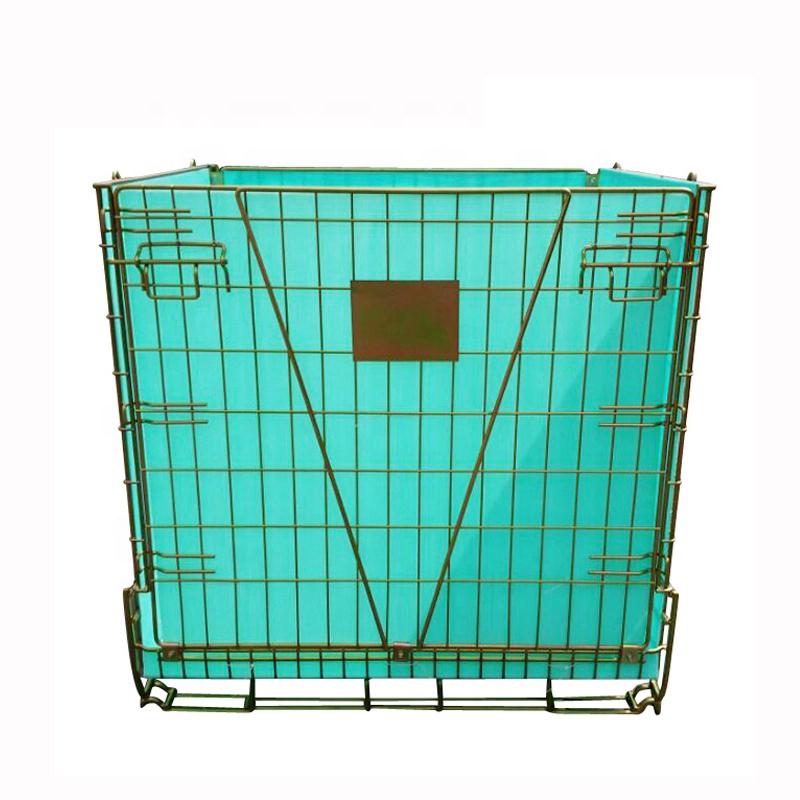
- PP liner when needed: black or light-green corrugated PP board is shown as an option for reducing rub-through and preventing parts from falling through the mesh.
- Top cover when needed: a hinged lockable mesh lid is an option for parts that may bounce, spill or require a more controlled opening.
- Confirm before production: liner thickness, number of covered sides, fixing method and temperature resistance are project-specific and must be quoted.
Choose containment by part behavior
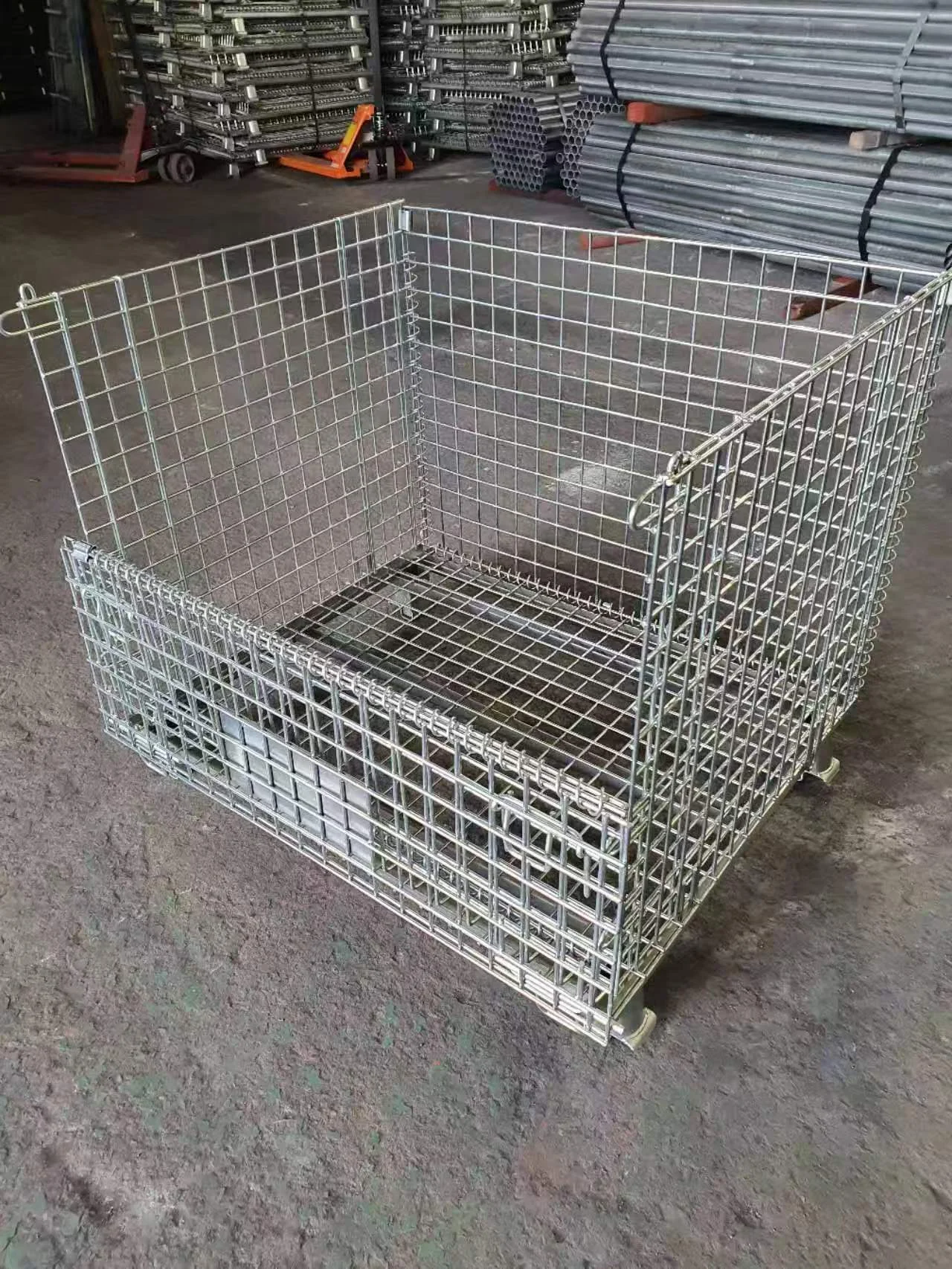 ACCESS
Base cage with drop gate
Use the visible 50 × 50 mm mesh when the smallest hardware is retained safely and visibility matters. The lowered front gate helps operators reach parts without unloading the entire container.
PROTECTIONPP liner for small hardware
A black or light-green PP hollow-board liner can create a physical barrier between parts and the steel mesh. The required thickness, covered faces and attachment method are not standard facts—define them with the part and handling route.
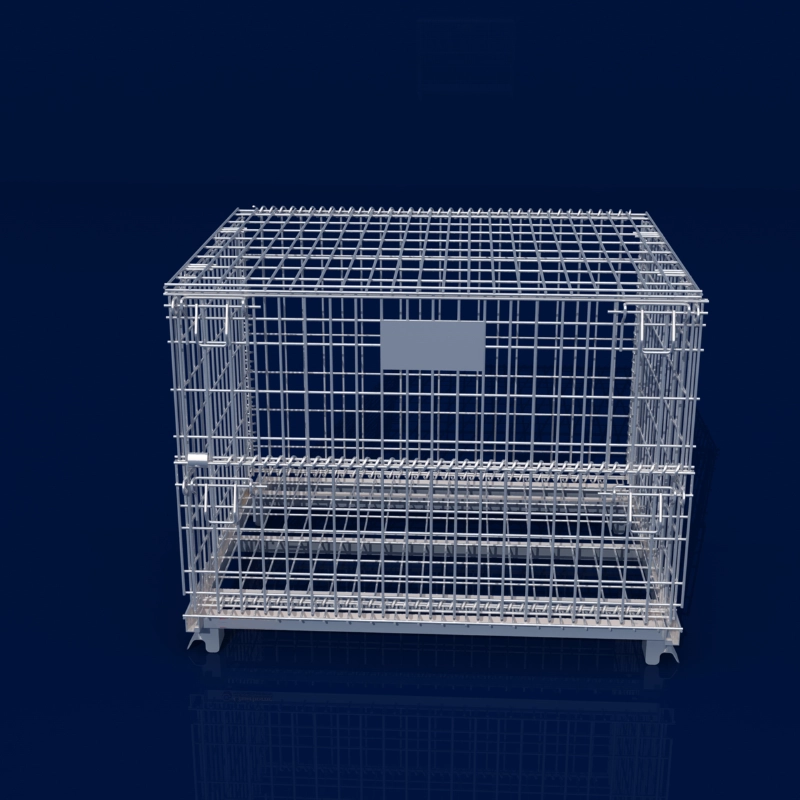 TOP CONTROL
Top lid for spill control
A hinged mesh lid and lockable cover are optional variants. Consider them when parts can bounce out during handling, when the container is staged in a busy aisle, or when access needs to be controlled.
A practical route from loose parts to controlled handling
Keep the mesh decision honest
50 × 50 mm is a documented mesh option, not a universal answer for every fastener. Size, shape and orientation determine whether a part can fall through or catch on the wire.
Reduce metal-to-part contact
PP hollow-board lining is shown for precision-component protection. Confirm how much of the interior must be covered and how the liner will stay in place during loading and emptying.
Match access to counting work
The half-drop gate supports manual access to stored goods. It can suit teams that currently count by tipping small boxes, provided the containment configuration is agreed first.
Keep handling in the design
Stbox is built around repeat industrial handling with forklift and pallet-jack use documented in the product material. Final fork openings, load centre, capacity and stacking rules require project confirmation.
Four checks before you order
Measure the smallest part
Send length, width, height, shape and a photo or sample. Include whether it can roll, rotate or fall diagonally through the opening.
Choose the barrier
Compare the base 50 × 50 mm mesh with a PP liner or a finer mesh alternative. State whether the priority is anti-drop, anti-rub, dust reduction or faster counting.
Define the attachment
Confirm liner thickness, covered faces, edge treatment and fixing method. PP material and temperature resistance are quotation checks, not assumed specifications.
Review the handling route
Confirm top-lid need, fork or pallet-jack interface, filled weight, stacking plan and environment before the final drawing and capacity review.
Questions to settle before tipping a box
Will my smallest fastener fall through the 50 × 50 mm mesh?
It may, depending on the part’s actual dimensions, shape and orientation. Do not judge only by the nominal length: a narrow or rotating part can pass differently from a block-shaped part. Send the smallest part size for a containment review. If the base mesh is not suitable, compare a PP liner or a finer mesh specification.
What PP liner thickness is available?
The product evidence shows black and light-green PP hollow-board liners, but it does not confirm a standard thickness. Thickness must be selected against part weight, impact, abrasion and the way the box is emptied. It is a project confirmation item.
How many sides should the liner cover?
That depends on the failure you are preventing. A floor-only barrier addresses bottom loss; side coverage may be needed for small parts near the walls; broader coverage can reduce contact with the mesh. The covered faces must be defined on the quotation drawing. Do not treat the pictured liner as a universal five-sided standard.
How is the liner fixed?
Fixing method is not confirmed in the current product record. Ask us to specify the attachment approach, edge clearance and whether the liner must be removable for cleaning or folding. The fixing must not interfere with the drop gate, stacking feet or fork access.
Do I need a top lid to prevent parts from falling out?
Consider an optional top lid when parts can bounce during forklift or pallet-jack movement, when the cage is filled close to the top, or when it sits in a high-traffic area. A lid helps with containment control, but a mesh cage with a lid is not automatically dust-proof, theft-proof or a certified security enclosure.
Can the liner be used at any temperature?
No universal temperature range is confirmed. PP grade and hollow-board construction must be checked against your operating temperature, cleaning process, chemicals and exposure time before approval.