

|
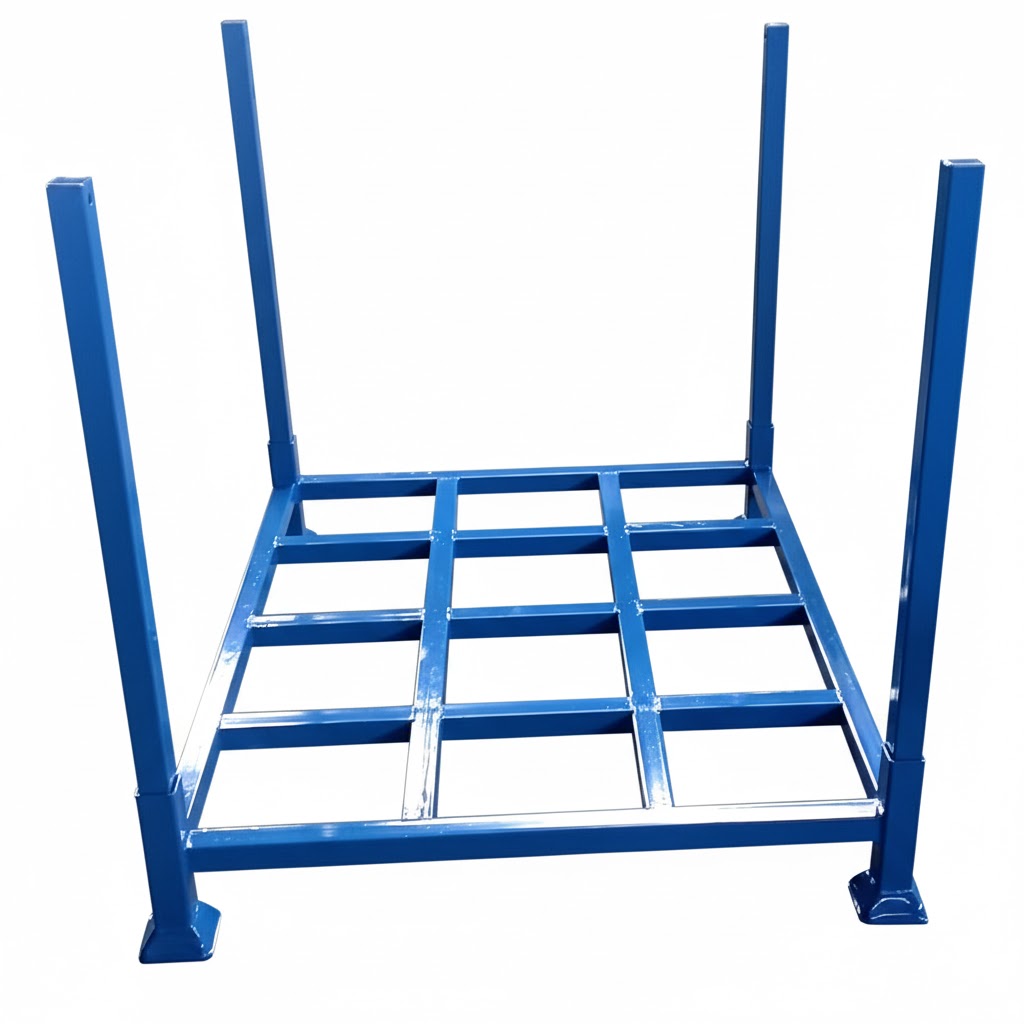
Stop Crushing Your Bottom Layer Inventory. Whether you are storing Layer Mash, Soft Wheat Flour, or heavy premixes, relying on wooden pallets and floor stacking is costing you money in damaged bags and wasted vertical air space. Switch to a storage system that protects your product integrity and doubles your warehouse capacity without a single bolt in the floor. |
The Hidden Cost of “Pyramid Stacking” in Feed & Flour Mills
In the high-humidity environment of the Philippines, storing hygroscopic materials like flour and animal feed presents a unique set of challenges. Traditional “pyramid stacking” (stockpiling bags directly on top of each other) creates a pressure cooker for your inventory.
The bottom sacks of Hog Starter Feeds or Hard Wheat Flour often succumb to compression. This leads to bursting, hardening (caking), and ultimately, unsellable waste. Furthermore, tight stacking prevents necessary airflow, inviting mold growth and heat buildup in the center of the stack.
As an Agri-Food Warehousing Specialist, I recommend shifting from static layouts to dynamic metal stacking pallets. Here is how this structural change impacts your daily mill operations.

Figure 1: Maximizing vertical density without crushing the product below.
1. Zero Compression Damage: Structural Load vs. Product Load
The fundamental flaw of wooden pallets is that they transfer weight onto the product itself. When you stack four pallets of Chick Booster Mash, the bottom layer is bearing the weight of three tons.
Our heavy duty stack racks change the physics of your storage. The steel posts—not your feed bags—bear the load.
- Protection: You can stack 4 to 5 units high (up to 6-8 meters) with zero pressure on the sacks inside the lower racks.
- Stability: The cup feet design ensures stacks are perfectly aligned, preventing the leaning towers often seen with wooden pallets in humid conditions.
2. Hygiene and Ventilation: Compliant with GMP Standards
In food and feed production, wooden pallets are a contamination risk. They absorb moisture, harbor pests, and splinter into bags. For facilities producing Siopao Flour or Bakery Ingredients, this is unacceptable.
Metal post pallets offer a sanitary alternative:
- Airflow: Wire mesh bases allow air to circulate around the bags, preventing moisture buildup and maintaining lower temperatures in the core of your inventory.
- Cleanability: Galvanized or powder-coated steel can be washed down and sanitized, unlike wood which rots when wet.
- Pest Control: Eliminates the crevices where insects hide, supporting your pest management protocols.

Figure 2: Open mesh design allows for critical airflow and easy visual inspection.
3. Dynamic SKU Management for Seasonal Demands
Feed demands fluctuate with livestock cycles, and flour demand peaks during holiday seasons. Fixed racking systems lock you into a rigid layout that may not match your current production mix.
Portable stack racks give you a “movable warehouse.”
- Instant Reconfiguration: Need to make space for a massive shipment of imported wheat? Move the racks. No bolts to unscrew, no aisles to dismantle.
- Drive-In Efficiency: Forklifts can access stacks from multiple angles, reducing travel time compared to deep-lane fixed racking.
- Identity Preservation: Keep specific batches (e.g., medicated feed vs. standard feed) physically segregated in their own rack units to prevent cross-contamination.

Figure 3: High-speed handling compatible with standard forklifts.
4. Reverse Logistics: The Nesting Advantage
If you distribute large quantities of feed or flour to regional distributors, return logistics can be a headache. Shipping empty wooden pallets back is shipping “air.”
Our pallet stacking racks are demountable. When empty, the posts are removed, and the bases nest inside each other. You can fit the equivalent of 4-5 full loads of empty racks into a single return vehicle, significantly slashing transport costs.

Figure 4: Nesting capability reduces storage footprint when not in use.
Frequently Asked Questions (FAQ) for Feed & Flour Storage
Q1: Can these racks hold standard 1-ton bulk bags (FIBC) as well as 25kg sacks?
Yes. We can customize the base dimensions to fit standard wooden pallets (1200x1000mm) or larger sizes for Super Sacks. The load capacity typically ranges from 1000kg to 1500kg per rack.
Q2: Will the steel rust in high-humidity Philippine warehouses?
We recommend a Hot-Dip Galvanized finish for agri-food environments. This provides a metallurgical bond that protects the steel from rust for 15+ years, even in humid or coastal areas.
Q3: How do these compare to drive-in racking for flour storage?
Drive-in racking is permanent and expensive to install. Metal stack racks offer similar density (no aisles) but allow you to change your floor plan daily. They are also significantly cheaper regarding upfront CAPEX.
Q4: Do I need special forklifts to use these?
No. Our racks are designed with standard forklift pockets and are compatible with the material handling equipment you already use for wooden pallets.
Q5: Can I stack different products in the same vertical column?
Absolutely. Because the racks are self-supporting, you can place a rack of Cornstarch on top of a rack of Hard Wheat Flour without any risk of crushing or cross-contamination.
Need a Custom Storage Solution?
Speak directly with our technical engineers. We offer free structural designs, heavy-duty catalog evaluations, and quick B2B price quotations.
Request a Quote Now →