
Car Tire and Recovered Parts Turnover Basket Pallet | Ttrack
Ttrack
Forklift-ready basket pallet concept for car tires and recovered parts, with 2300 mm side-entry loading, layered stacking, and compact empty return flow.
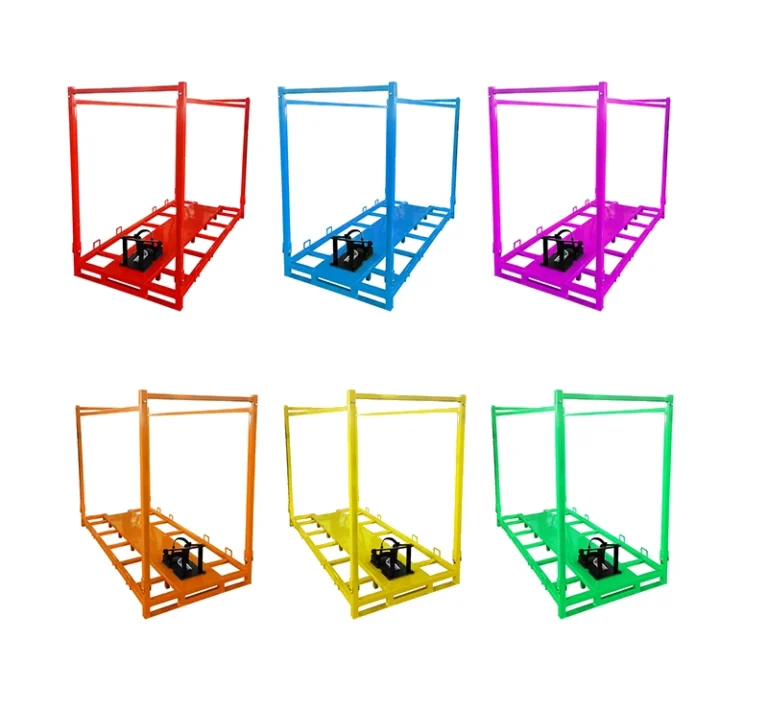
Turn Tires and Recovered Parts into One Forklift-Ready Basket Pallet
For tire wholesalers, recycling plants, and transit hubs, this Fortest concept keeps loose inventory in one rigid basket so you handle the whole rack instead of each tire.
That means less floor scatter, fewer scuff marks from repeated hand contact, more predictable stacking, and a cleaner return cycle when the empty frames come back nested or folded. The test note also revises the overall length to 2300 mm so the rack can enter the container sideways, which gives a straight forklift path and keeps loading repeatable.
- Whole-rack forklift transfer to reduce manual contact
- Basket-style containment for tires and recovered parts
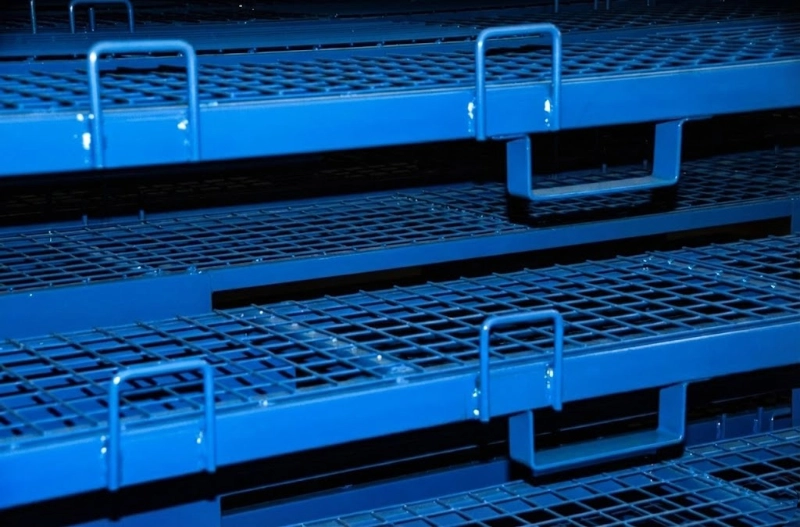
- Layered stacking by the corner post and sleeve interface
- Folded or nested empty return to cut return volume
- 2300 mm side-entry concept for container loading
Choose the rack layout that matches your tire flow
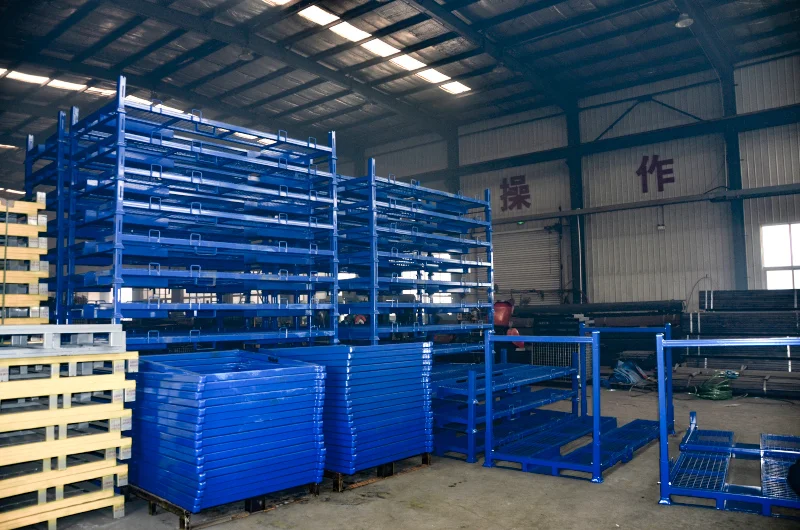
Car tire + recovered parts
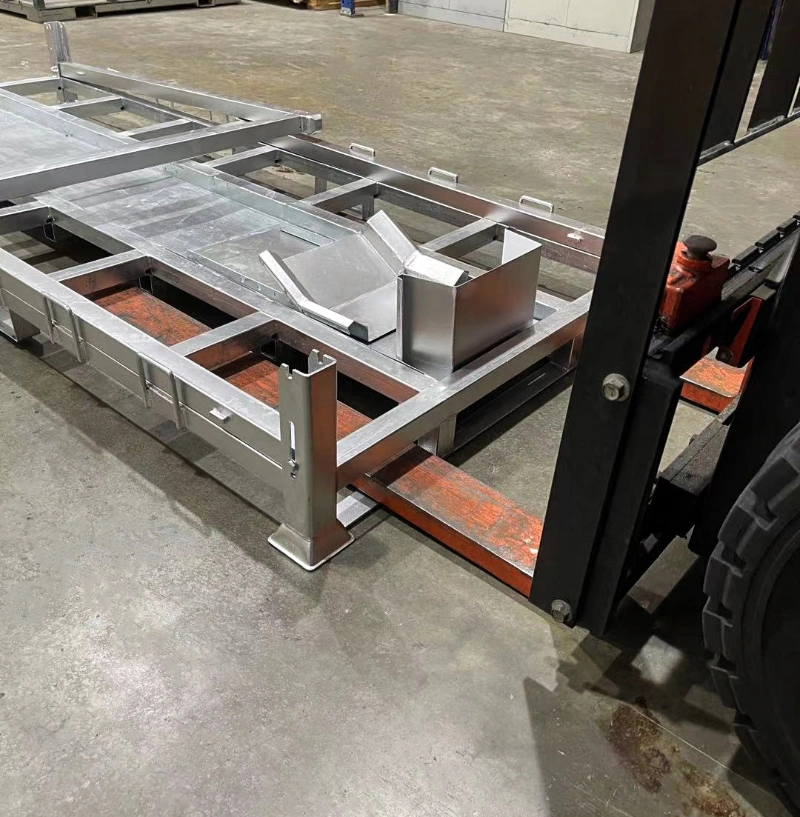
Basket pallet for mixed loads
Use this layout when your flow includes car tires plus reusable or recovered parts that need one contained handling unit, not loose floor parking.
- One forklift move per basket
- Mesh or plate deck keeps the load contained
- Good for mixed inventory at receiving, sorting, and dispatch
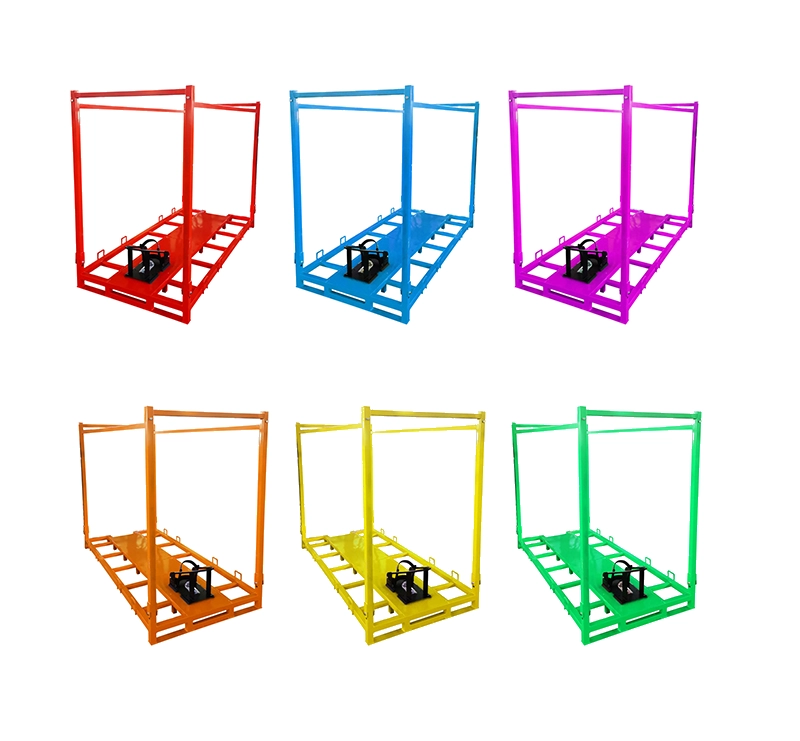
Truck tire version
Higher side frame for bulk tires
Choose the truck-tire layout when the diameter and stack height call for a taller side wall and a more controlled load envelope.
- Same sideways container logic in the test note
- Whole-rack forklift handling remains the core move
- Confirm the final load rating before quotation
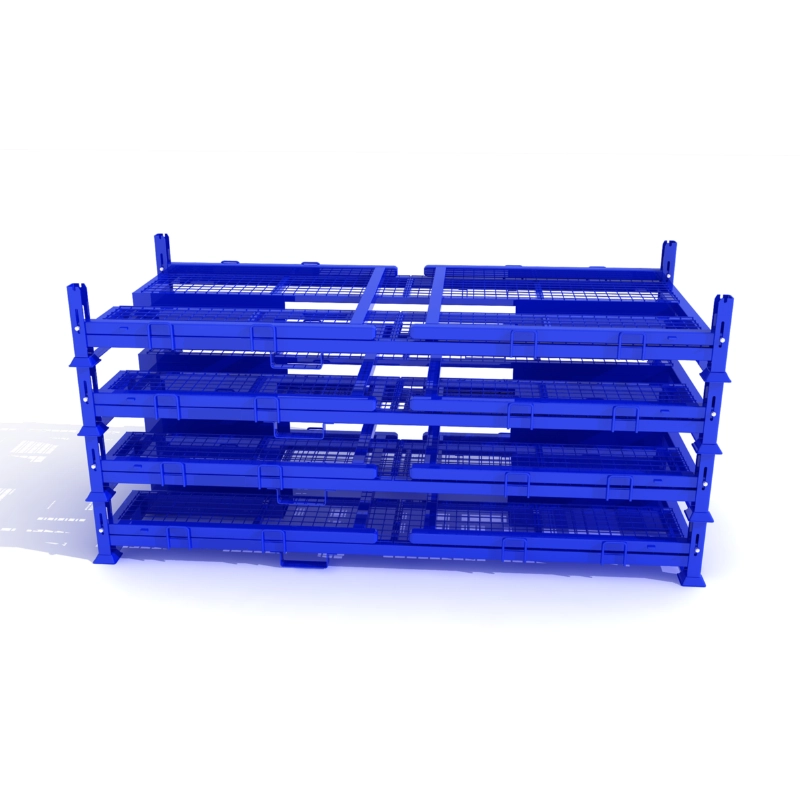
Empty return mode
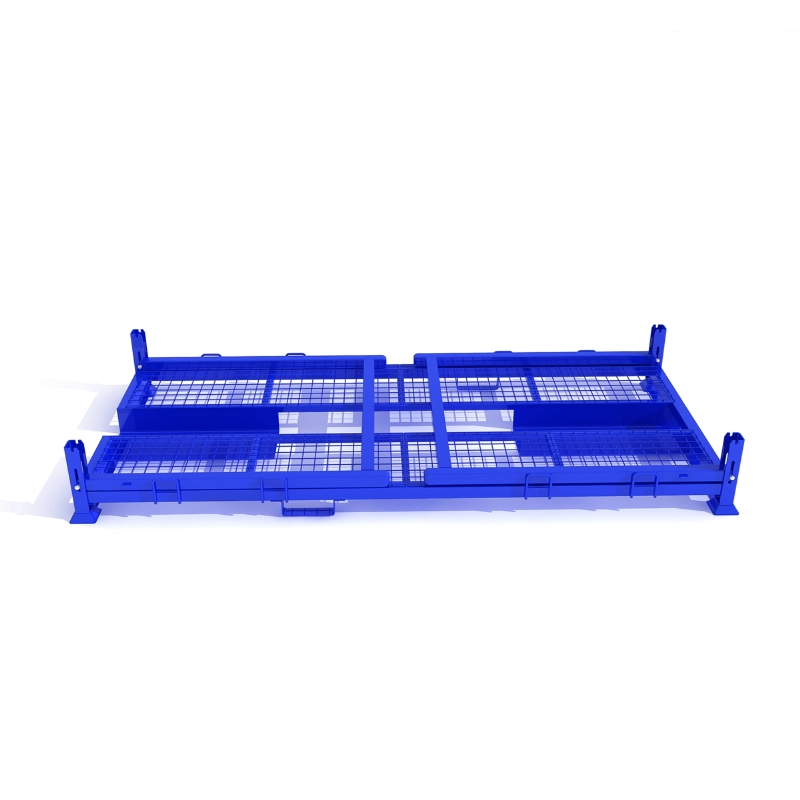
Folded or nested return stack
When the job is done, empty frames can be folded down or nested so the backhaul lane carries more units per trip and less dead air.
- Compact return volume
- Better yard discipline during reversals
- Useful for repeated circulation between warehouse and recycler
What changes when the tires stop living on the floor
Less scatter, less scuffing
Loose tires and recovered parts stop spreading across the floor, so you reduce rubbing, corner damage, and repeated rehandling.
Fewer manual touch points
The forklift moves the whole basket as one unit, which cuts hand contact and makes transfer predictable from receiving to dispatch.
Layered stacking stays controlled
Upper units sit on the lower posts or sleeves, so the stack builds from the rack geometry instead of from guesswork.
Empty return becomes compact
Fold the side frames or nest the empty units and the return lane takes fewer cubic meters per trip.
How to move from mixed inventory to repeatable rack handling
Confirm the load mix
Share tire diameters, recovered-part shapes, and whether the basket will carry only tires or a mixed batch with small reusable parts.
Pick the rack family
Select the car-tire layout, the truck-tire layout, or the nested return mode, depending on your handling rhythm and storage density.
Set the container logic
The Fortest note revises the overall length to 2300 mm so the rack can enter the container sideways and keep a clear forklift line during loading.
Close the circulation loop
Finalize the stack rule, the return fold or nest rule, and the packaging method, then compare this page with PDP-01, PDP-04, CASE-01, and SOCIAL-03 for the next step.
Questions buyers ask before they move tires onto a basket pallet
Why does loose floor storage cost more?
Because every tire or recovered part becomes a separate touch point. That adds aisle space, handling time, and a higher chance of scuffing or contact damage.
How does whole-rack transfer reduce labor?
The forklift lifts the basket as a single unit, so operators do not have to pick and move each tire by hand during internal transfer.
How do layered stacks stay aligned?
The upper frame sits on the lower post or sleeve interface. That gives the stack a defined seat instead of a loose top-to-bottom contact guess.
How does empty return save space?
When side frames fold down or the units nest, the empty rack takes less height and width, so one backhaul can carry more pieces.
Why is the 2300 mm sideways entry note important?
In the Fortest concept note, the overall length is revised to 2300 mm so the rack can enter the container sideways. That keeps the forklift approach direct and makes loading repeatable.
When is this basket pallet not the right choice?
If the workflow depends on loose piece picking, unstable odd-sized parts, or an unconfirmed stack/load requirement, use a different container or finalize the load plan before ordering.