
Post Pallet Uprights for Existing Pallets
Retrofit existing pallets with uprights to create vertical storage. Learn when post pallet works, how stacking is confirmed, and when a full stack rack is better.
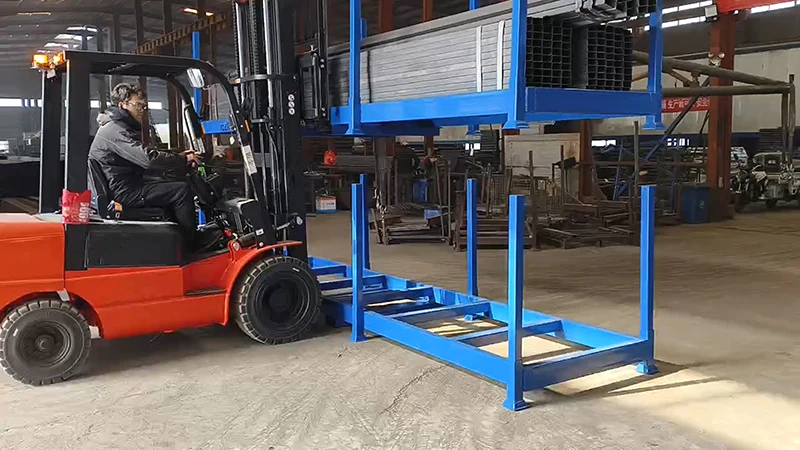
Turn a ground stack into vertical storage
Post Pallet is a retrofit solution for warehouses and shops that want more storage height without replacing serviceable pallets.
We add uprights to a pallet platform so the load can be stacked upward while the base pallet stays in service. This is not the same as buying a full stack rack. The final stack count and safe working load are confirmed from your real pallet, real load, and handling method. If the pallet is cracked, warped, wet, or mixed across the fleet, we recommend a pallet review before stacking.
Related layouts: PDP-01, PDP-03, PDP-06.
- Keep the existing pallet in circulation when the base structure is still sound
- Convert a flat pallet stack into a vertical storage lane with uprights
- Choose a staged retrofit or a full-site rollout based on your operation
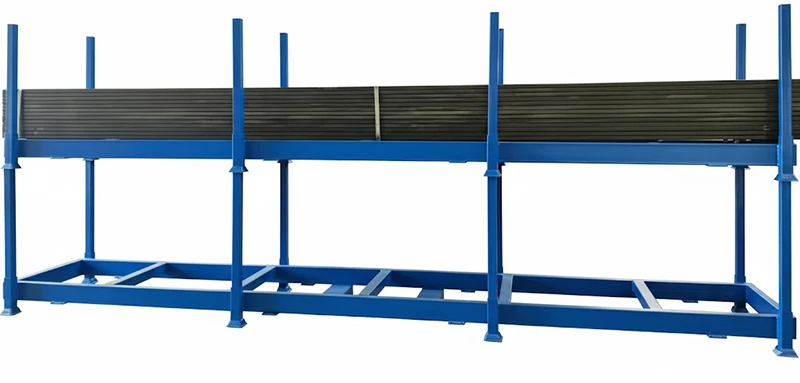
Retrofit, frame, or hybrid — pick the build that matches your flow
Retrofit-first
Post Pallet Retrofit
Best when the pallet body is still serviceable and you want the fastest path to higher storage density.
- Uses your existing pallet as the base platform
- Good for phased upgrades and lower disruption
- Confirm the final stack height from a real sample
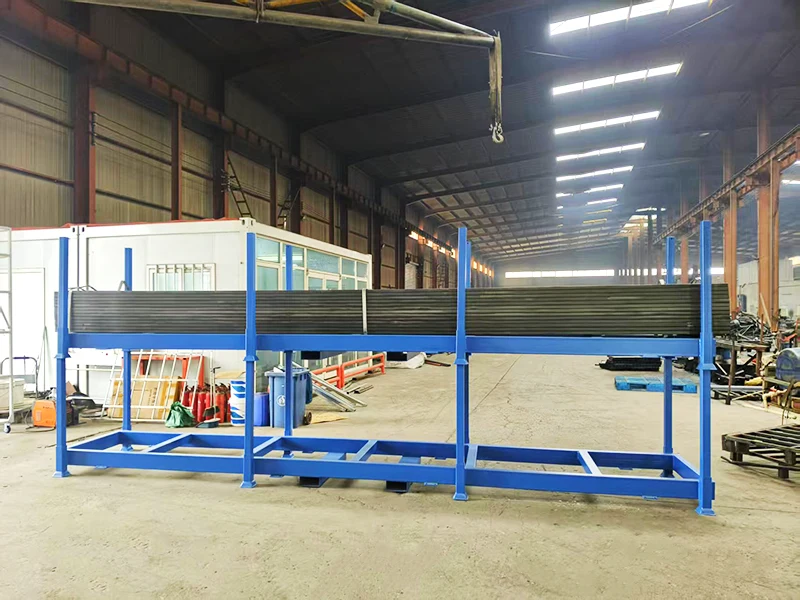
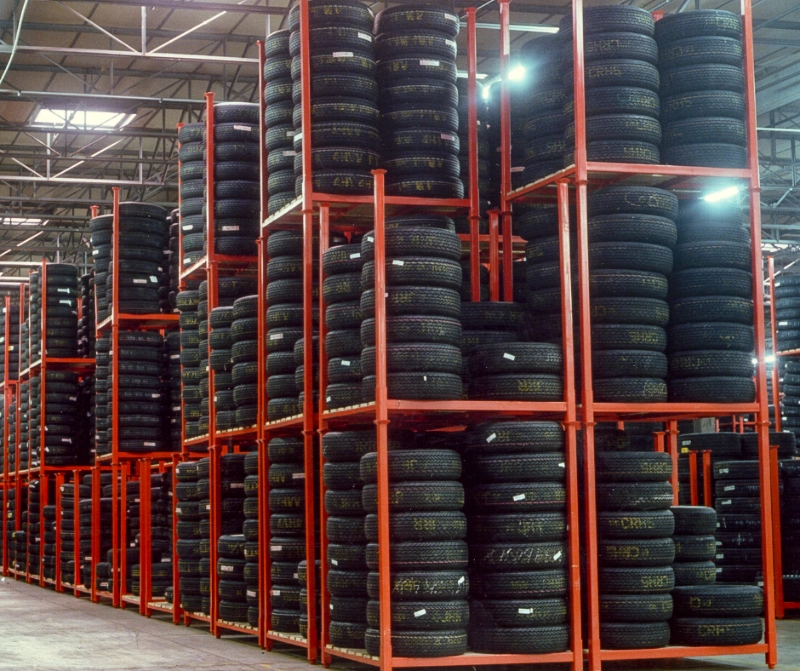
Dedicated system
Full Stack Rack
Best when the storage cycle is standardized and you want a dedicated rack system instead of a pallet-based retrofit.
- More control over load path and repeatability
- Fits heavier or more uniform turnover
- Usually the better choice when pallet quality varies too much
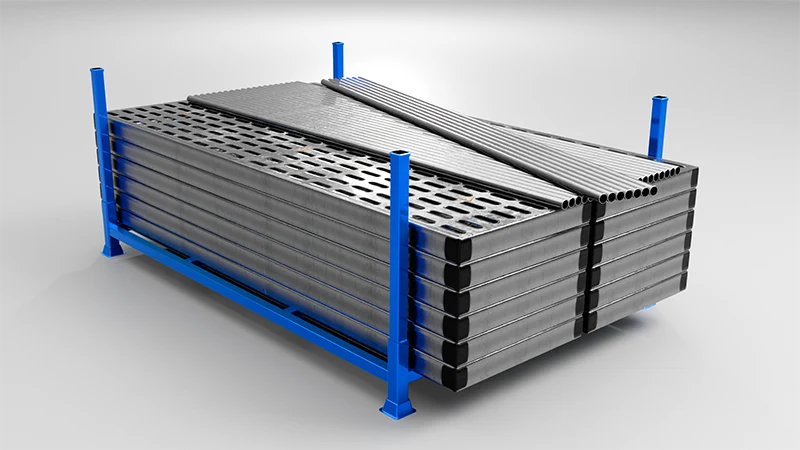
Phased rollout
Hybrid Layout
Use retrofit units on one line and dedicated frames on another when your operation has mixed loads or a phased upgrade plan.
- Easy to pilot before a full warehouse rollout
- Useful when some pallets are stable and others are not
- Lets you separate light-duty and heavy-duty aisles
Use retrofit when you want more height without replacing every pallet
Keep existing pallets
If the pallet deck and corners are still sound, you do not need to scrap the base asset.
Stack by confirmed condition
The safe stack count comes from sample confirmation, not a generic catalog number.
Fast access for daily handling
Open access and forklift movement remain straightforward when the pallet and aisle layout are aligned.
Know when a full stack rack is better
If the pallet quality varies, the load is heavy and repeatable, or you need a dedicated frame platform, a full stack rack may be the better fit.
From pallet data to a working upright plan
Send dimensions and load
Share pallet size, material, load center, fork entry direction, and photos of the current pallet.
We size the uprights
We propose the upright height, base interface, and stacking approach for your usage.
Sample and verify
We confirm the stack count and handling behavior on a real sample before production.
Move to production
After approval, we prepare the batch and dispatch the solution for your site.
Answers buyers usually need before they send a sample
How do the uprights work with the pallet?
The uprights are added to the pallet platform so the base pallet remains the load carrier. The exact connection and height depend on the pallet structure and your handling method.
How many layers can be stacked safely?
There is no fixed number that applies to every pallet. Safe stacking depends on pallet condition, load, upright height, and floor and aisle conditions. We confirm it by sample.
How much can one pallet carry?
The pallet carries the load only within the verified working limit of the complete setup. Because pallet quality varies, we do not publish a one-size-fits-all figure.
How is this different from buying a full stack rack?
Post Pallet upgrades the pallets you already use. A full stack rack is a dedicated frame system for a more standardized and repeatable storage cycle. If you need the strongest control over uniform loads, the full rack is usually the safer choice.