
When a motorcycle crosses borders, the risk is rarely just the ocean. The real damage usually happens on the ground: a bike leans too far during loading, a strap loosens after the first stop, fairing rubs against the crate wall, or an operator has to retighten the same load more times than planned. That is why the conversation should start with the shipping method, not the paperwork.
For many shippers, the first options are a wooden crate or a set of straps on a flat surface. Both can work in a specific case. A wooden crate is simple and familiar, but it is usually a single-use solution and does not handle repeated handling well. Straps are cheap, but they depend on tension staying perfect at every transfer. For cross-border shipments, show logistics, and dealer distribution, that is where the weak point usually shows up. A motorcycle transport pallet with a wheel cradle gives the load a fixed position before the first truck even moves.
What actually causes damage during motorcycle transport?
Most transport damage is not dramatic. It is small movement repeated many times. A motorcycle pallet rack has to keep the bike from walking, leaning, and shifting under vibration. If the front wheel is not secured, the entire load depends only on strap strength. If the side contact points are soft or unstable, friction marks appear where no one expected them. And if the load has to be opened and closed multiple times for customs, inspection, or transshipment, each extra retightening increases the chance of strap loosening and surface scratches.
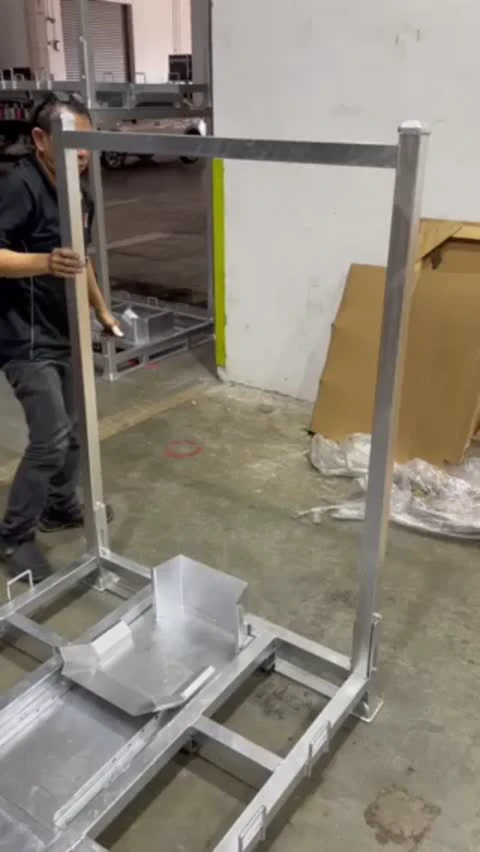
This is where a steel motorcycle pallet changes the logic. Instead of asking straps to do all the structural work, the pallet carries the geometry. The wheel cradle holds the front wheel in place, the frame gives the load a repeatable base, and the operator does not have to rebuild the same stability from scratch every time the shipment is handled. In practice, this means less reliance on a single perfect strap tension and more reliance on a fixed transport interface.
How to secure the bike without complicating the job
The best securing method is usually the one the next operator can understand quickly. For export packaging, that matters. If the system is too loose, the bike moves. If it is too complicated, staff waste time and make mistakes. Mtrack is positioned for the middle ground: a motorcycle transport pallet that offers a repeatable wheel capture point, a stable steel platform, and a layout that is easier to explain to warehouse staff, truckers, and show teams.
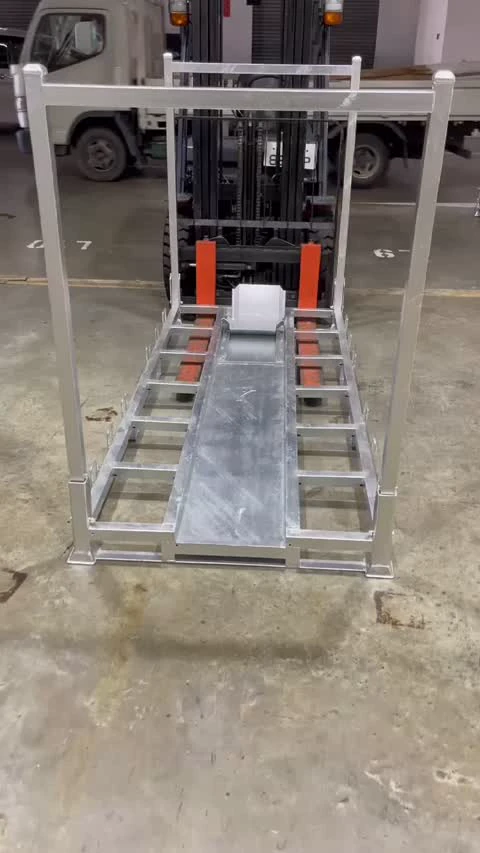
This is especially useful when a shipment is not a single move. Many users need a motorcycle transport pallet for sales demos, dealer delivery, trade shows, and reverse logistics. In those cases, the load is moved more than once, and a reusable steel pallet is easier to standardize than a disposable wooden crate. If you export the same model repeatedly, the stable pallet format also helps packing teams maintain the same loading standard every time, which reduces training time and packing errors.
Cost: what looks cheap at the start is not always cheap along the way
From a cost standpoint, wood often seems easier at the quotation stage. But the real cost of a single-use crate is not just the material. It is the cutting, assembly, disposal, unpacking, and the risk of paying for damage that appears after arrival. Straps look even cheaper, but they usually shift the cost to labor, retightening, and rework. A steel pallet usually requires a higher upfront investment, but it can be reused and can reduce the hidden costs that matter in cross-border freight: repacking time, damage claims, and avoidable freight waste on reshipments.
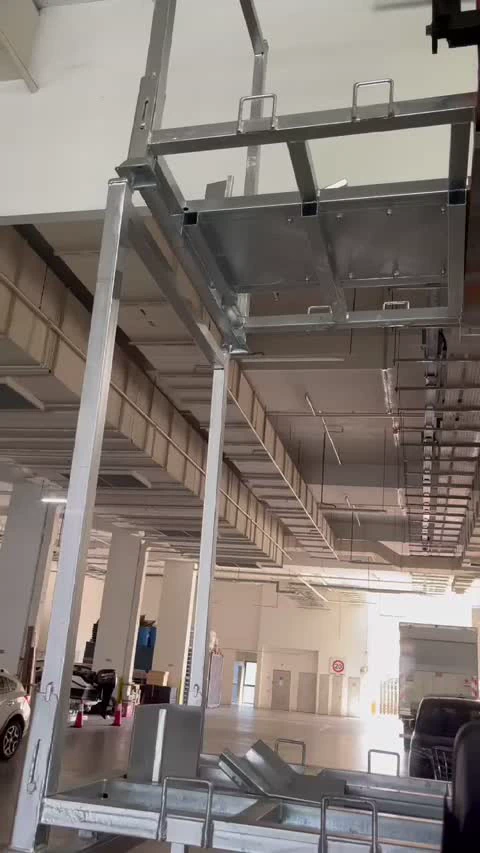
If your route includes humidity, port storage, or outdoor stages, buyers often ask for a corrosion-resistant finish, such as galvanization. That is a normal question for steel logistics equipment, not a special luxury. The important point is that the shipping method should match the exposure window. A good motorcycle pallet storage rack is not just about transport; it is also about what happens while the bike waits between warehouse, customs, booth assembly, and final delivery.
Where Mtrack fits best
Mtrack is a great option when you need one or more of the following: stable motorcycle loading for export, safer transfer between operators, repeated use for shows or dealer shipments, and a layout that makes the bike easier to secure than a strap-only method. It is less attractive if you only need a single, low-value local move and do not care about reuse, handling speed, or presentation quality. In other words, it is built for controlled logistics, not the cheapest temporary solution.
- Cross-border motorcycle shipments that need a fixed loading position and fewer retightening events.
- Trade shows and demo fleets where the same bike is packed, unpacked, and moved again.
- Transfers to dealers or distributors where repeatability matters more than a single-use crate.
- Return freight situations where a reusable steel pallet is easier to bring back than a disposable wooden crate.
Perguntas Frequentes
Is a wooden crate enough?
Sim, se o movimento for curto, o número de manuseios for baixo e a moto não precisar ser reaberta várias vezes. Mas quando você adiciona carregamento repetido, trânsito mais longo ou carenagens mais caras, um palete para transporte de motocicletas com berço para roda geralmente é mais fácil de controlar.
Por que não confiar apenas nas cintas?
As cintas fazem parte da solução, não a solução inteira. Elas funcionam melhor quando a moto já está em uma estrutura de palete fixa. Esse é o principal valor da Mtrack: ela dá às cintas uma base estável em vez de pedir que elas corrijam cada movimento por conta própria.
Precisa de uma Solução de Armazenamento Personalizada?
Fale diretamente com nossos engenheiros técnicos. Oferecemos projetos estruturais gratuitos, avaliações de catálogos de alta capacidade e orçamentos rápidos para B2B.
Solicite um Orçamento Agora →