
Sebox 1000kg Heavy Duty Wire Mesh Container | Stack Planning Guide
Sebox
Sebox standard model uses 1000kg UDL. Learn how to plan 3–4 layer stacking, forklift transfer, bottom-load checks, and when to move to 1300kg or 1500kg variants.
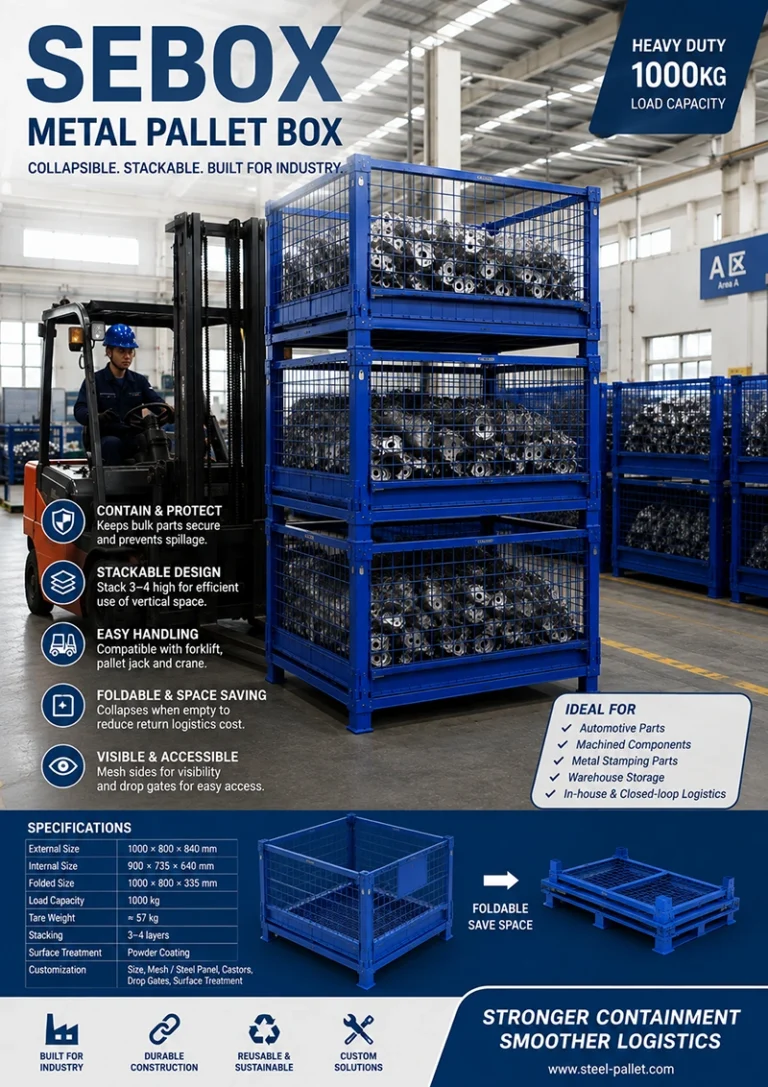
Why 1000kg matters in a workshop
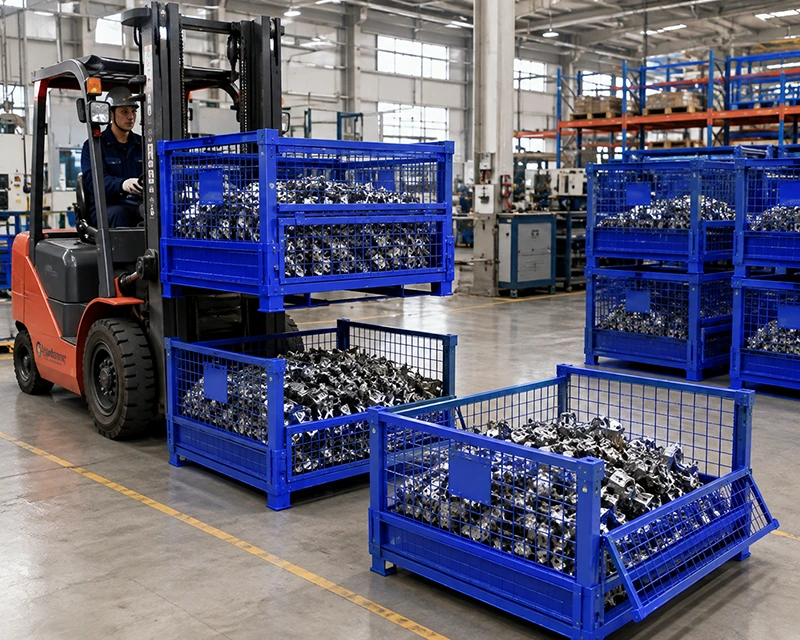
The standard Sebox model is rated for 1000kg uniform distributed load, which means the payload should be spread across the base area rather than concentrated on a single point.
For workshop, machining, and intra-plant transfer jobs, this matters more than a headline number. A 1000kg UDL box can handle heavy mixed parts when the load is packed evenly, but it should not be treated as a point-load container. If your part has a small footprint, an off-center center of gravity, or hard contact points, send the box weight and load layout before you approve the stack.
- Standard rating: 1000kg uniform distributed load
- Suggested planning range: 3–4 stacked layers
- Q235 welded steel frame for workshop handling
- Forklift pockets for mechanical transfer
- Half-drop front gate access in stacked use
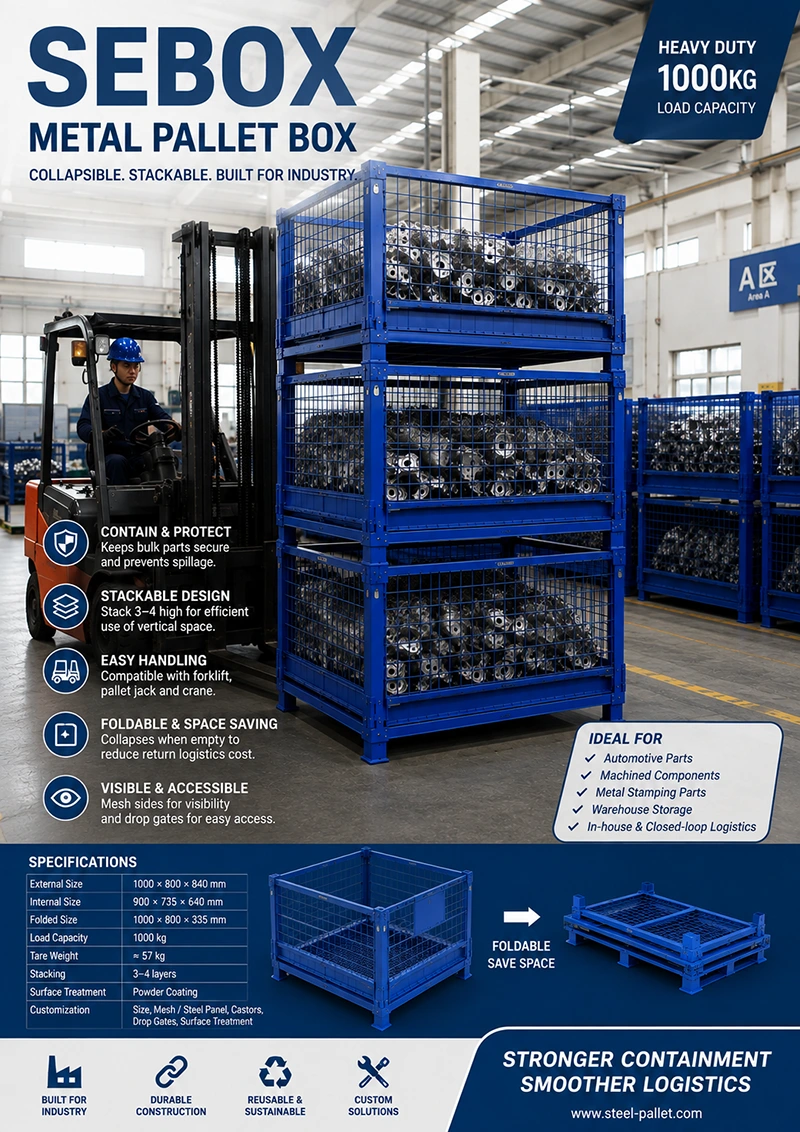
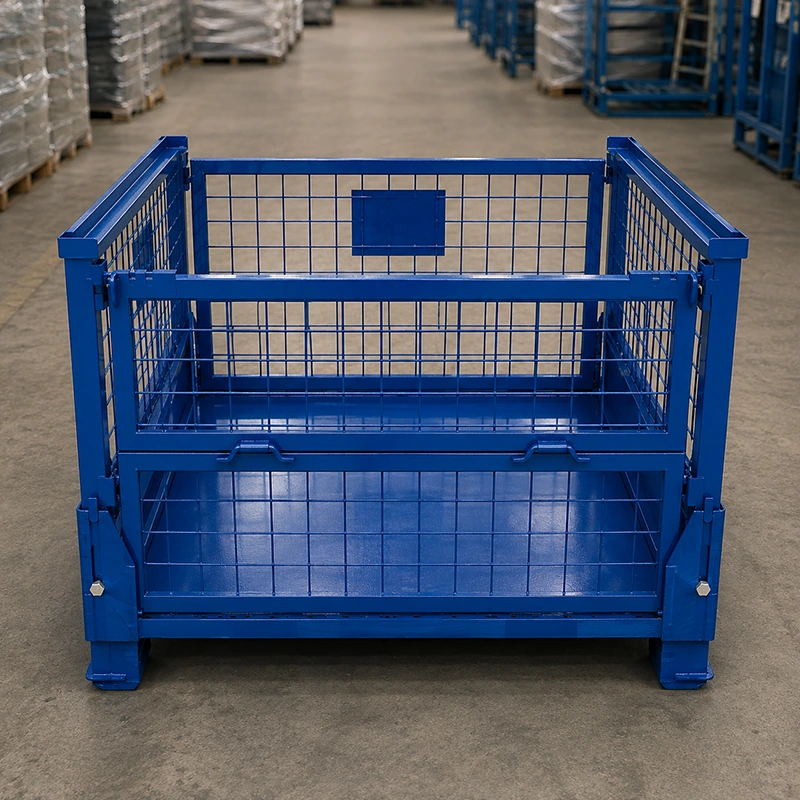
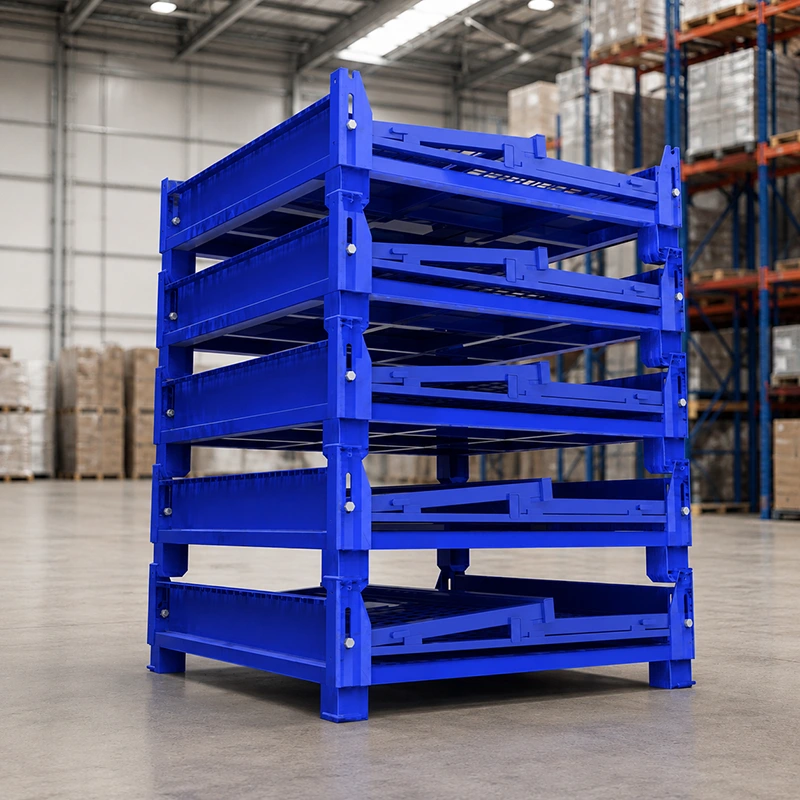
Do not mix the standard model with the project variants
Standard 1000kg UDL
Standard Sebox load configuration
This is the published standard model. Use it for evenly packed heavy parts, workshop buffering, and palletized mechanical transfer where the load can be distributed across the base.
Load: 1000kg UDL
Stacking: 3–4 layers recommended
Structure: Q235 welded steel frame
Project 1300kg variant
1300kg version in the archive
The project files also record a separate 1300kg version. Treat it as a different configuration and confirm the drawing, base detail, and stacking condition before using it in a quotation or layout plan.
Status: separate project variant
Use case: higher load review only
Rule: do not merge with the 1000kg standard
Project 1500kg variant
1500kg version in the archive
The archive also contains a separate 1500kg version. It is not a blanket upgrade for the standard model; use it only after load layout, floor condition, and handling method are confirmed for the project.
Status: separate project variant
Use case: heavy-duty review only
Rule: do not assume 1500kg for every Sebox unit
Four questions that decide whether the standard box is enough
Is 1000kg uniform or concentrated?
The published rating is a uniform distributed load. If the part load is concentrated, point loading must be reviewed separately before you approve the box.
What happens in a 4-high stack?
In a simple full-load planning case, the bottom unit carries the three loaded units above it plus its own payload. That is the highest compressive condition in the stack.
Can forklift or crane move the whole stack?
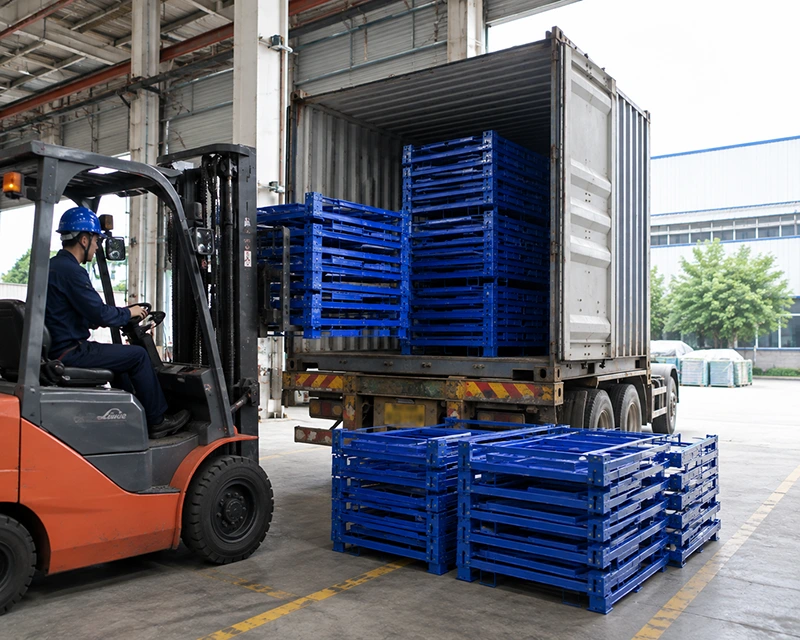
Forklift handling is the documented mechanical transfer method. Crane transfer should be treated as project-specific and only approved after the rigging plan and lifting method are confirmed.
What if the job is above 1500kg?
Do not force the standard 1000kg model into that duty. The archive only shows separate 1300kg and 1500kg variants; anything above that needs a new engineering review or a different container concept.
Use the right load case before you lock the order
Send the weight per box
Share the single-box weight and say whether the load is evenly spread, center-heavy, or point-loaded.
State the stack height
Tell us whether the job needs 3 layers, 4 layers, or a different stacking limit so the bottom load can be checked.
Confirm the handling method
Choose forklift transfer by default. If the site wants crane transfer, confirm the lifting plan before release.
Match the model to the load
Use the standard 1000kg model for normal workshop duty. Move to a 1300kg or 1500kg project variant only when the load case is confirmed.
Main CTA: submit your single-box weight and stack height for a recommendation. If your project sits closer to PDP-01 or PDP-03, compare those routes after this page and keep the variant separate.
Answers for safety, purchasing, and workshop planning
Is the 1000kg rating a uniform load or a point load?
It is a uniform distributed load rating. If your parts sit on small contact points or one side of the frame, request a separate review before you release the order.
If I stack four boxes, how much does the bottom unit carry?
In a simple full-load planning scenario, the bottom unit supports the three loaded units above it plus its own payload. That is the highest compressive condition in the stack, so floor and interface checks still matter.
Can a forklift move a full stack?
Forklift transfer is the documented handling route. The stack still has to be secured, and the fork length, floor condition, and stack stability must match the actual job.
What should I do if my load is above 1500kg?
Do not use the standard Sebox rating as a shortcut. The files only record separate 1300kg and 1500kg variants, so anything above that should go through a new engineering review.