
Strack Nestainer Rack for Forklift Mechanical Handling
strack
Strack nestainer racks support forklift mechanical handling, unit load relocation, and flexible warehouse layouts. Confirm fork tine thickness and entry style per project.
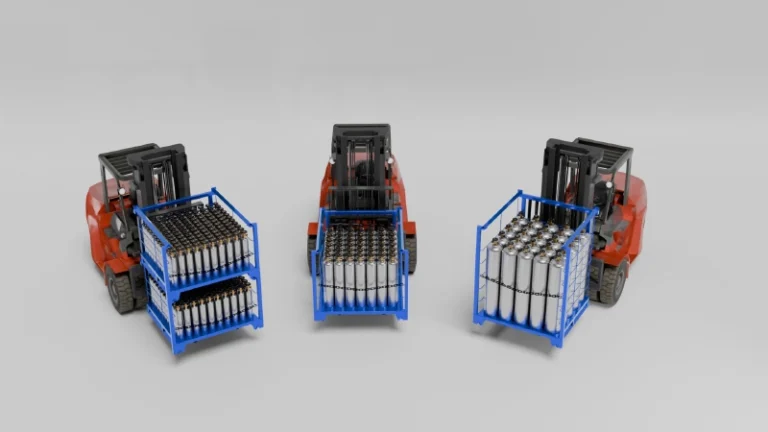
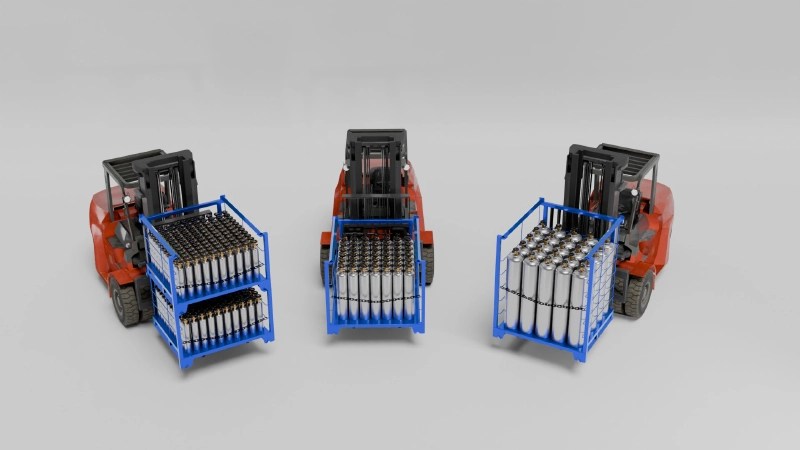
Move the rack, pallet, and load as one unit
If your site already has forklifts, Strack lets the whole load move without unloading. That cuts rehandling, shortens transfer time, and keeps your layout flexible when demand changes.
This page is for 3PL operators, manufacturing plants, and buffer warehouses that want a mechanical handling system instead of a fixed storage installation. The key idea is simple: the forklift enters through the project-specific fork geometry, lifts the unitized load, and the rack can be relocated, restacked, or parked as needed.
- Four-way fork entry geometry for project-specific forklift access.
- Load + pallet + rack move together to reduce second handling.
- No unloading required for internal relocation or zone changes.
- Fast seasonal buffering, aisle changes, and temporary warehouse setup.
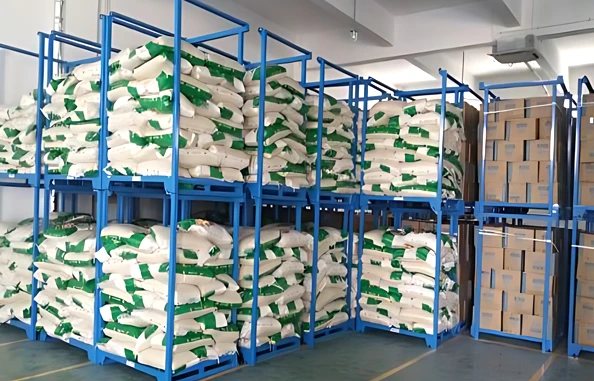
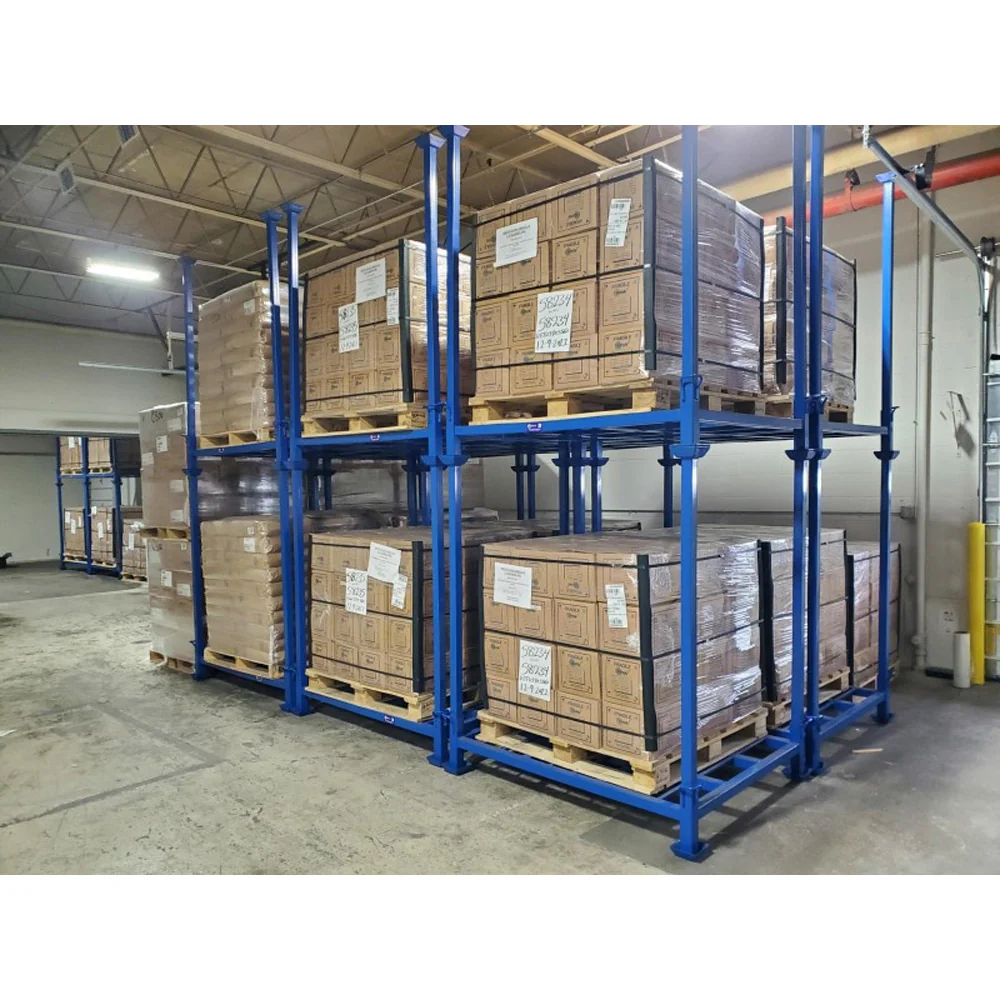
Match the rack version to your load and fork entry
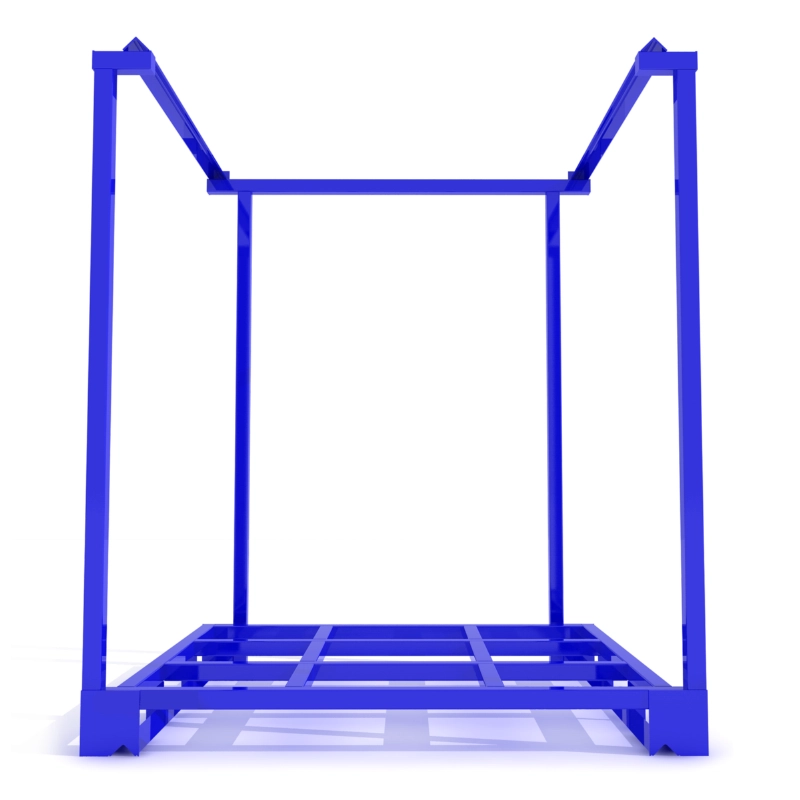
Open frame
General palletized loads
Use when cartons, wrapped goods, or mixed unit loads need to move as one unit and later re-enter storage without a fixed-rack layout.
Confirm pallet footprint, load height, and fork entry style before quoting.
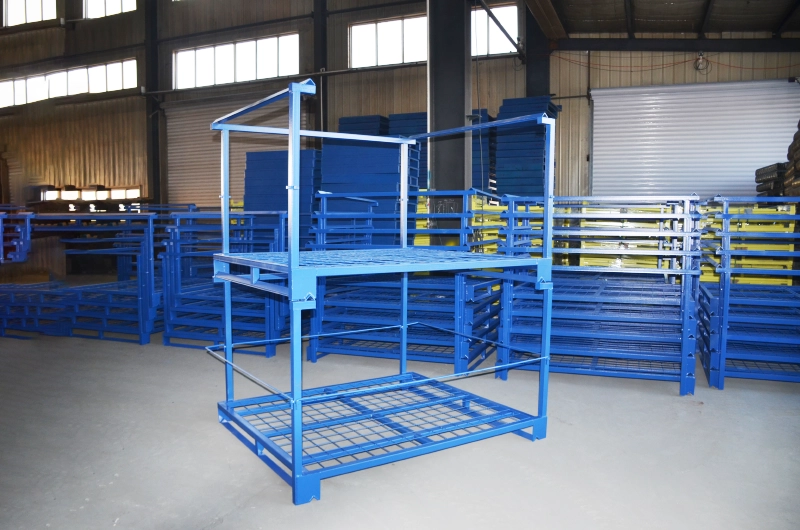
Stacking cup
Multi-level stacking
Use when the site needs stable vertical stacking, and the forklift route must stay predictable during repeated moves.
Useful for seasonal buffering, temporary warehouse setup, and internal zone changes.
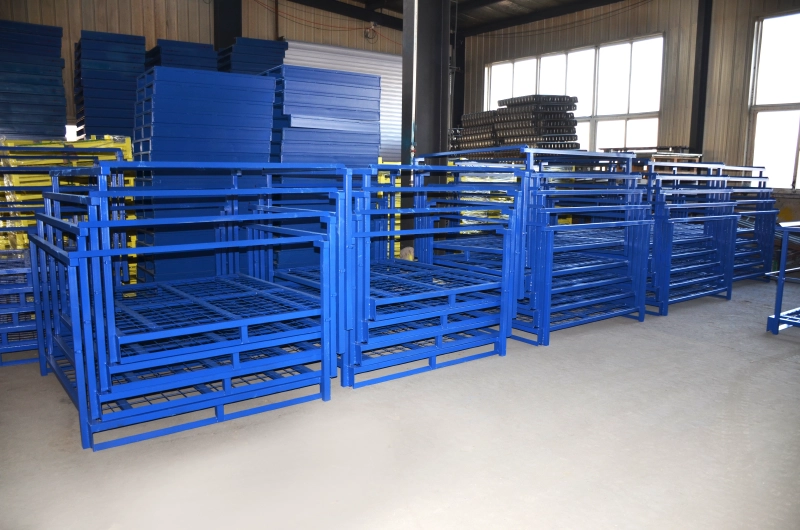
Nesting mode
Empty rack compaction
When the rack is idle, nesting reduces the storage footprint and helps lower return transport cost for empty frames.
Best when empty racks need to be parked between peaks or shipped back in bulk.
Why forklift users choose this route instead of fixed racking
Reduce rehandling
Move the rack, the pallet, and the load together. That removes the extra unload-and-reload step that usually slows down internal transfers.
Flexible layout
Unlike fixed drive-in storage, Strack can be moved when demand changes, so aisles and buffer zones can be re-planned quickly.
Forklift-ready geometry
The fork opening is designed for mechanical handling, but the final fork tine thickness and entry style must still match the project.
Handle with care
Do not force the forks into a tight pocket or hit the entry zone. Violent fork entry can deform the fork mouth and affect repeat handling.
What we need before recommending the right handling scheme
Confirm the load
Tell us the cargo type, pallet size, full load height, target stack count, and weight. The right rack depends on the actual unit load.
Confirm forklift details
Share fork tine thickness and the preferred entry style. This avoids mismatch at the fork pocket and keeps handling smooth.
Choose the variant
Open frame, side containment, mesh deck, or project-specific containment can be selected based on whether the goods are cartons, bags, pallets, or mixed loads.
Plan the layout
Set the aisle, buffer zone, and return-storage plan around the forklift route, then adjust the layout when the season changes.
Common questions from forklift-driven sites
Is this a manual handling product?
No. Strack is for forklift mechanical handling. If the site needs manual carrying, this is not the right approach.
Can it replace fixed pallet racking?
Not directly. It serves a different need: flexible zone control, temporary storage, and moving unit loads without anchoring a fixed system.
What must be confirmed before quotation?
Cargo type, pallet size, load height, stack count, weight, fork tine thickness, and entry style should be confirmed per project.
What should be avoided on site?
Do not force the forks, do not use violent entry, and do not assume every variant shares the same fork opening or load envelope.