What Load and Stack Height Can a Demountable Post Pallet Handle?
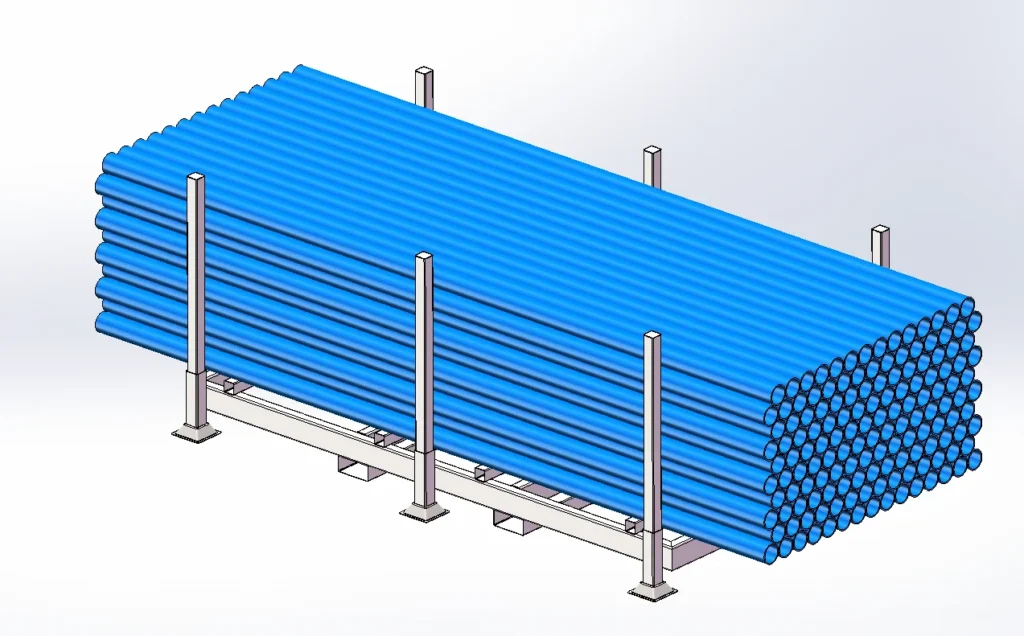
A demountable post pallet is sized by your load — not by a catalogue number. A common single-unit project value sits around 1000 kg; a 4–5 level stack typically reaches roughly 6–8 m total height. Start from 4 posts, add to 6 or 8 for long or heavy loads, and choose Q235 or Q345B steel with the coating your environment needs.
This page is a selection reference. It shows the configuration dimensions we use most often and explains what each choice does. The figures below are typical project values, not guaranteed ratings — the actual load each unit can carry is confirmed per project against your cargo weight, center of gravity, base span, post count and stack height.
Configuration options
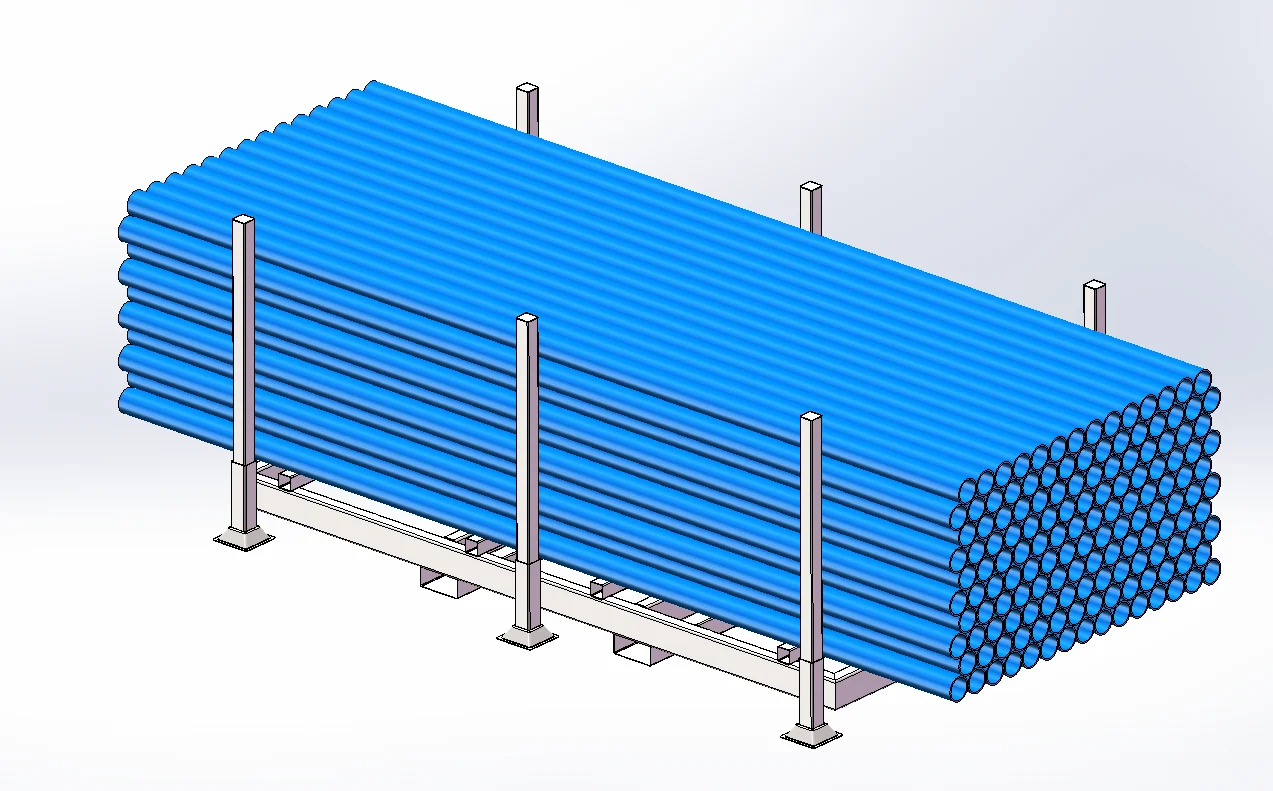
Pick the dimensions that match your cargo and handling. Every line below is a common project configuration; we confirm the final build against your load data.
Base size (footprint)
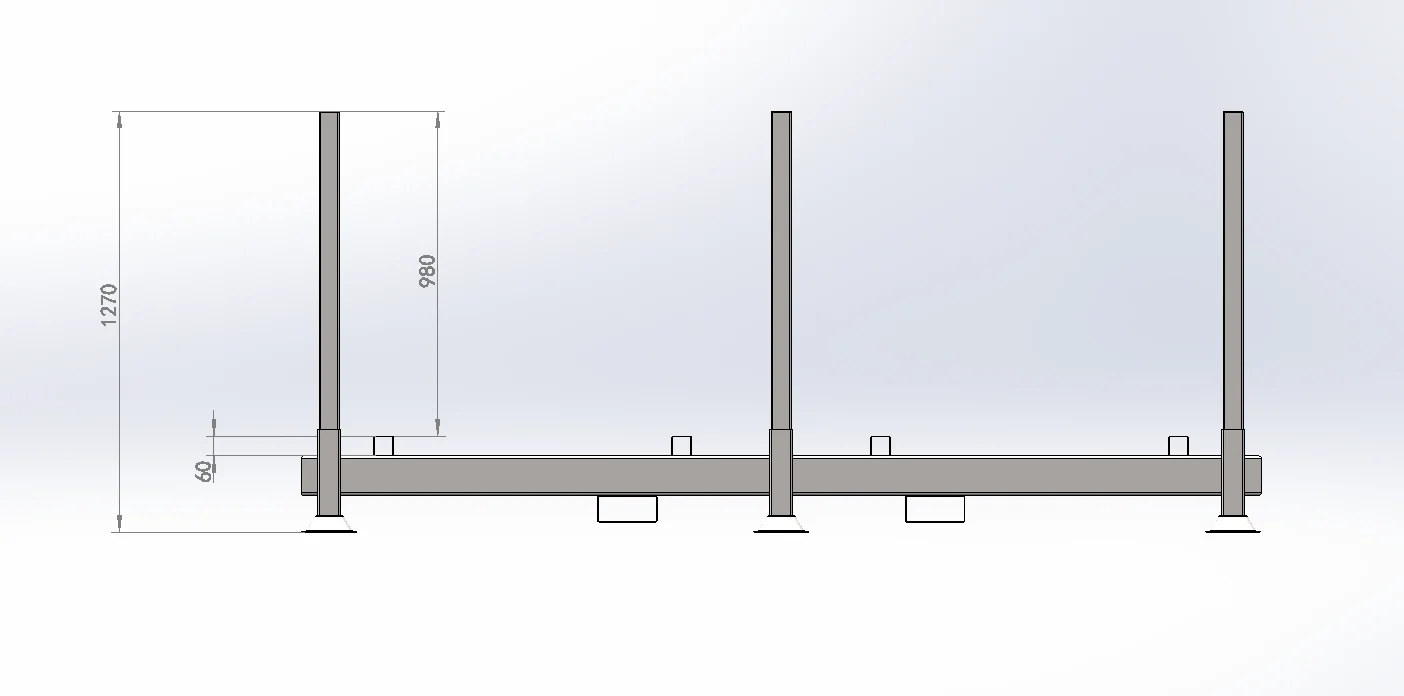
- Reference project size: 3300 × 1200 × 1231 mm — a documented case footprint, not a fixed standard.
- Other common base sizes: 1200 × 1200, 1300 × 1300, 2900 × 1130, 5520 × 1130, 5000 × 1690 mm. Long-item and tube/section projects often use the wider or longer footprints.
- Container-fit width: 1100–1140 mm outer width is the common band for double-row loading in a 40 ft high-cube container. We set the exact width to your truck or container plan.
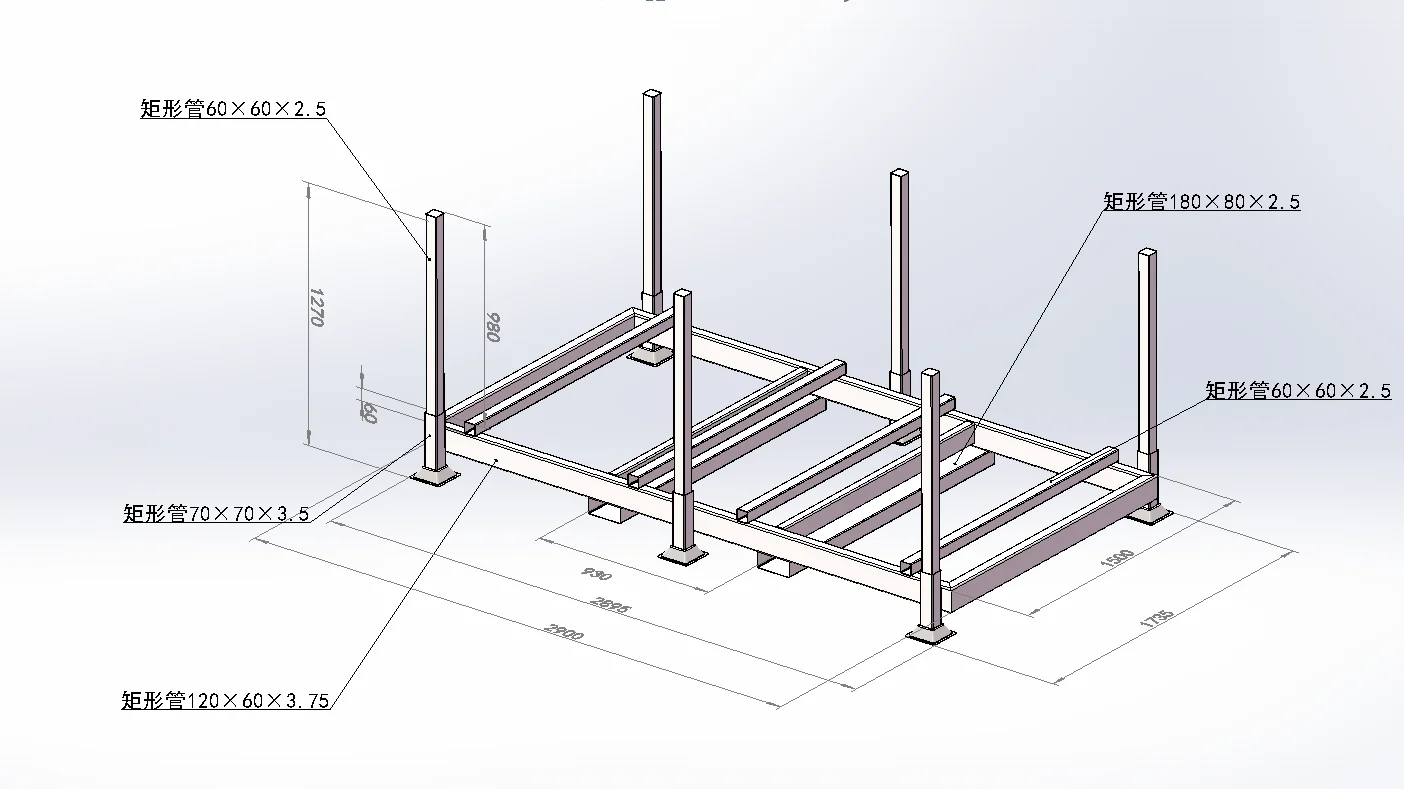
Post count: 4 / 6 / 8
- 4 posts — base configuration. Suits compact, evenly distributed loads on a standard footprint. The default starting point for most unitized cargo.
- 6 posts — reinforced. Added mid posts shorten the unsupported span for longer or less rigid cargo, reducing deflection between posts.
- 8 posts — heavy / long-item. Used for long tubes, sections or wide loads where more support points keep the base from bowing. Post count is decided with the cargo length, single-item weight and span.
Stacking height
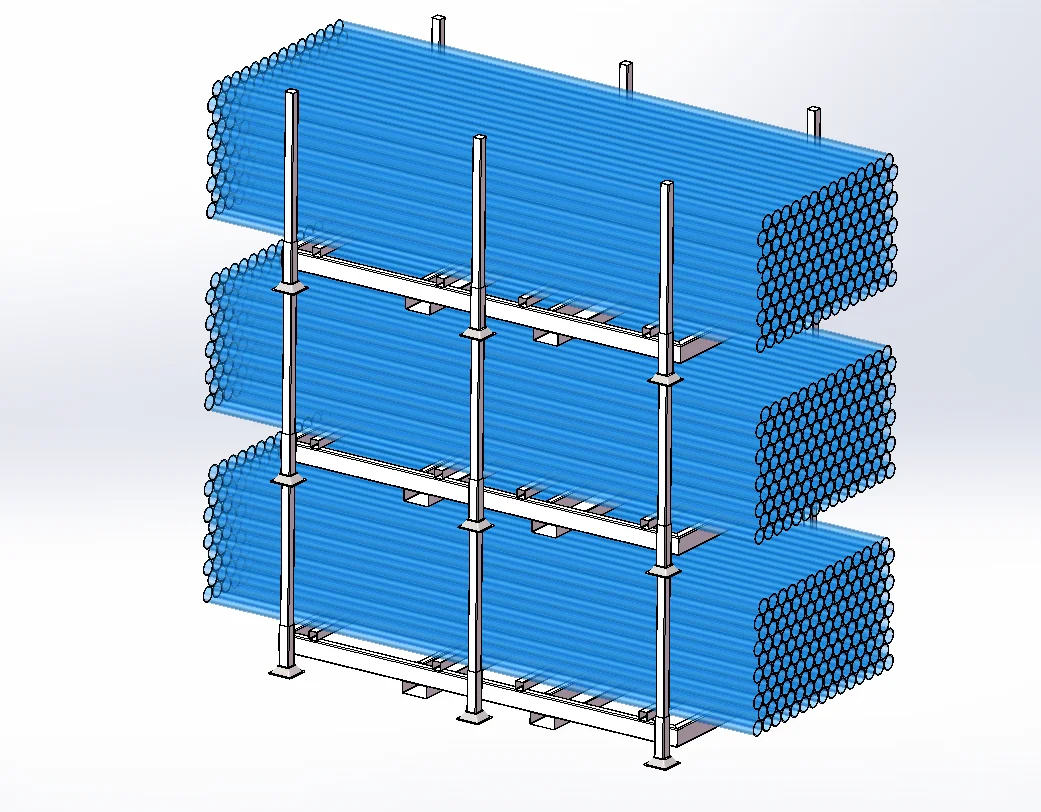
- Common stack levels: 2, 3, 4, 5 levels. A 4–5 level stack typically reaches roughly 6–8 m total height with a standard base — the exact number depends on base height, floor flatness and stability verification.
- Stability rule: a single-level load rating is not the same as a multi-level stack rating. Each added level multiplies the load on the bottom unit, so stack height is always confirmed with the load and locking interfaces.
Material
- Q235 — the common structural grade for general indoor and many outdoor applications.
- Q345B — used where higher strength is required (heavier loads, longer spans, thinner-profile demands). Selected per project.
Coating / surface treatment
- Hot-dip galvanizing — preferred for cold stores, humid areas and outdoor storage; the metallurgical zinc bond does not flake like paint.
- Cold-galvanize + powder coat — combines corrosion resistance with a clean, uniform appearance.
- Hot-dip + powder coat — galvanized base with an additional color layer for appearance and extra protection.
- Coating thickness: common project expressions are >45 μm, >60 μm, or “55 μm and above” — the figure depends on the chosen process and is confirmed per order. We do not treat “galvanized” as a single fixed standard.
When this configuration works — and when it does not
Applicable
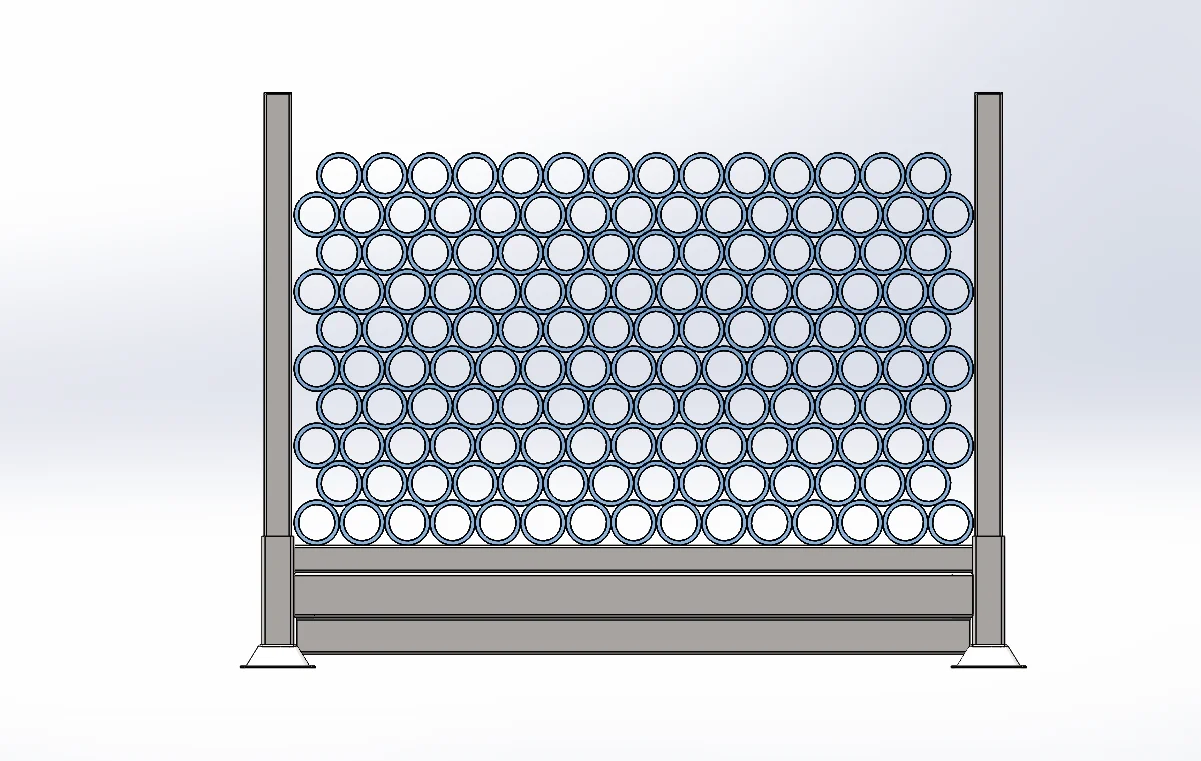
- You move whole racks by forklift and need structural load-bearing, not just a flat pallet.
- Cargo is prone to bottom-layer crushing, moisture or deformation in floor stacking.
- Loads are uniform enough that 4 posts carry them, or long/wide enough to justify 6–8 posts.
- You need a defined stack height (2–5 levels) and a coating matched to the environment (indoor, cold store, outdoor).
- Non-standard sizes are expected — the frame is built to your cargo, not pulled from a fixed catalogue.
Not applicable / check first
- Ultra-long unsupported spans. We do not promise arbitrary over-length capacity; very long items need engineering review for post count and base span.
- Point loads or top-heavy cargo. High center of gravity changes the safe stack height — share the weight distribution before fixing the design.
- Flat single-layer only. If you only ever store one layer and never stack, a simpler pallet may be enough; we will tell you if a post pallet is over-specified.
- Certified ratings required by law. We supply project-confirmed load data, not generic certified ratings. Tell us the compliance context and we confirm what we can document.
How to specify your unit
Send us the load data and we return a confirmed configuration. The more precisely you answer, the tighter the design:
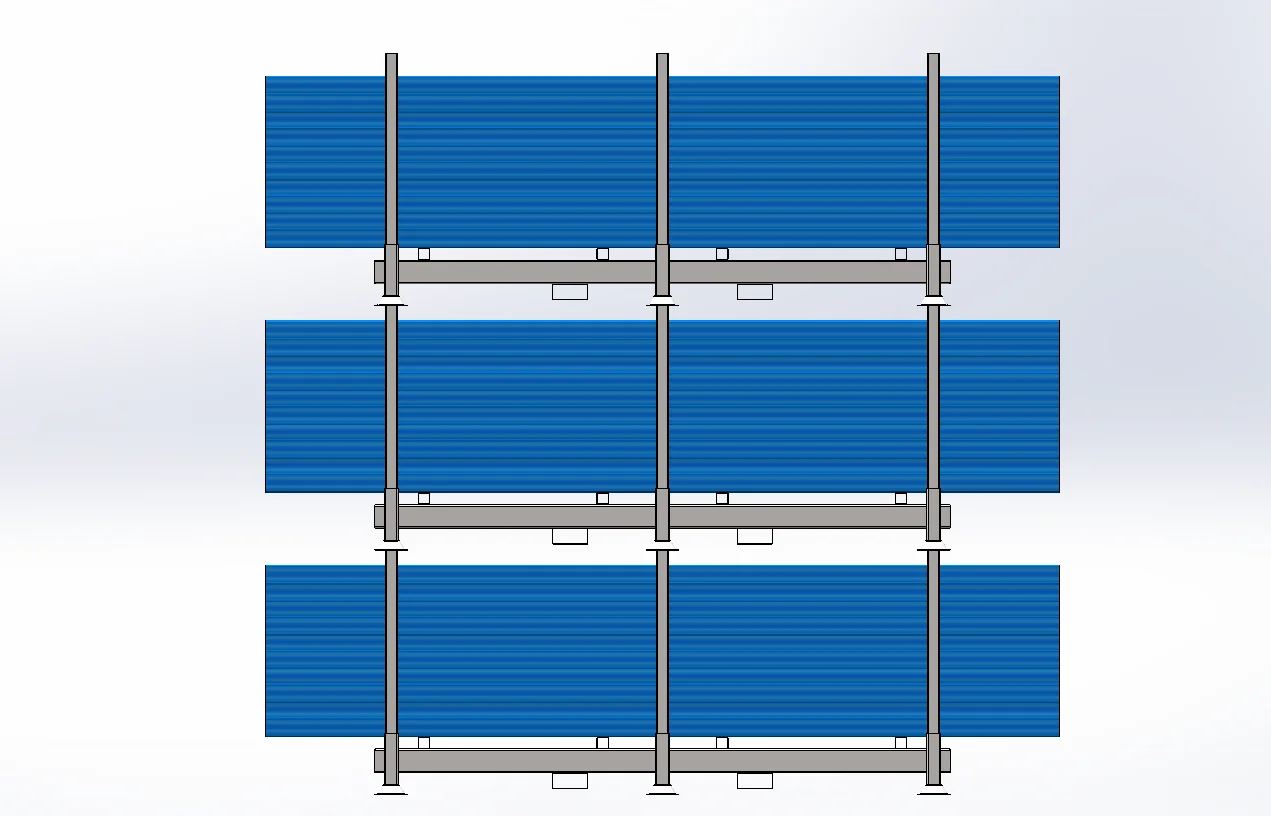
- Cargo shape & size. Dimensions of the unit load; whether it is boxes, drums, tires, tubes or loose items.
- Single-item weight & total load. Per unit and per stacked level.
- Center of gravity. Evenly distributed, or biased to one side / one end?
- Stack levels. How many levels, and short-term周转 or long-term storage?
- Return / nesting need. Do empty racks come back? Expected nesting ratio?
- Environment. Indoor, cold store, humid, outdoor — drives the coating choice.
- Constraints. Rack bay, truck body, container width, or cargo length limits.
- Options. Detachable posts, dividers, fence, special clamps?
From these we set base size, post count (4 / 6 / 8), material (Q235 / Q345B), coating and confirmed load rating. See the core product page for the structural concept:
What is a demountable post pallet? (PDP-01)
Frequently asked
What load can one unit carry?
Documented project values range from about 500 kg up to 5000 kg per unit, but the real number is set per project. It depends on cargo weight, center of gravity, base span, post count and stack height — we confirm it against your data rather than quoting one universal rating.
How many levels can I stack?
Common stacks are 2–5 levels. A 4–5 level stack typically reaches roughly 6–8 m with a standard base. The safe height is confirmed after checking the load on the bottom unit and the locking interfaces — never assume a single-level rating applies to every level.
4, 6 or 8 posts — which do I need?
4 posts is the base configuration for compact, evenly loaded cargo. 6 or 8 posts add support points that shorten the span for long, wide or heavier items and reduce base deflection. Post count follows from your cargo length, single-item weight and span.
What base sizes are possible?
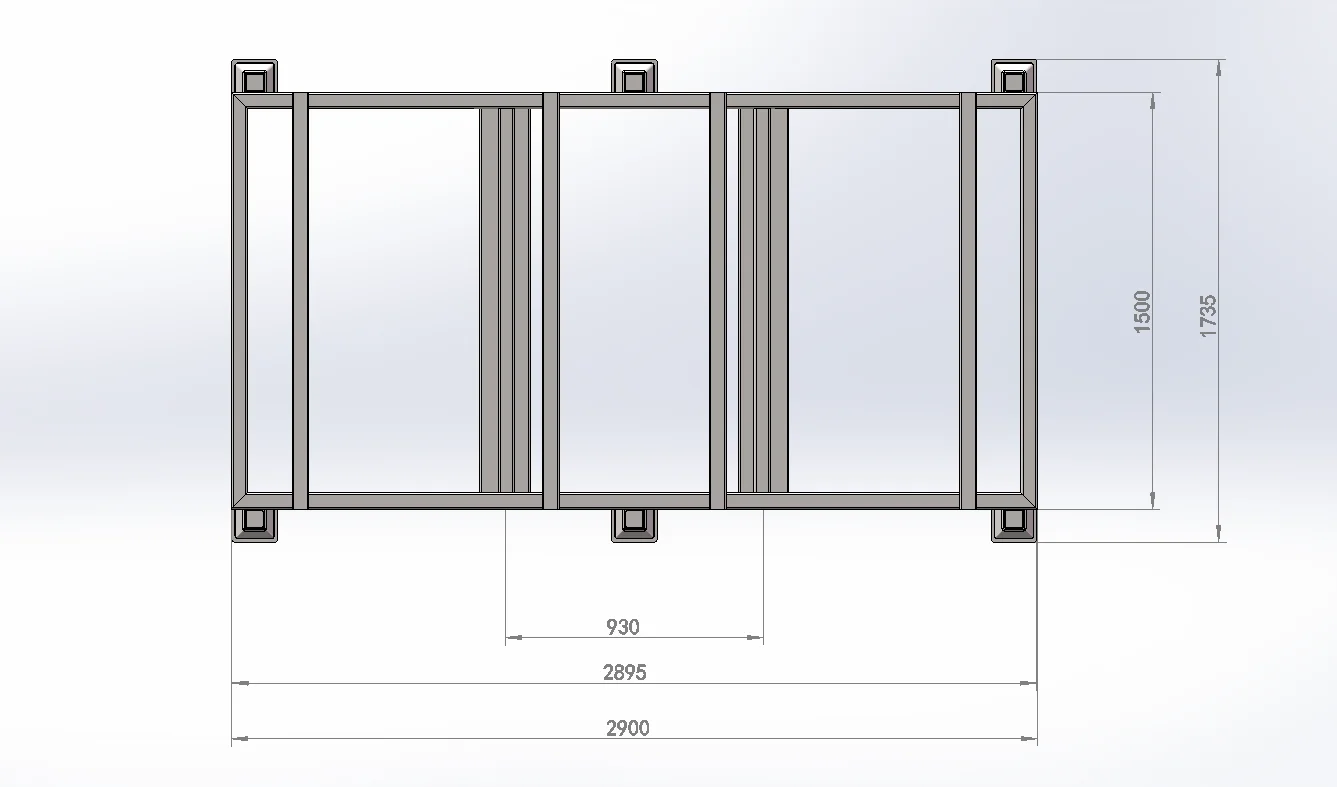
A reference project size is 3300 × 1200 × 1231 mm; other common bases include 1200 × 1200, 1300 × 1300, 2900 × 1130, 5520 × 1130 and 5000 × 1690 mm. Outer width is often set to 1100–1140 mm for double-row container loading. Sizes are built to the cargo, not taken from a fixed list.
Q235 or Q345B, and which coating?
Q235 is the common grade; Q345B is chosen when higher strength is needed. For cold stores, humidity or outdoor use, hot-dip galvanizing is preferred; cold-galvanize + powder coat or hot-dip + powder coat add appearance. Coating thickness (commonly >45 μm, >60 μm or 55 μm+) is confirmed per order — “galvanized” is not one fixed spec.
Can you build non-standard sizes?
Yes. Non-standard dimensions are the normal case, not the exception — the frame is built around your cargo and handling constraints. Share the dimensions and limits and we return a confirmed design.
Get a confirmed configuration
Send your cargo shape, weight and stack plan — we return base size, post count, material, coating and the project-confirmed load rating.