
What Is a Demountable Post Pallet (Derack) and When Should You Use It Instead of Wooden Pallets?
What a demountable post pallet is, how its structural load path protects the bottom layer, 4-5 layer stacking, 75-80% nesting return, galvanizing and TCO vs wooden pallets.
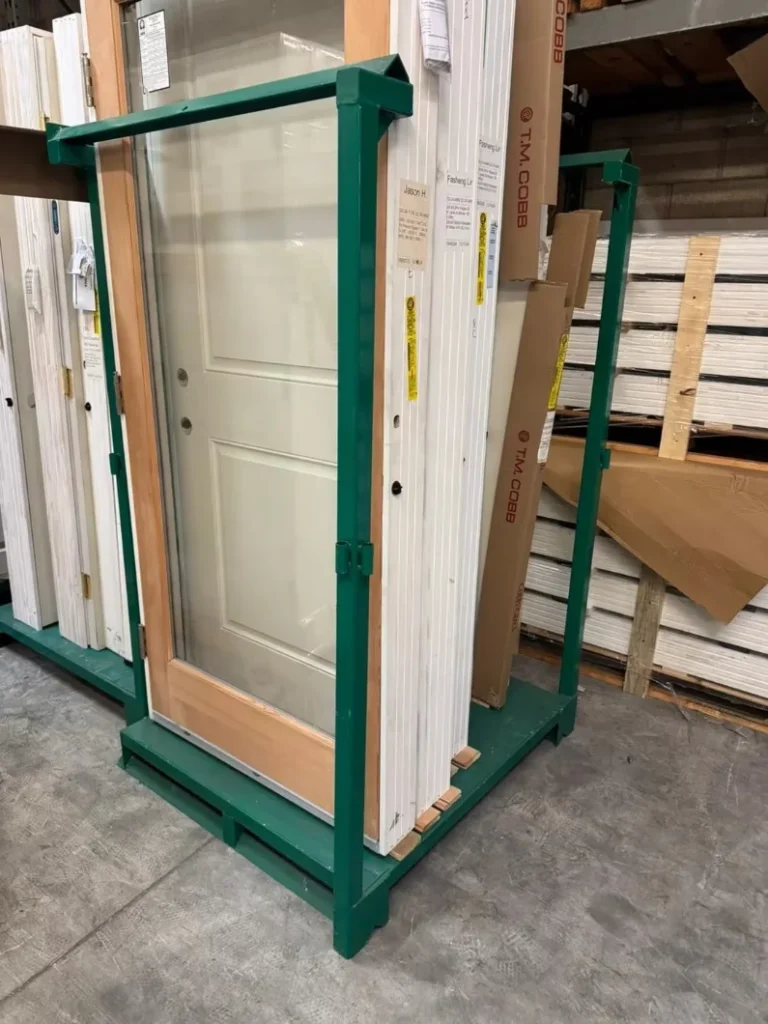
What a Demountable Post Pallet Is — and When to Use It Instead of Wooden Pallets
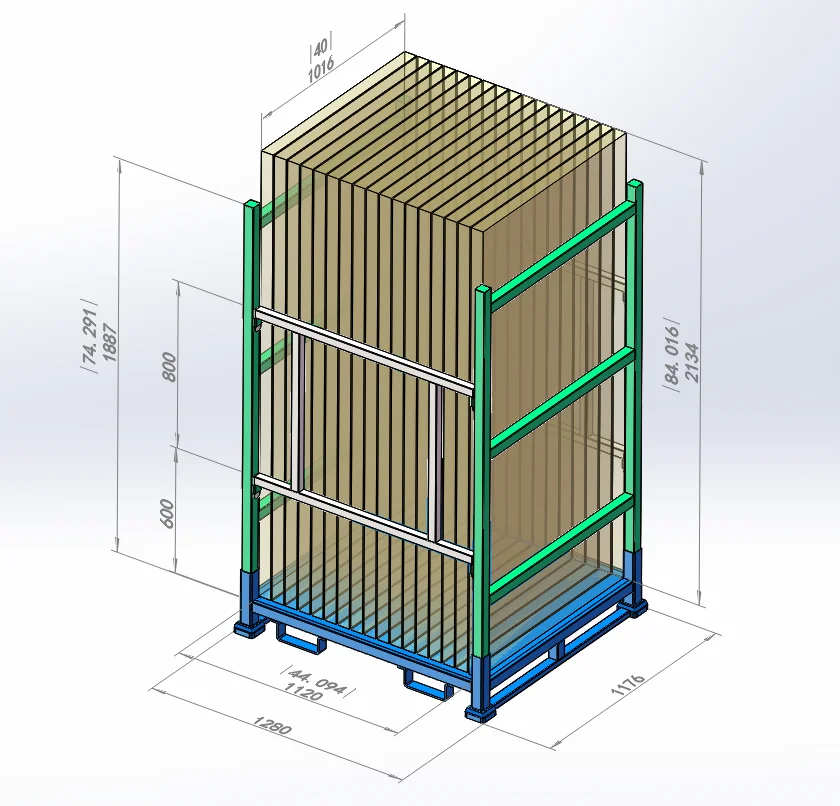
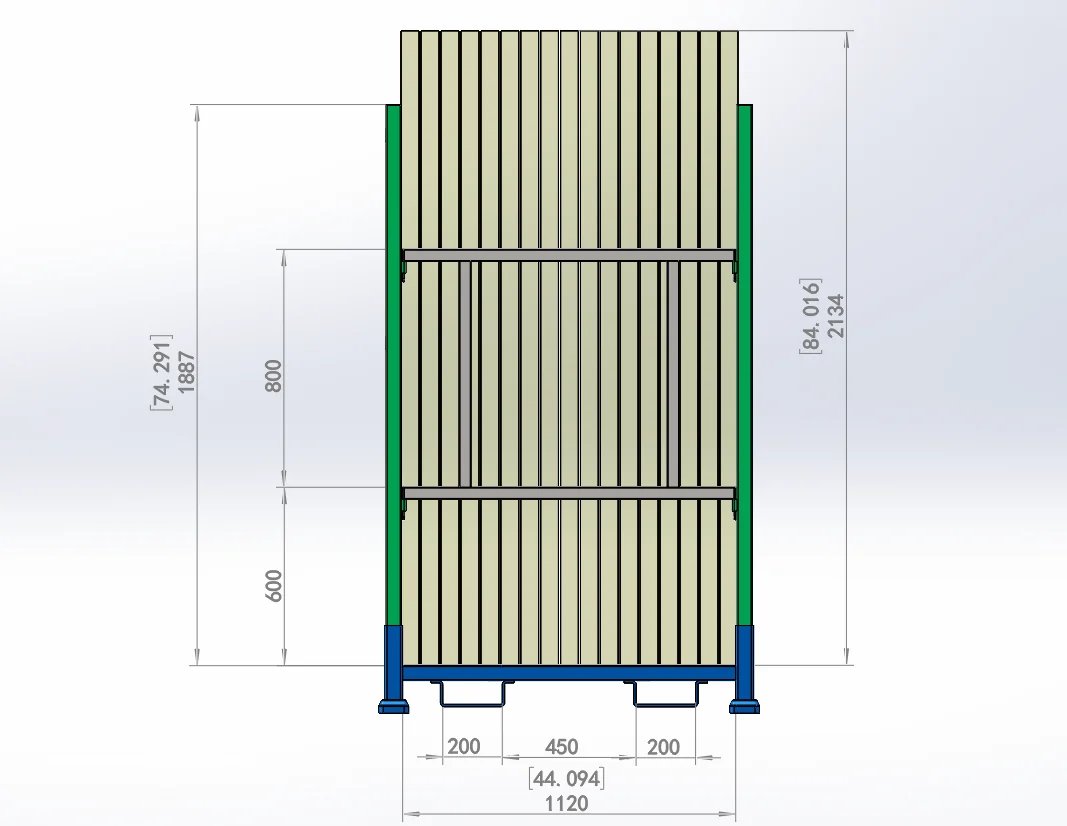
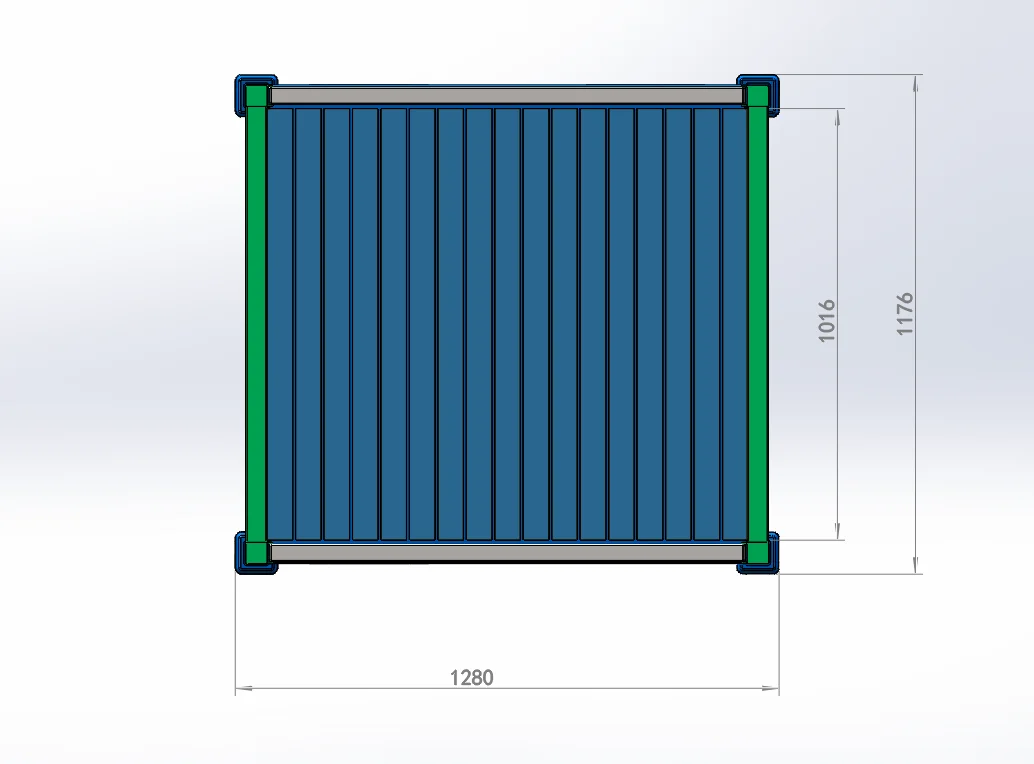
Derack is a structural, returnable steel carrier: a base frame plus removable posts. It transfers the load down through the posts to the floor, so the bottom layer sits at zero compression — then the posts come out and the empty frames nest for return.
A wooden pallet is a flat deck that stacks cargo on top of cargo: every upper tier presses on the tier below, so the bottom layer crushes, settles and traps moisture. A demountable post pallet works the opposite way. The removable posts form a rigid cage; each loaded tier rests on the post ledges, and the posts carry the weight straight to the ground. The cargo at the bottom carries none of the upper load. That single change — from cargo-on-cargo to structure-borne load — is why Derack is used for bagged feed and fermentation stock, tyres, pipe and bar, fabric rolls, cold-chain and export where crush, moisture and quarantine are the real risks. It is not a cheap wooden-pallet substitute and it is not a bolted fixed rack: it is the movable, nestable middle option. For the full stack-rack system see our Derack post pallet and stack rack systems, and for space-constrained 3PL operations our 3PL vertical-density solution.
- Structural load path: upper tiers transfer weight through the posts to the floor, not onto the cargo below.
- Bottom layer at zero pressure — no crush, no settle, no moisture trap for bagged or carton goods.
- Removable posts: one base frame serves many cargo programs; posts detach for compact return.
- Nests 75–80% smaller when empty, cutting backhaul and empty-storage cost.
- Steel body is ISPM 15 exempt — no fumigation, no stamp, no quarantine hold for export.
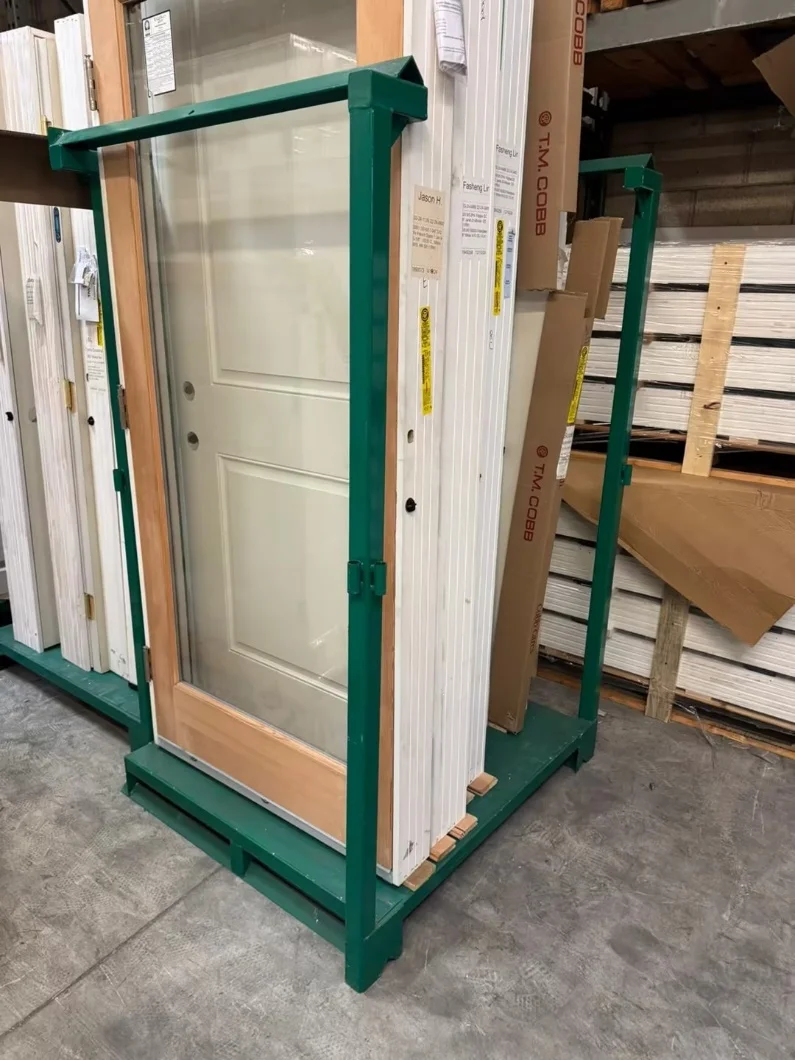
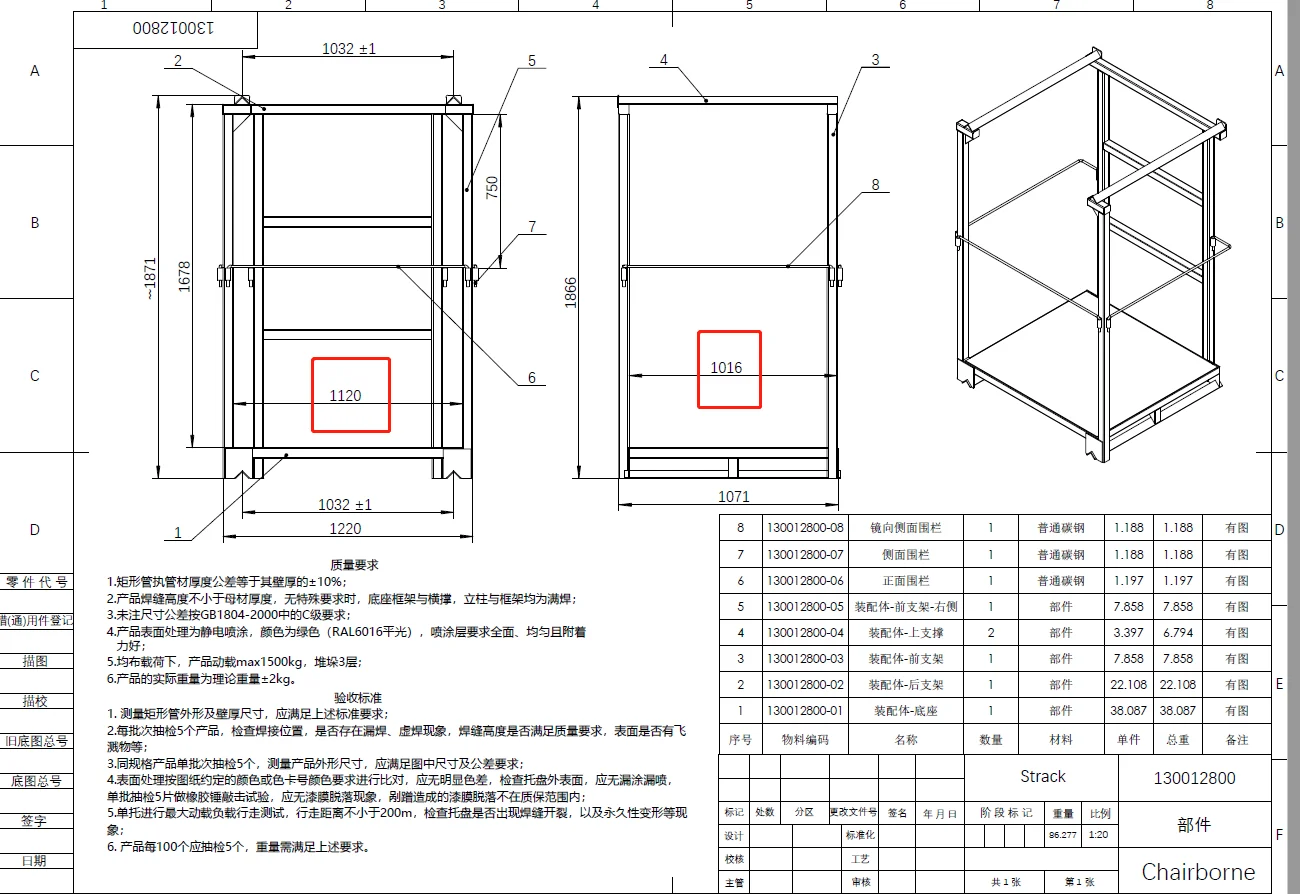
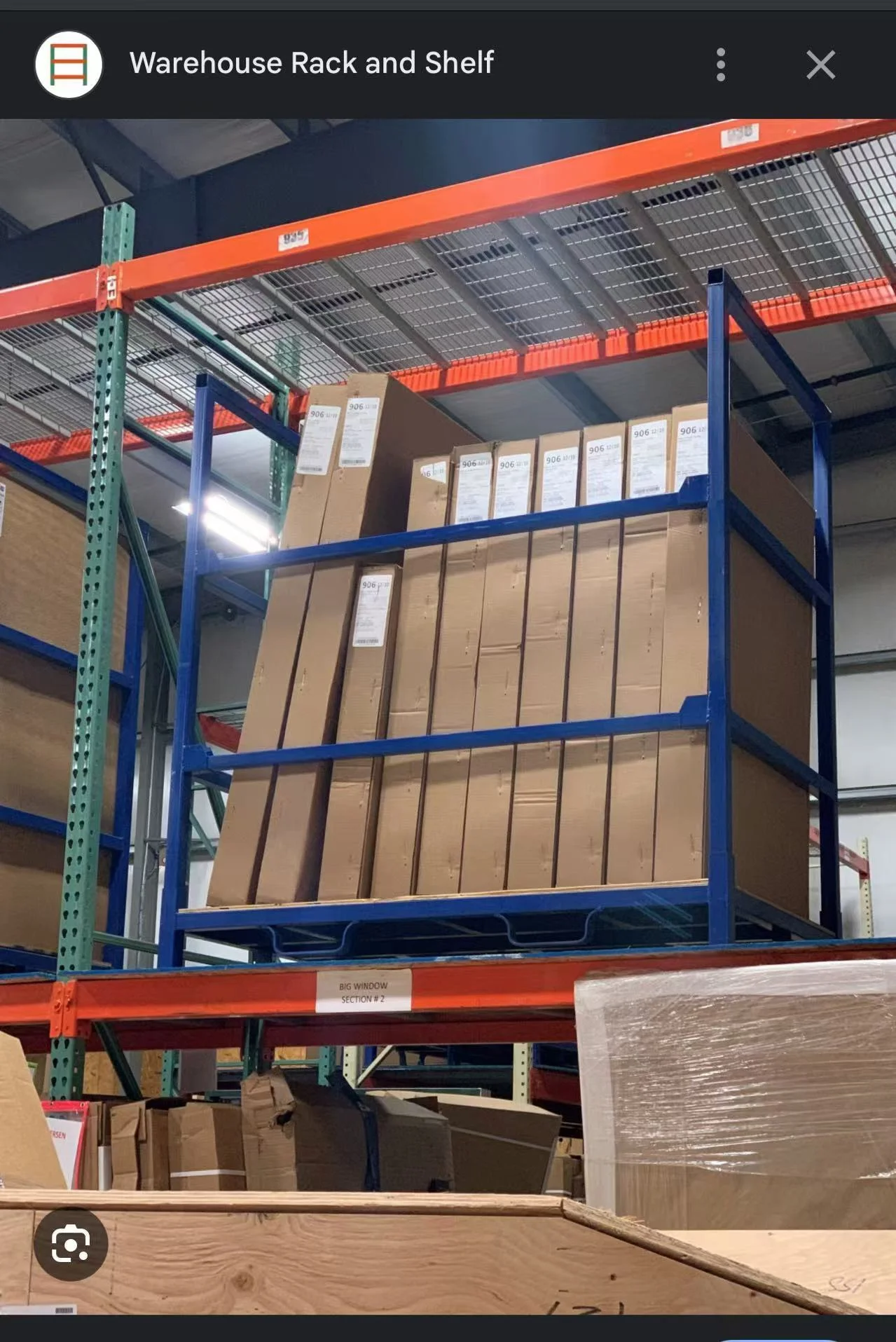
Three common ways to build the same platform
Long-material program
Open structure for long cargo
Use when pipe, bar, profiles or other elongated materials need a clear support path and stable handling route.
Protected cargo program
Side-protected or boxed-material setup
Choose a side-protected version when cartons, bundles or load surfaces need extra containment during turnover.
Base platform only
Minimal frame for return logistics
When the project values return ratio and compact storage more than enclosed protection, the base platform stays simple and nests efficiently.
Why Derack, and when not to choose it
Structural, not cargo-on-cargo
Because the load is borne by the posts, the bottom layer is not compressed. That removes the crush and moisture-trap failure mode of floor-stacked wooden pallets.
Return logistics
Remove the posts and the base frames nest into a compact column. Return-volume saving is typically 75–80%, which is what makes Derack a reusable RTP asset rather than a one-way pallet.
Coating is project-confirmed
Surface treatment is selected per project — hot-dip galvanizing, cold-dip galvanizing, or a composite galvanize-plus-powder route — confirmed against your indoor, outdoor, cold or humid duty.
Know when not to use it
If your only goal is maximum fixed-location selective picking density and you do not need mobility or return nesting, a beam rack can be the better fit (see our selective racking and beam-rack comparisons).
From load case to delivery
Send the cargo data
Share cargo type, dimensions, unit weight, total quantity, stack-height target, and whether the load is pipe, bar, panel, boxed or mixed goods.
Define the structure
We check post count, base span, access path, side protection, surface treatment, and whether the unit must nest after the posts are removed.
Confirm the engineering choice
We align the load case with the correct stacking envelope and finish option, then finalise the project drawing for approval.
Build and support the rollout
After approval, production follows the agreed specification, and the shipment plan is arranged around handling and return logistics.
Questions buyers ask before RFQ
q
a
q
a
q
a
q
a
B2B Racking Structural Engineering Calculator
Input your structural guidelines below. Our math system calculates material deflection, stress bounds, and recommends optimal profiles.
Click Compute to calculate stress factors and display structural drawing recommendations.