🏭 Steelpallet · Directo de Fábrica · OEM Disponible

Rerack Stack Rack Anti-Crush Full Load | Bottom Load Protection
Rerack

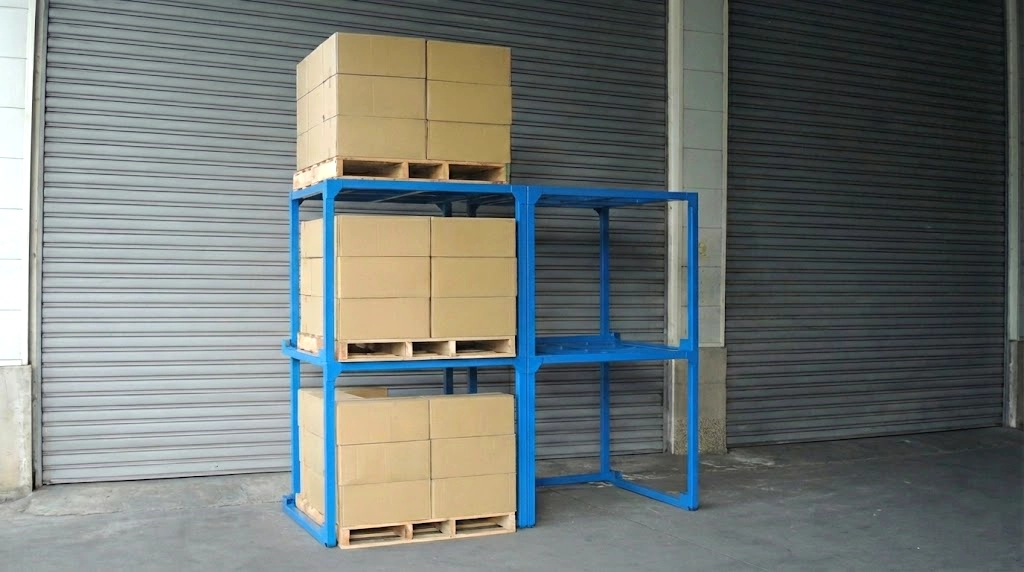
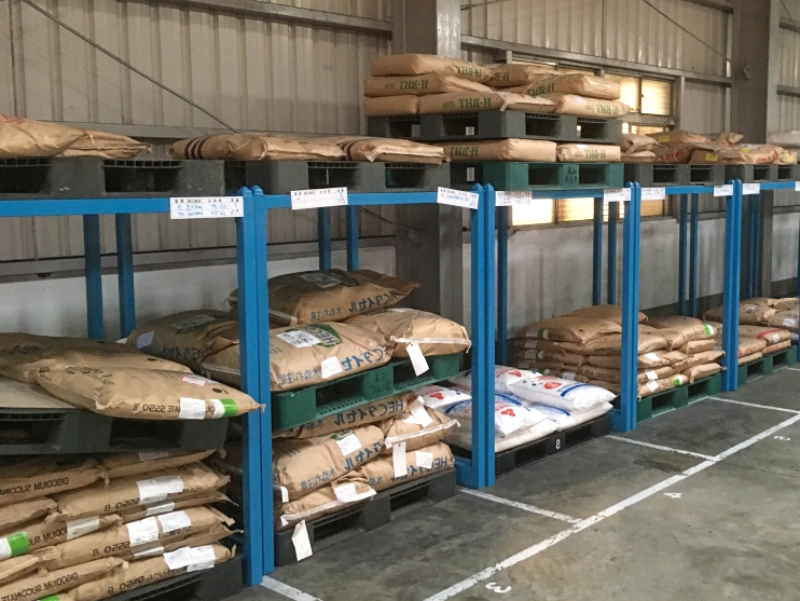
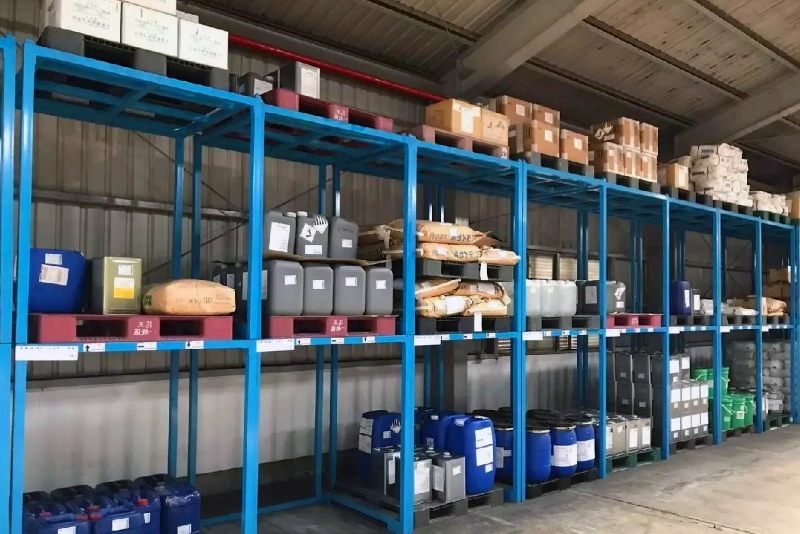
Rerack estantes para tarimas de cartones paletizados, mercancía en sacos y cargas en cajas. Soporte de marco soldado, travesaños alineados a pie, apilado vertical y contención lateral opcional.

100%
Calidad del Acero
Pesado
Clasificación de Carga
Personalizado
Tamaños Construidos
Estante Apilable Rerack Antiaplastamiento de Carga Completa | Protección de Carga Inferior

Carry the load on the frame, not on the floor

For palletized cartons, bagged goods, boxed goods, and wet wipes in cases, Rerack lifts the load path off the floor so the bottom layer does not get crushed and pallet feet are less likely to deform.

Unlike floor stacking, the welded steel frame becomes the load carrier. In a reference configuration, 1100×1100 mm pallets with a total height of 1600 mm and 1000 kg per pallet were arranged in an internal size of 1250×1150×1700 mm, with two racks stacked and three levels of goods. The final load rating is confirmed based on pallet size, single-pallet weight, and stacking pattern; we do not publish a universal load rating here.

  • The welded steel frame transfers weight to the frame structure, not to the bottom cartons.
  • Cross members can be aligned with pallet foot positions to reduce deformation of wooden pallet feet.
  • Vertical stacking turns floor space into multi-level storage without the need for a fixed floor-mounted rack.
  • Add side rails or stop plates when the top layer is tall, bagged, mixed, or prone to tipping.
Send your pallet size and single-pallet weight

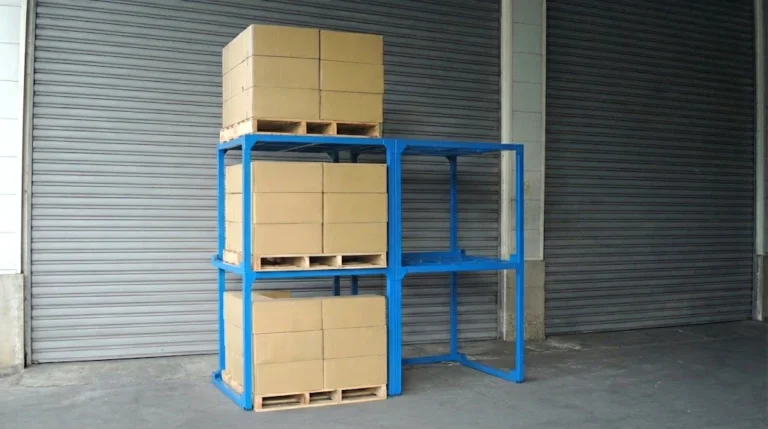
Three practical ways to use Rerack in a compression-sensitive warehouse

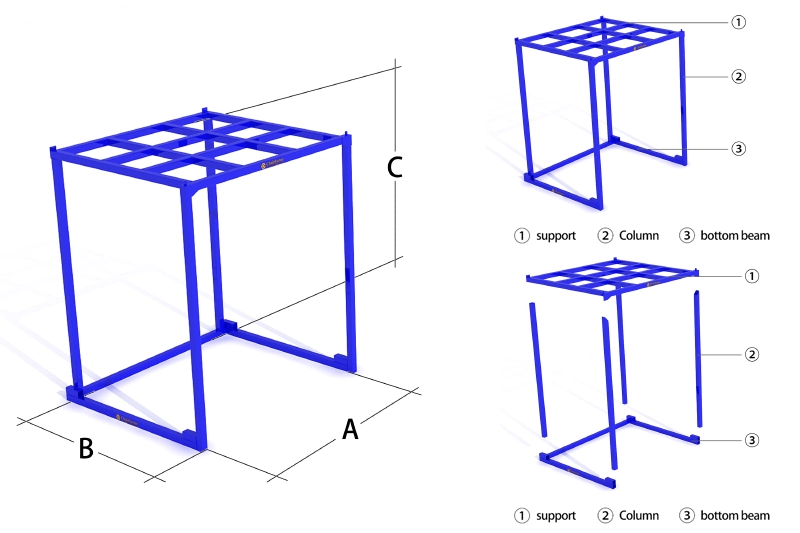
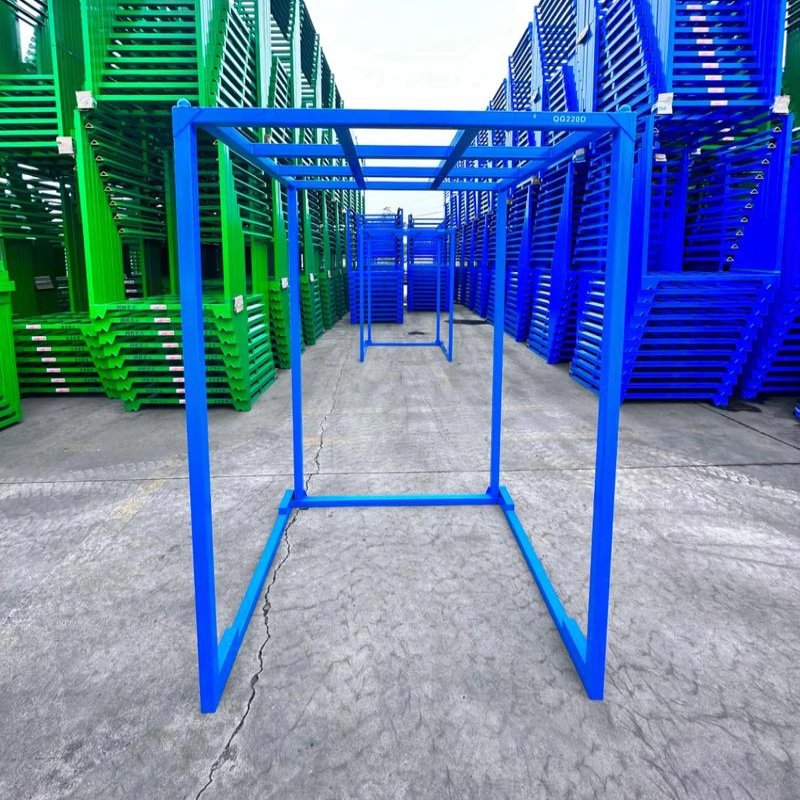
Render 3D de estante apilable de acero azul con columnas desmontables, rejilla superior y vigas base Comparison with floor stacking

Floor stacking

Use it only when the load is self-supporting and the bottom layer can tolerate direct compression. It is simple, but the bottom cartons and pallet feet bear the entire load path.

No rack lifting.

Higher risk of bottom crushing.

Not suitable when pallet feet are already weak.

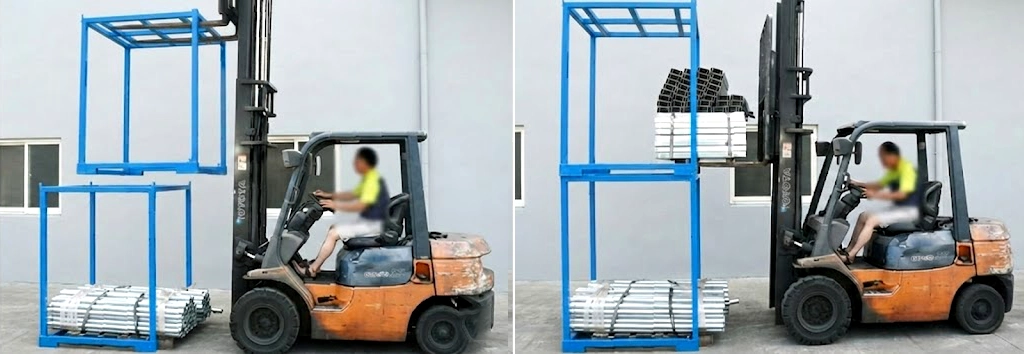
Carretilla elevadora cargando mercancías paletizadas en un estante apilable de acero soldado azul, con estantes vacíos anidados debajo para almacenamiento compacto Aligned cross members

Rerack with cross members aligned with feet

This is the primary option for wooden pallets and other pallets with feet. Place cross members at pallet support points so the load enters the steel frame instead of bending the pallet feet.

Ideal for palletized cartons, bagged goods, and stable box loads.

Supports vertical multi-level storage.

Project load and stacking height are confirmed based on configuration.

Bastidores apilables de acero tubular soldado de servicio pesado azules anidados al aire libre para almacenamiento de mercancías paletizadas. Top load protection

Side rails or stop plates for unstable top layers

When the top layer is tall, soft-sided, or mixed, add side rails or a stop plate. This keeps the load centered and reduces the risk of tipping or shifting during stacking and forklift handling.

Recommended for tall cartons, bagged goods, buckets, and mixed pallets.

Use containment when the top layer may tip or slide.

Do not assume all loads can be stacked without restraint.

Four reasons why the rack protects the bottom layer

1

Rack load, not floor load

The welded structure supports the stack, so the bottom load is not forced to absorb all the static pressure from above.

2

Cross members match pallet feet

When cross members are placed under pallet support points, wooden pallet feet are less likely to twist, split, or collapse.

3

Vertical space becomes usable

Rerack allows you to stack upward in layers, so one floor area can hold more palletized load without installing a fixed rack line.

4

Containment can be added where needed

If the top layer is easy to tip, specify side rails or a stop plate before production. Stable loads can work with an open rack.

Send load data and we will design the layout

1

Pallet size and foot arrangement

Share the pallet footprint, foot positions, and whether it is wood or plastic. This determines the cross member layout.

2

Single-pallet weight and load shape

Tell us the weight per pallet and whether the load is cartons, bags, buckets, or mixed. This drives rack construction and containment choice.

3

Stacking layers and handling route

Confirm how many racks and how many layers you want to stack, plus whether the rack will remain indoors, in temporary storage, or in cold storage.

4

Choose the safe option

We will adapt the rack, cross members, and side protection to the actual load rather than forcing a single load rating.

Common questions about full load anti-crush stacking

Can Rerack replace floor stacking in all cases?

No. If the load is already self-supporting and does not need to preserve pallet feet, floor stacking may still be acceptable. Rerack is the best choice when bottom crushing and pallet foot deformation matter.

Do you publish a universal load rating?

No. The final load rating is confirmed based on pallet size, support point position, load weight, and stacking configuration. That is the only safe way to quote a compression-sensitive project.

When should I add side rails or a stop plate?

Add containment when the top layer is tall, bagged, mixed, or prone to tipping. If the stack can shift, it should not be left with an open rack.

Which reference pages should I review next?

For related purchasing paths, review PDP-01, PDP-05, BLOG-01, and BLOG-05, then send your load data so we can design the appropriate crush protection configuration.

Solicitar Detalles de Precios


    Solicitar Lista de Cotización

    Su lista de solicitudes de cotización está vacía.

    Desbloquear Planos de Proyecto Profesionales

    Por favor, proporcione su información de contacto comercial para recuperar los planos CAD/DWG originales y los cálculos de ingeniería.