
Can a Galvanized Steel Pallet Rack Pass a HACCP Cold-Store Audit?
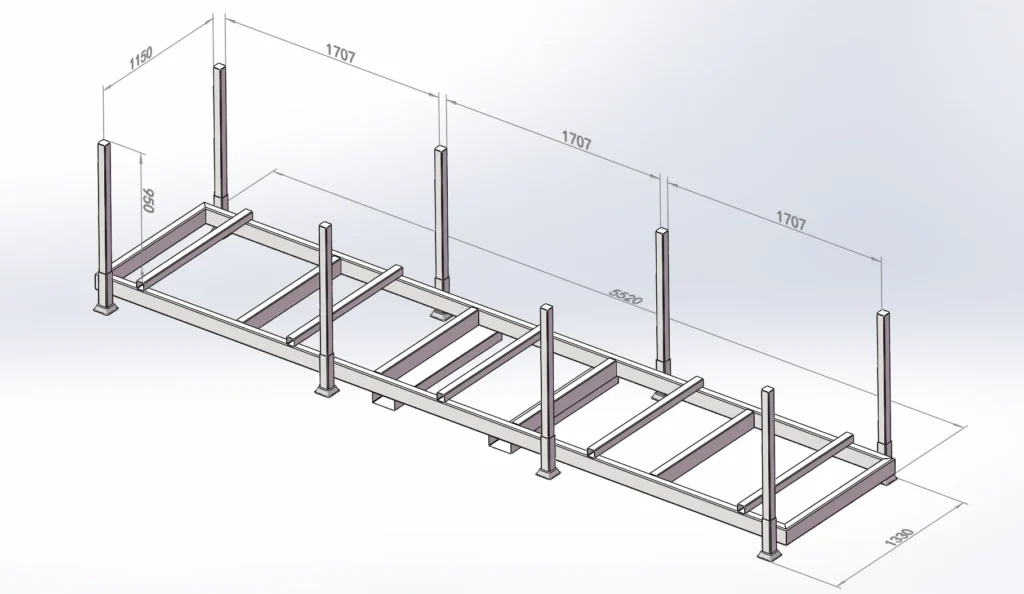
Galvanized Steel Pallet Racks That Hold Up in Cold Stores and Food Audits
When your QA team walks a cold store or a food / feed processing floor, the storage rack itself is part of the audit. Wood pallets grow mold, painted steel sheds rust under condensation, and trapped moisture becomes a hygiene risk. The Derack demountable post pallet is built around two ideas that matter in those environments: a full-immersion hot-dip galvanized surface that protects the steel instead of merely coating it, and an open grid base that lets cold air pass through instead of pooling under the load.
Three-second version: full-immersion hot-dip galvanizing gives cathodic protection that does not flake off; the grid base lets cold air circulate and prevents condensation traps; the smooth steel surface is washable with a pressure washer. That combination is what makes a rack “audit-friendly” on a cold-store or food-grade floor.
Why cold stores and food plants rust and mold in the first place
- Condensation on temperature swings. Moving goods between ambient docks and sub-zero rooms creates repeat freeze–thaw cycles. Water settles on surfaces and, if it cannot drain or dry, it starts corrosion.
- Wood absorbs and harbors. Wooden pallets soak up moisture, splinter, and become a breeding ground for mold and bacteria — a recurring HACCP / GMP pain point.
- Painted steel fails from the inside. A paint film is only a cover. One scratch plus condensation, and rust creeps under the coating, then the paint peels and contaminates the area.
- “Warm, wet pockets” from floor stacking. Goods piled on the floor block airflow, creating local microclimates where microbes stay active.
This page covers what the Derack system does about each of those, which configurations suit a cold store versus a dry food line, and — importantly — what it does not claim. We describe the process and structure that make a rack easier to pass a hygiene audit; we do not issue the audit certificate ourselves.
Configurations for Cold-Store and Food-Grade Use
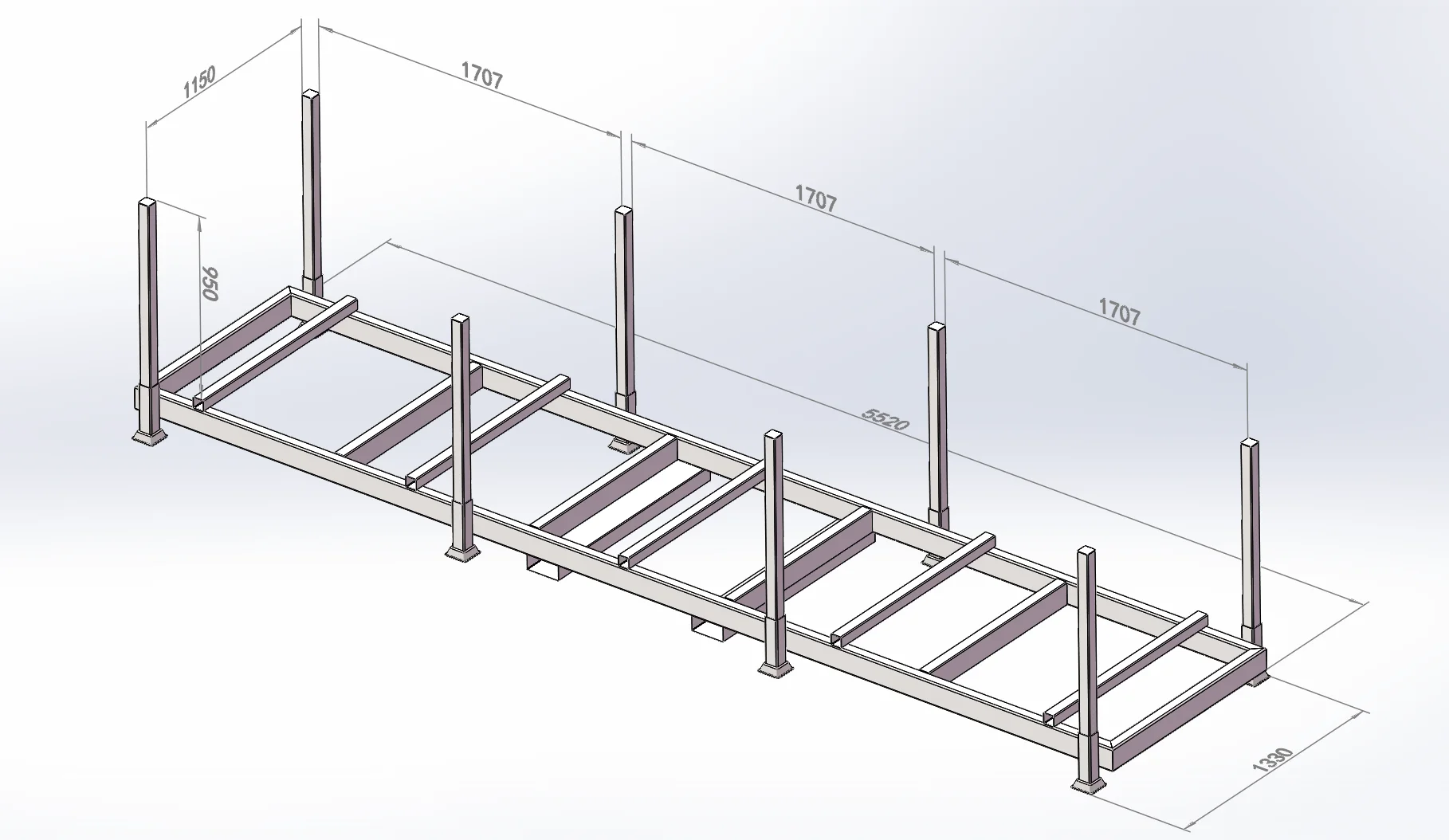
The post pallet is a configurable carrier, not a single fixed SKU. The options below are the levers that matter for hygiene and corrosion resistance. Exact column count, base type, and coating thickness are confirmed per project against your load, environment, and local audit expectations.
Surface treatment
- Full-immersion hot-dip galvanizing (recommended for cold stores, wet and outdoor areas). The steel is dipped so zinc bonds metallurgically with the base metal. Typical specified coating thickness is >60 μm on common projects, though the exact figure is set by your drawing / purchase contract — some specifications read >45 μm or “55 μm and above.” Do not treat any single number as a universal standard; confirm it for your order.
- Cold-zinc + powder coat. Used where appearance matters alongside protection. Still a coating, so it carries the same scratch-and-creep risk as any paint system in harsh humidity.
- Galvanize-then-powder (composite). A composite route for sites that want both corrosion depth and a colored finish. Confirm repairability of the top layer after handling damage.
Base type
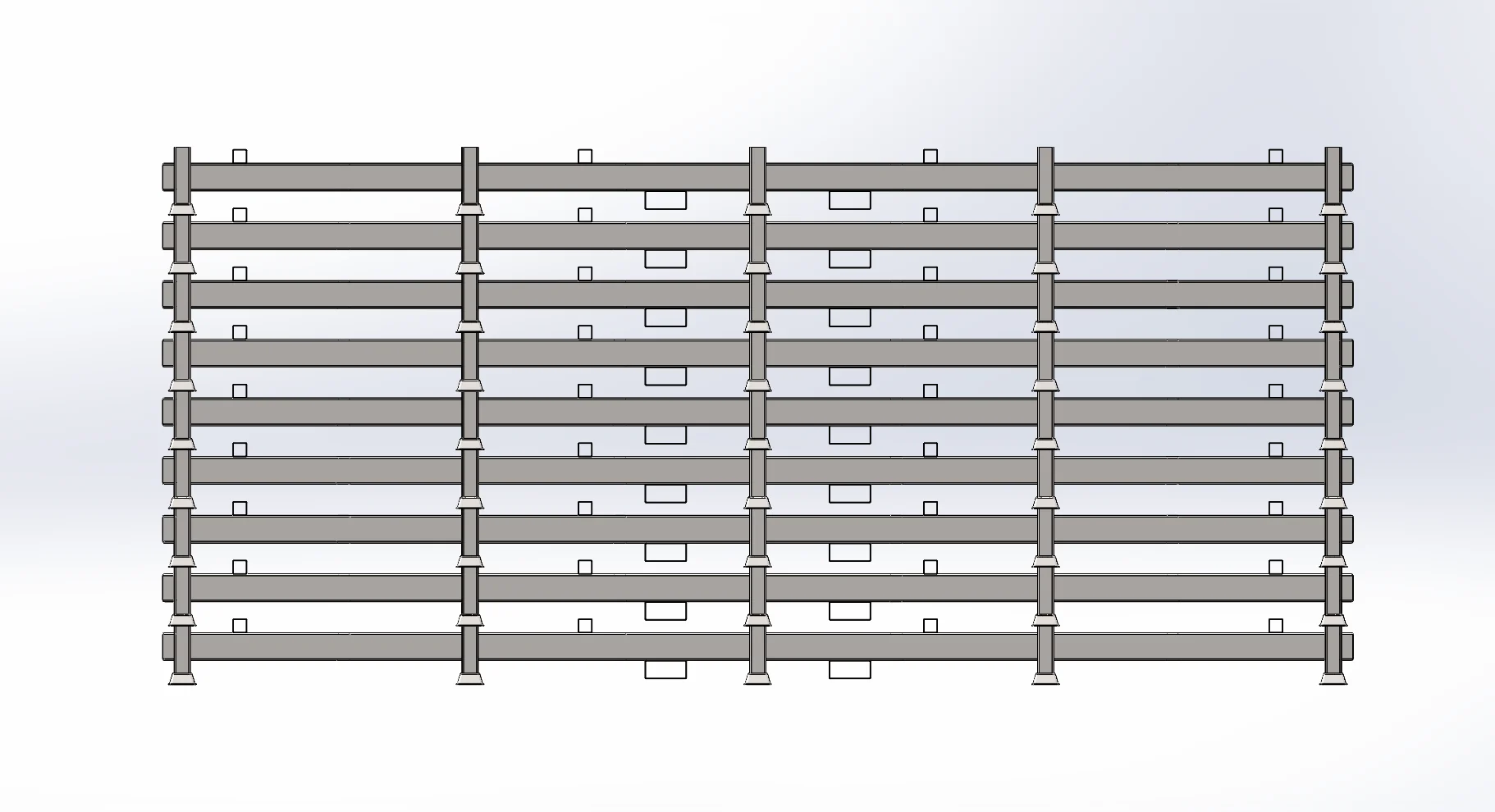
- Open grid base (default for cold stores / food lines). Air and cold air pass straight through; the load is held above any standing water; there is nowhere for a “warm, wet pocket” to form.
- Solid / deck base. For small, loose, or fine items that would fall through a grid. Note it traps less airflow, so drainage and cleaning discipline matter more.
Column count (4 / 6 / 8)
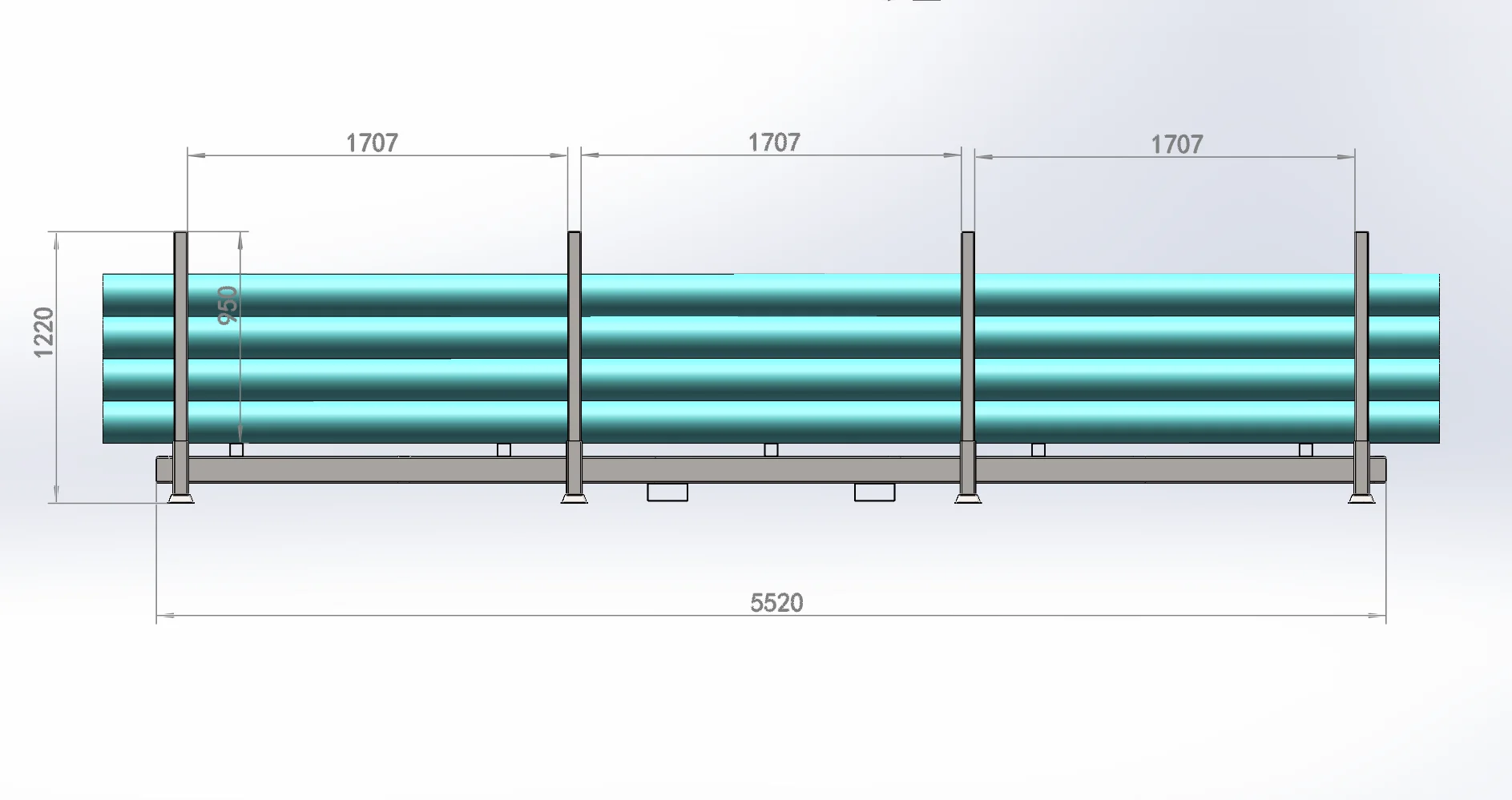
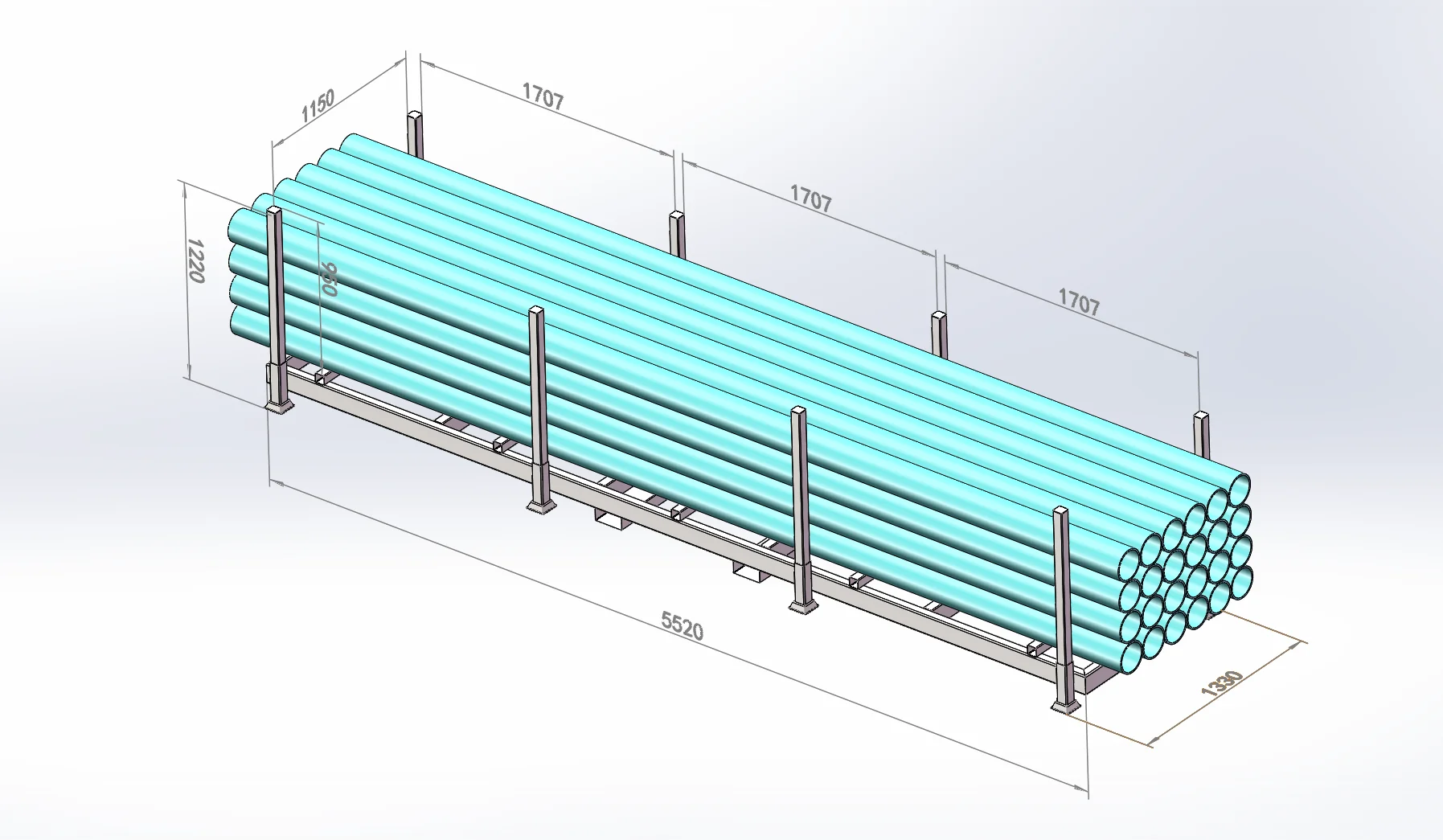
Column count is chosen by load shape, single-unit weight, and stacking height — not by a fixed rule. Long or flexible goods use 6- or 8-post variants to shorten unsupported spans. For a cold store the column decision is driven by your product, not by the temperature.
Applicable vs. not-applicable
- Well suited: cold-chain and freezer storage, food / feed / fermentation material handling, moist or outdoor yards, sites under HACCP / GMP / hygiene audits, batch-driven plants that reconfigure often.
- Less of a fit: ultra-long or flexible goods that need specialized spanning (see the long-pipe rack variant), or buyers who only need a cheap one-way dunnage and will not calculate lifecycle cost. It is a durable asset, not a disposable pad.
Why Galvanizing and a Grid Base Beat Paint and Solid Floors
Galvanizing vs. paint: protection versus a cover
- Metallurgical bond, not a film. Hot-dip galvanizing fuses zinc into the steel surface. It does not sit on top waiting to be scratched off.
- Cathodic (sacrificial) protection. At a cut or scrape, the surrounding zinc continues to protect the exposed steel. A painted surface offers no such self-defense — rust starts at the breach and spreads underneath.
- No flaking into the product zone. Paint that peels in a freezer becomes a physical contaminant risk. A galvanized surface stays integral, which is the property auditors look for.
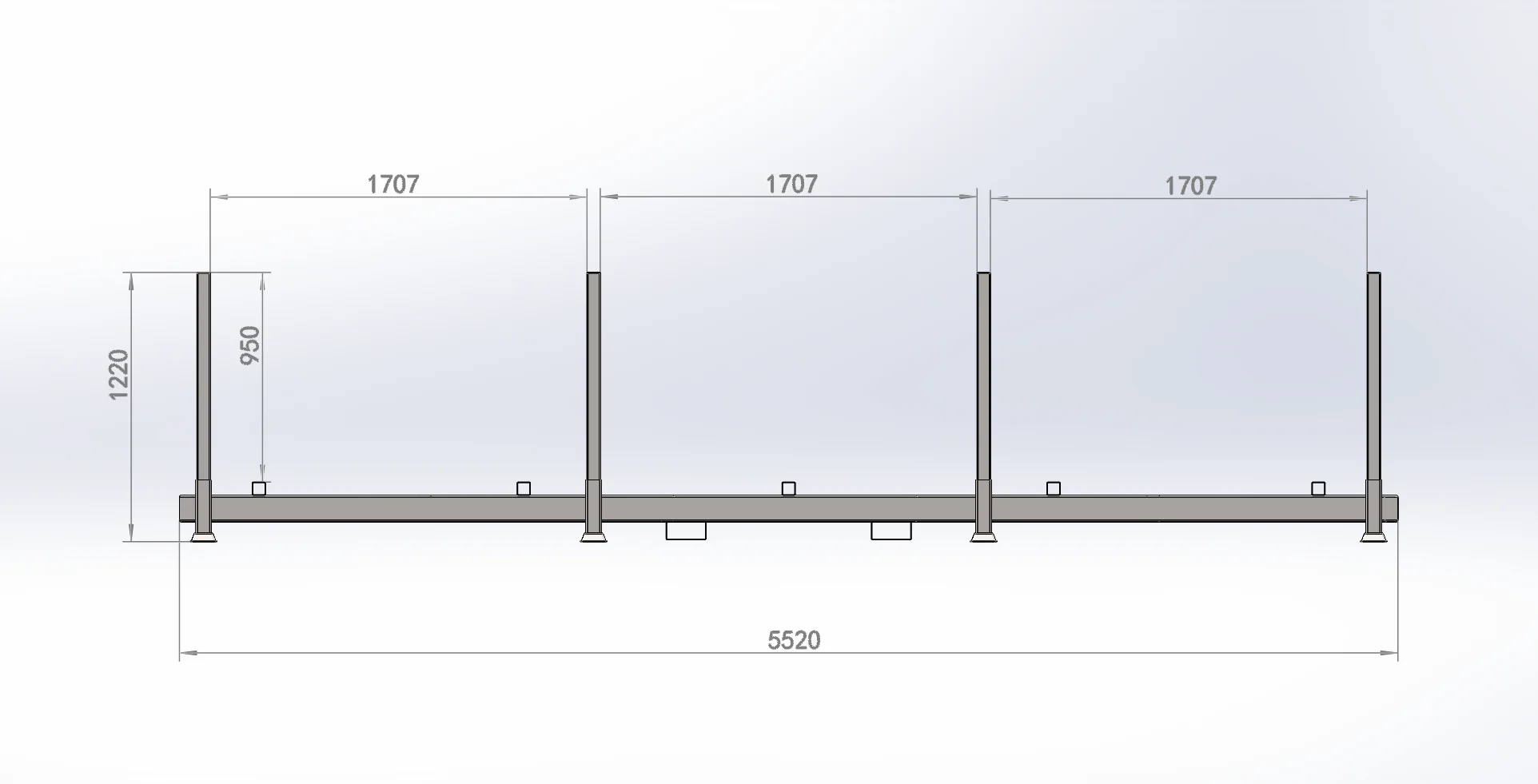
The grid base breaks the condensation trap
- Cold air moves through the load instead of stagnating beneath it.
- Goods are held above any floor moisture, so they do not sit in a puddle after a wash-down.
- Fewer dead-air zones means lower local microbial activity versus floor stacking.
Washable by design
The all-steel galvanized surface is smooth with no wood grain, no absorbent fibers, and no seams that trap debris. It can be cleaned with a high-pressure washer, and where the protocol requires it, with steam. There is no hidden cavity for bacteria to colonize.
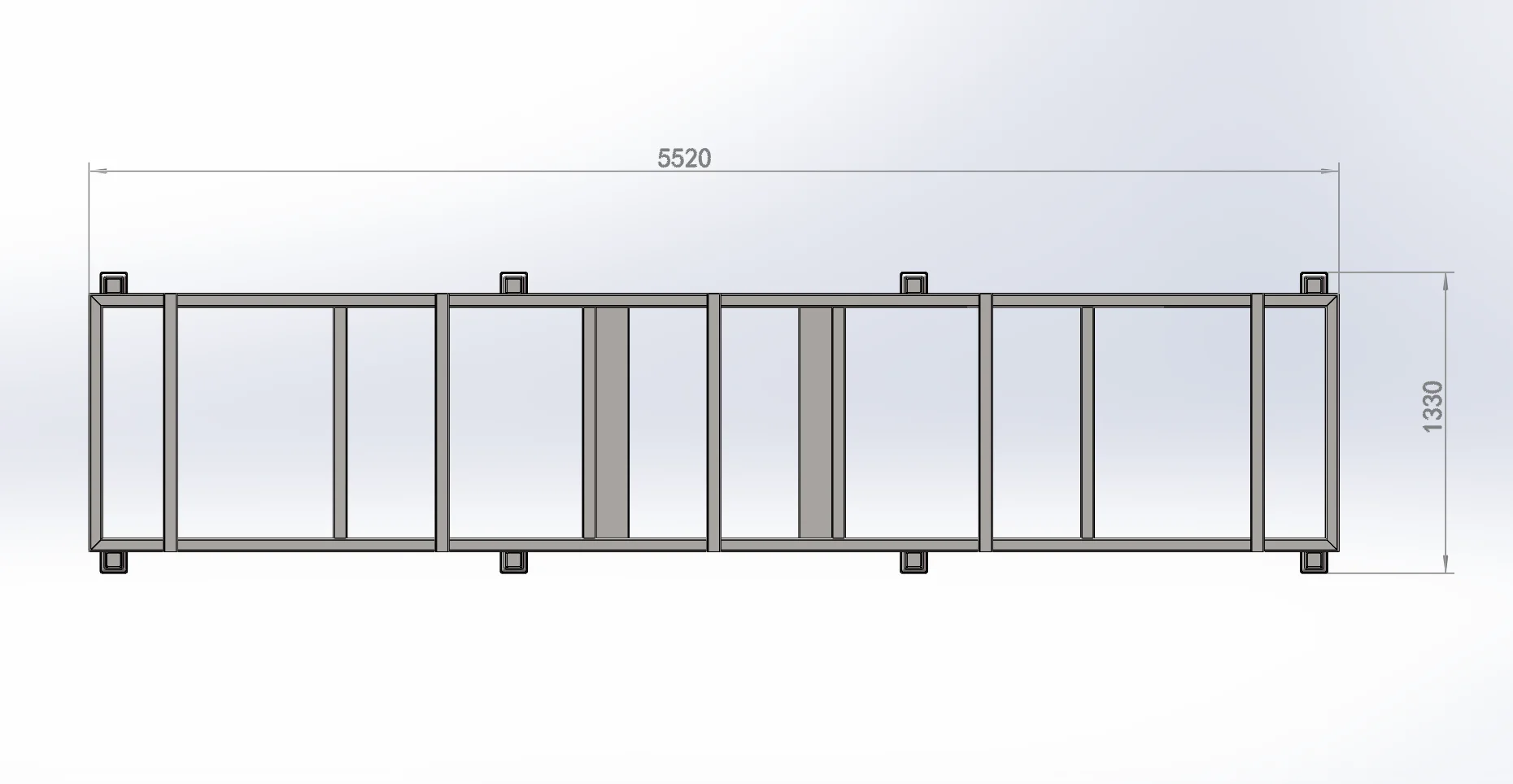
How to Specify, Clean, and Stack It
Specifying the right variant
- Name the goods. Frozen food cartons, bagged feed / flour, fermentation material, or mixed totes?
- State the environment. Freezer, chilled room, ambient food line, or outdoor yard — this drives the surface treatment.
- Give the load. Single-unit weight, total load, and center of gravity set the column count and base.
- Confirm coating thickness. Tell us the spec you need (commonly >60 μm hot-dip, but confirm per contract).
- Note handling. Forklift in/out, container double-row loading, and stacking layers.
Cleaning on the floor
- Rack can be washed in place with a pressure washer; the grid base sheds water immediately.
- For tighter hygiene zones, steam cleaning is viable on the bare steel surface.
- Because there is no wood or paint to saturate, dry-down is fast and re-contamination risk stays low.
Moving and stacking
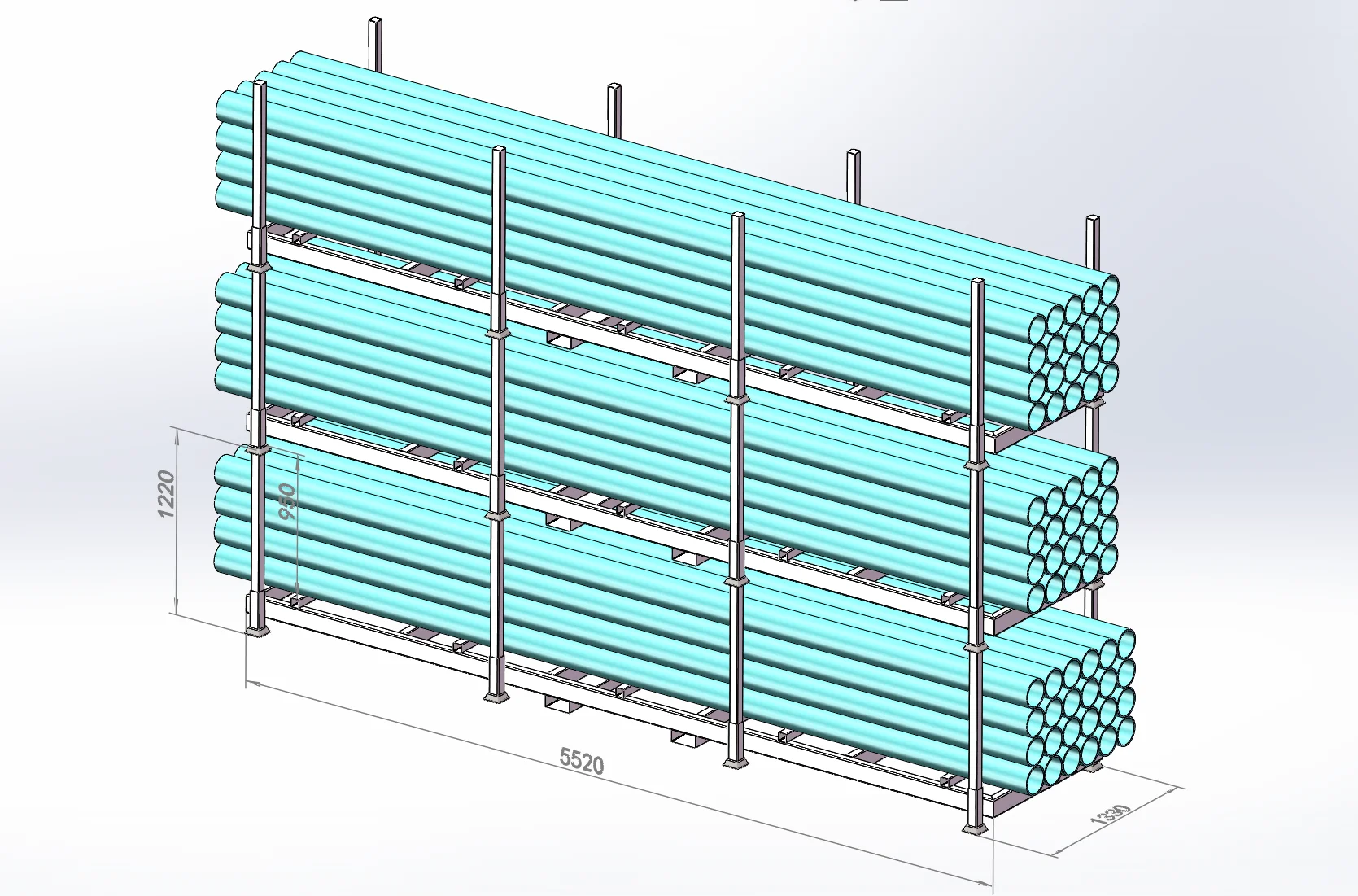
Posts are demountable and the unit needs no bolt-down to the floor. Forklift picks it up as a whole rack — with or without load — and stacks 4–5 levels using the self-centering cup-feet. Empty frames nest after post removal to cut return freight, the same as the standard Derack carrier.
Cold-Store Audit Questions, Answered Honestly
Will it pass a HACCP / GMP audit?
We do not issue the audit or certify your site. What we can state is how the design supports one: no wood (so no mold substrate and no ISPM-15 baggage), no paint film to flake into the product zone, a galvanized surface that resists corrosion in condensation, an open grid that prevents “warm, wet pockets,” and a smooth steel face you can pressure-wash. Those are the structural and process reasons a rack is easier to clear — your QA team still runs the actual audit against your standard.
How does galvanizing actually protect the steel?
Full-immersion hot-dip galvanizing bonds zinc to the steel and adds sacrificial (cathodic) protection. In a cold store where condensation is constant, that matters more than a paint film, which fails from a single scratch. Coating thickness is specified per project — >60 μm is a common target, but confirm the exact value in your order.
Why not just use a painted steel rack?
Paint is a cover. Under freeze–thaw and condensation it eventually blisters and peels, and the flakes become a contaminant. Hot-dip galvanizing is part of the metal, so it does not flake the same way. For wet or frozen environments the galvanized route is the one we recommend.
What about condensation under the load?
The open grid base is the answer: air circulates through, the product sits above any floor moisture, and there is no sealed pocket for microbes. A solid base is available for fine items but needs more deliberate drainage and cleaning.
Can it go outside or only indoors?
Hot-dip galvanizing is the preferred treatment for outdoor and damp yards as well, so the same carrier works from freezer to yard. Confirm the coating spec and any local exposure class when you order.
What it does not do
- It is not a substitute for your site’s hygiene procedure or audit documentation.
- Coating thickness, column count, and base type are project-specific — we confirm them with you, not assume them.
- It is a durable asset built for lifecycle value, not a low-cost disposable pallet.
Related reading
- What a demountable post pallet is — the base product (PDP-01)
- For pipe / long-item spanning variants, see the nestable return-freight rack (PDP-05); for the CASE-02 reference, contact us.
Send us your spec and get a cold-store-ready configuration
Tell us: goods type, environment (freezer / chilled / ambient / outdoor), single & total load, target coating thickness, and handling method. We return a confirmed variant — column count, base type, and galvanizing spec — instead of a generic guess.
B2B Racking Structural Engineering Calculator
Input your structural guidelines below. Our math system calculates material deflection, stress bounds, and recommends optimal profiles.
Click Compute to calculate stress factors and display structural drawing recommendations.