How Much Return Freight Can Nestable Steel Post Pallets Save vs Wooden Pallets?
How Much Return Freight Can Nestable Steel Post Pallets Save vs Wooden Pallets?
When a load leaves your plant and the packaging has to come back empty, the trip home is where most logistics budgets quietly bleed. A wooden pallet is usually thrown away at the destination, so there is no return cost — but there is also no asset to reuse. A fixed steel rack comes home, and if it cannot collapse, one truck carries only a handful of empty frames. Demountable post pallets close that gap: pull the posts, nest the bases, and the same floor space that held one loaded rack now holds four to six empty ones. In typical closed-loop operations that collapses return freight by roughly 75–80% versus shipping rigid frames back.
This page explains how the nesting works, what ratios are realistic, what the return-freight saving actually depends on, why an all-steel unit is exempt from ISPM 15, and how the lifetime cost compares with repeatedly buying wooden pallets. It is written for logistics and supply-chain planners who run cross-region or cross-border loops and are tired of paying to ship air back.
Two States, One Asset: Rigid When Loaded, Flat When Empty
A demountable post pallet is a returnable transport packaging (RTP) unit. Its value comes from switching shape with the job:
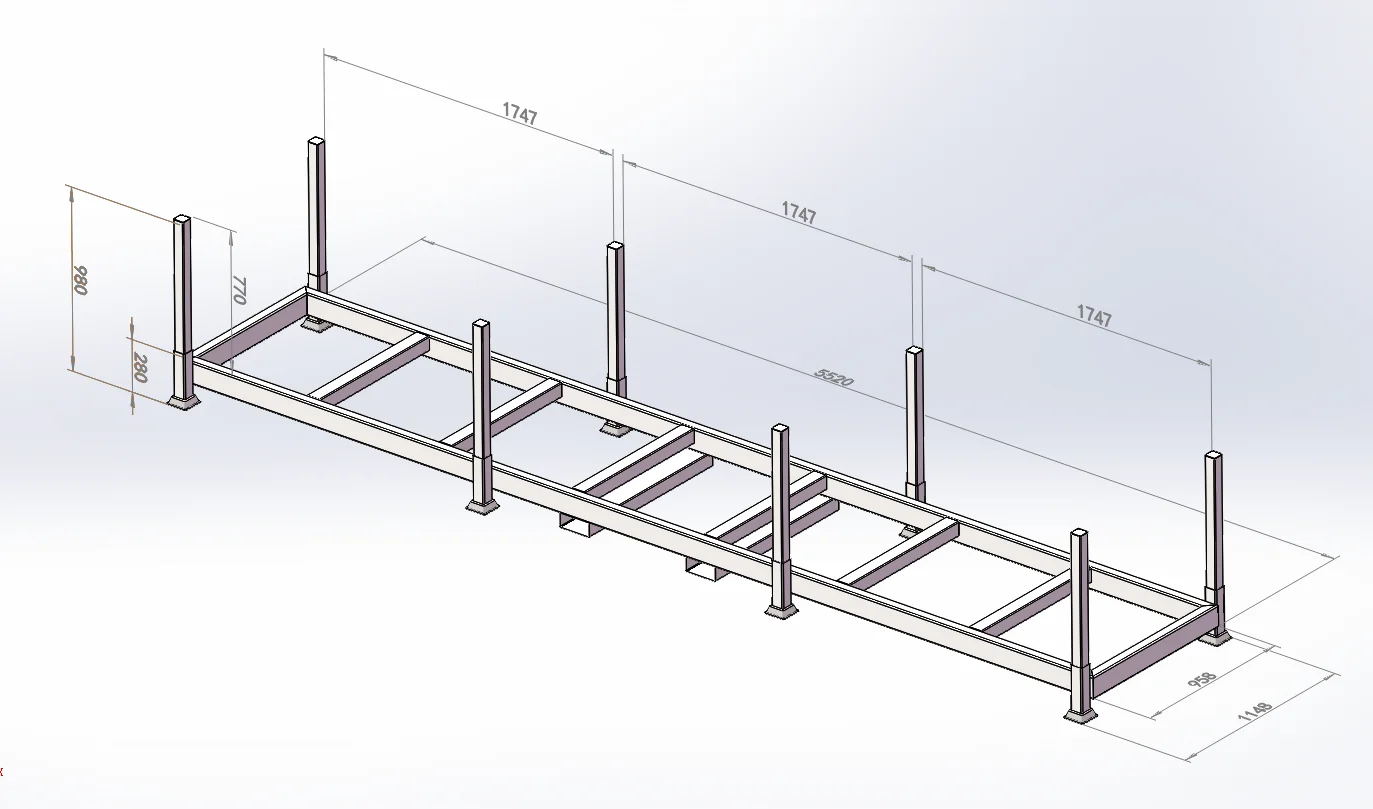
- Loaded / in-use state. Posts locked in, base carrying the goods, racks stacked 2–5 levels high (configuration-dependent) to use vertical cube instead of floor area. See the demountable post pallet overview for the structure and load logic.
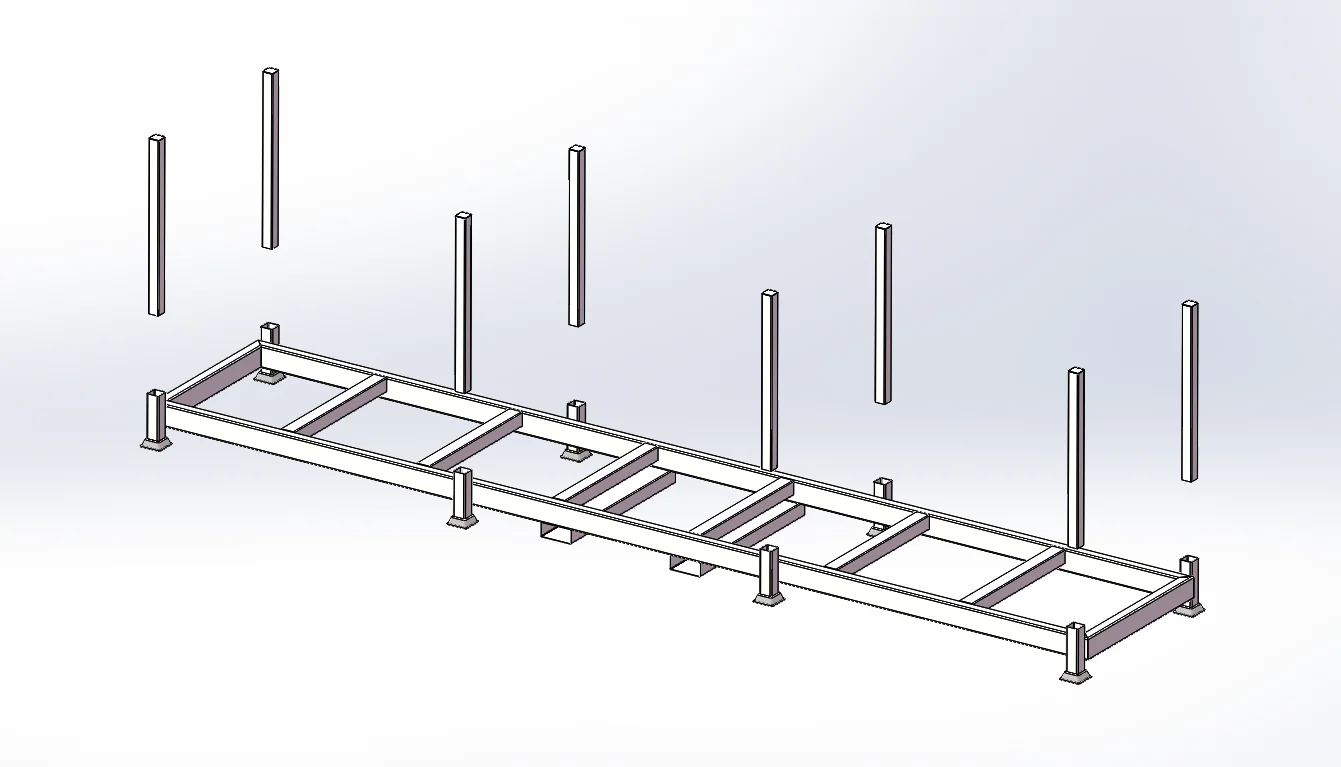
- Empty / return state. Posts pulled out and laid flat, bases slid one inside the next. The unit becomes a thin, dense stack instead of a hollow cage.
Because the same physical asset does both jobs, you are not comparing “a pallet” with “a rack” — you are comparing one durable loop asset against a disposable pallet plus a separate return strategy.
Why Nesting Cuts Return Freight — and by How Much
What “4:1 to 6:1” means
The figure people quote is a nesting ratio: the number of empty nested bases that fit into the footprint of one loaded rack. Across the common post-pallet sizes this is typically 4:1 to 6:1. In some loading configurations the bases are packed even tighter — 7 or 8 to a stack. These are project-dependent numbers, not a fixed law: the exact ratio moves with base depth, post height, and how tightly your team nests them.
From ratio to freight saving
Return freight is paid on occupied volume (and often weight). If six empty bases occupy the space of one loaded rack, a truck that previously carried, say, 20 rigid empty frames can instead carry well over 100 nested ones. In typical closed-loop models that translates to a return-freight reduction in the order of 75–80% versus shipping non-collapsing frames back.
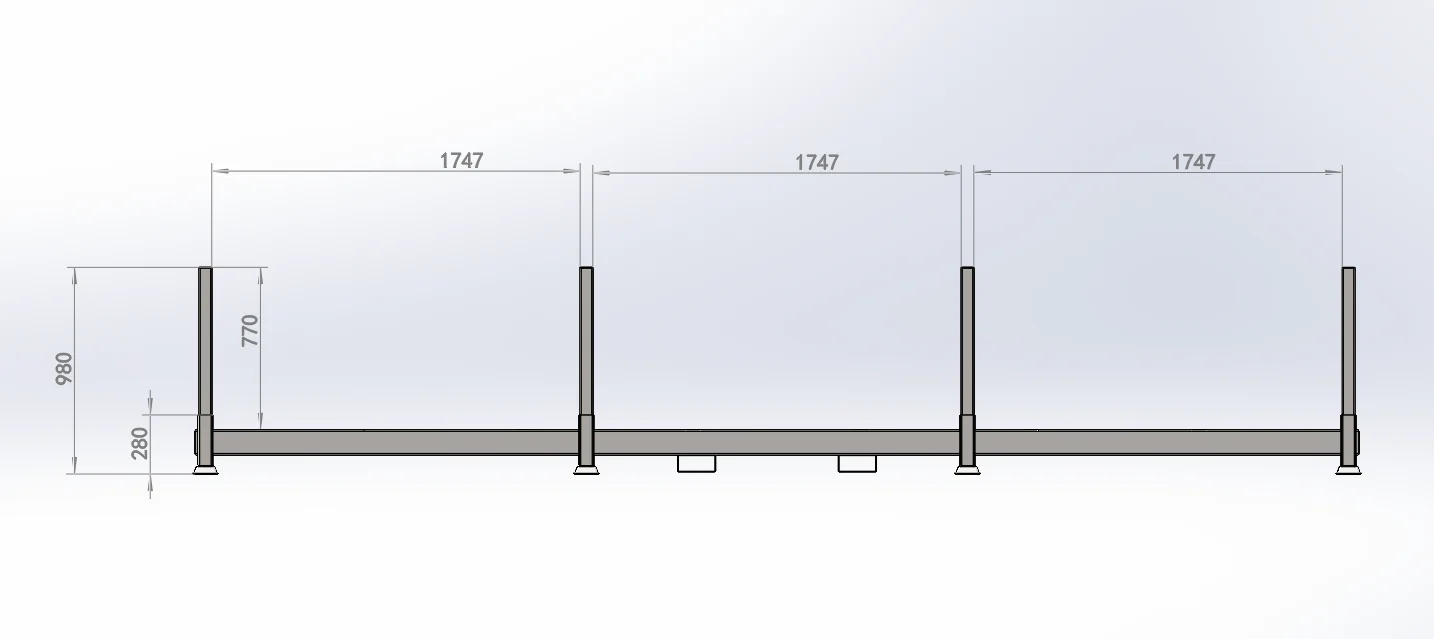
What the saving really depends on:
- Loop distance and mode. Long cross-province or cross-border hauls with high per-container rates gain the most. A short intra-city hop gains less.
- Whether the frame collapses at all. Fixed stillages and bolted racks do not nest — they ship as full cages every time. That is the comparison that makes 75–80% meaningful.
- Load-out discipline. The ratio is reached only if posts are actually removed and bases are nested, not just stacked loosely.
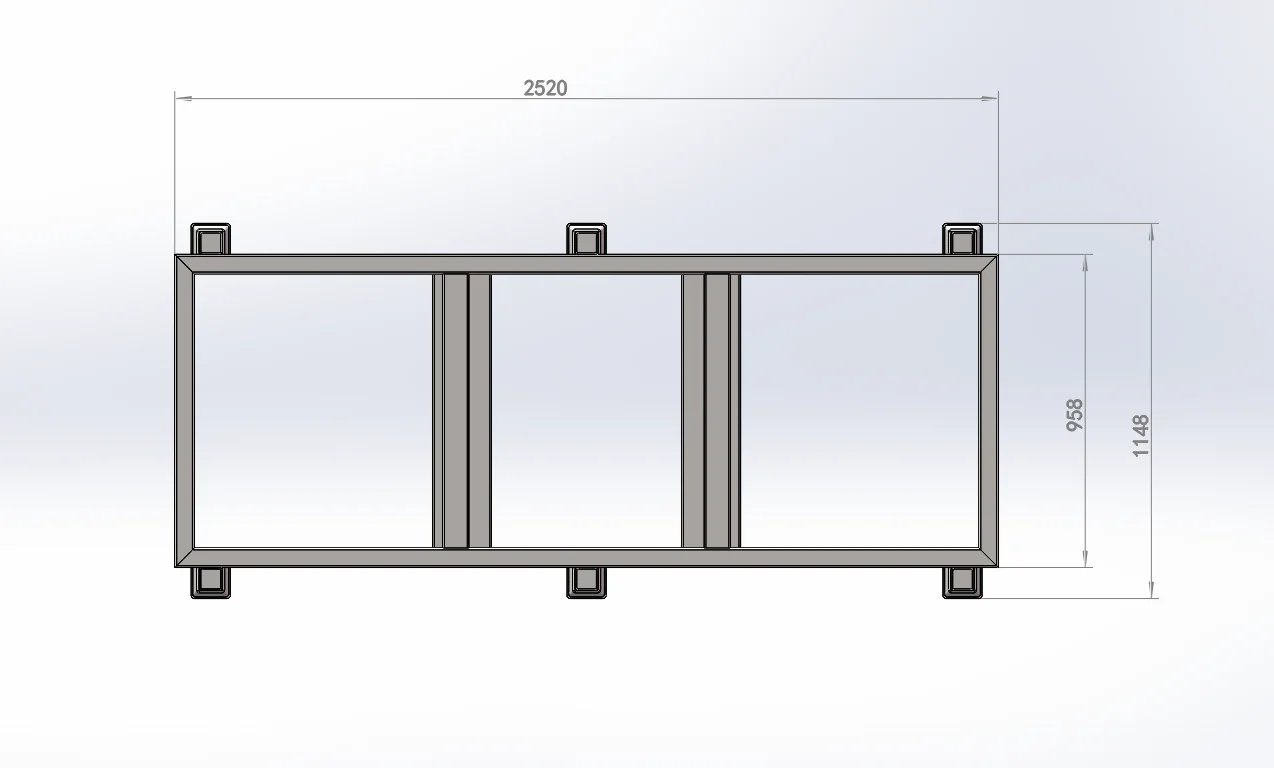
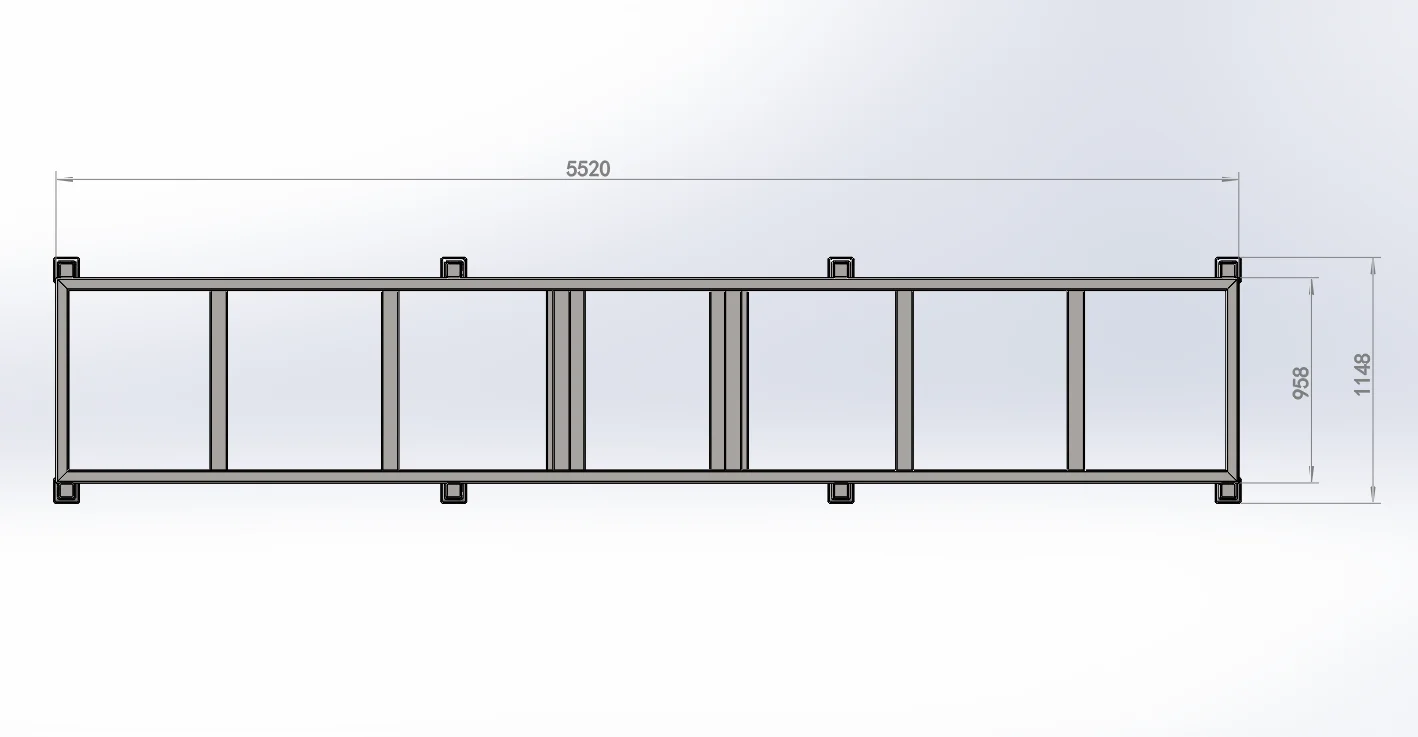
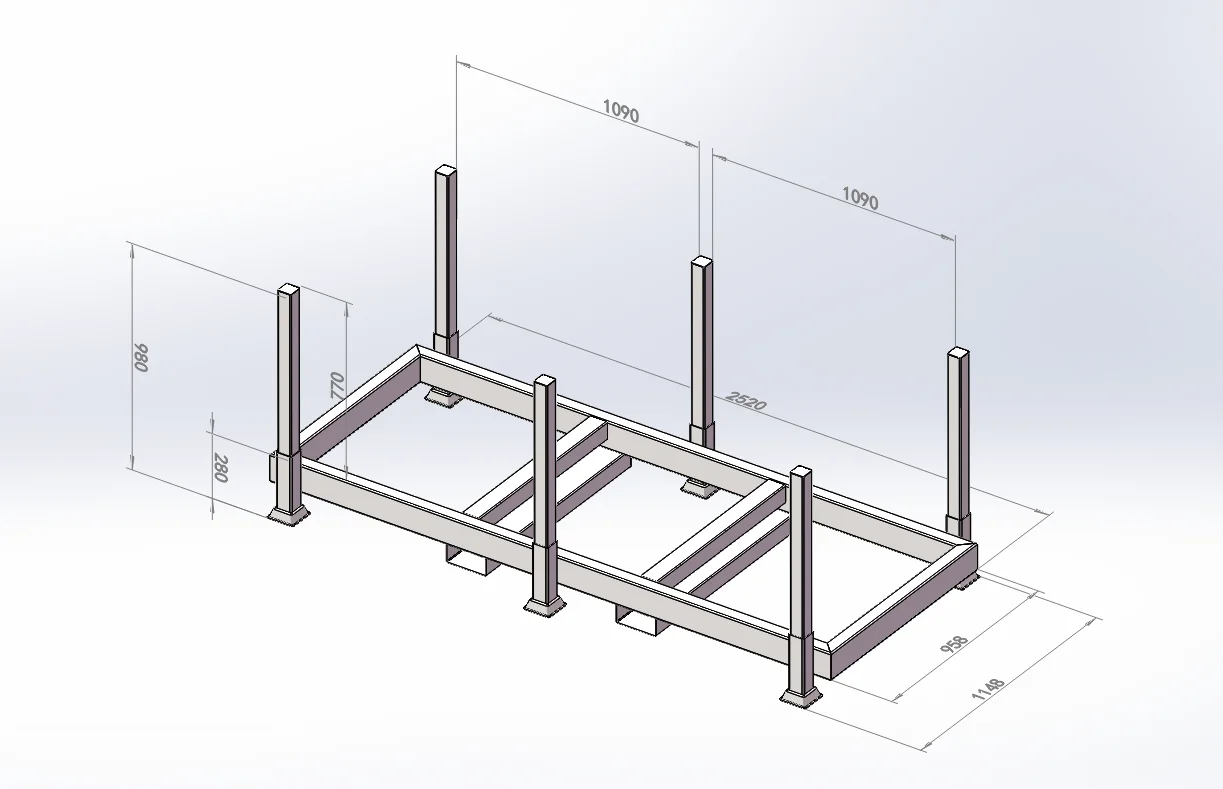
- Container vs loose truck. In a 40 ft high-cube container, bases designed at 1100–1140 mm width double-row neatly, so the volumetric gain compounds.
ISPM 15: why an all-steel unit is exempt
Wooden pallets used in international trade must meet the ISPM 15 standard — heat treatment or fumigation, stamped, and re-checked. Miss the mark and the consignment can be held, re-treated, or refused at the destination port. A post pallet made entirely of steel has no wood, no bark, no pests, and is naturally outside the ISPM 15 scope. There is no certificate to chase and no fumigation clock to watch on either the outbound or the return leg. (Exemption here refers to the wood-packaging regulation; it is not a food-safety or load-safety certification.)
How a Return Loop Actually Runs
Outbound
Goods are loaded onto the post pallet at your plant. The frame itself acts as the transport packaging, so there is no separate pallet-plus-crate step. Bases sized 1100–1140 mm wide double-row into a 40 ft container for tight, shift-free loading.
At destination
The customer unloads the goods; the empty frames are not discarded. Posts come out, bases nest, and the empties wait for the return haul.
Return
Nested bases ride home in a fraction of the outbound space. One container of returns may cover many outbound containers of product, depending on the loop.
The wood-pallet cost loop, side by side
| Factor | Disposable wooden pallet | Demountable steel post pallet (RTP) |
|---|---|---|
| Per-trip packaging cost | Low (but paid every trip) | Higher upfront, then near-zero per trip |
| Typical service life | Short — often a single use or ~1–2 years in rotation | Long — commonly cited 20 years+ with hot-dip galvanizing |
| Return freight | None (thrown away) — but no asset returns either | Low after nesting (≈75–80% below rigid-frame return) |
| ISPM 15 / export | Must be treated and certified | All-steel, outside ISPM 15 scope |
| Residual value | Scrap wood, minimal | Recoverable steel scrap value at end of life |
The wood pallet looks cheap on the first invoice and expensive on the hundredth. The steel unit inverts that curve: one capital outlay, then a long run of near-free trips. Whether it wins depends on trip count — a true one-way shipment does not benefit from return savings, while a closed loop does.
Questions Logistics Planners Ask
Is the 4:1–6:1 ratio guaranteed for my product?
No — it is a typical project range, not a fixed spec. The real number depends on base depth, post height, and how your team nests. Tell us your base size and post height and we will confirm the achievable ratio rather than quote a generic one.
Will return freight really drop 75–80%?
In typical closed-loop models where rigid frames would otherwise ship back intact, yes, the volume saving lands in that band. The actual figure tracks loop distance, container mode, and load-out discipline. We treat it as a planning estimate to be confirmed against your lane, not a promise printed on a brochure.
Do I still need ISPM 15 paperwork?
For the steel frame itself, no — it contains no wood and falls outside the ISPM 15 wood-packaging standard. (If you also ship wooden dunnage or crates alongside it, those items keep their own requirements.)
What if my shipment is one-way only?
Then the return-freight advantage does not apply, and a disposable option may fit better. The post pallet pays off when the asset comes home and circulates. See the core product page for where it fits, or the ISPM 15 export-risk article for the wood-pallet compliance angle.
How do I size a nesting configuration for my loop?
Share your base dimensions, post height, typical load, and whether empties go by container or loose truck. We return a confirmed nesting ratio and an estimated return-volume saving for your specific lane. If you are scoping a long-pipe or cold-store variant, note that too — those use different base and post configurations — see the load & stack specs (PDP-06) for how we size posts and bases.