
Ttrack Tire Rack Selection Guide | 1.5 t Per Layer | 4-High Stack Safety
Ttrack
Select the rack by tire size, unit load, stack height, fork handling speed, and inspection boundary. Learn the 1.5 t per layer rule, four-high stacking check, and overload signs.
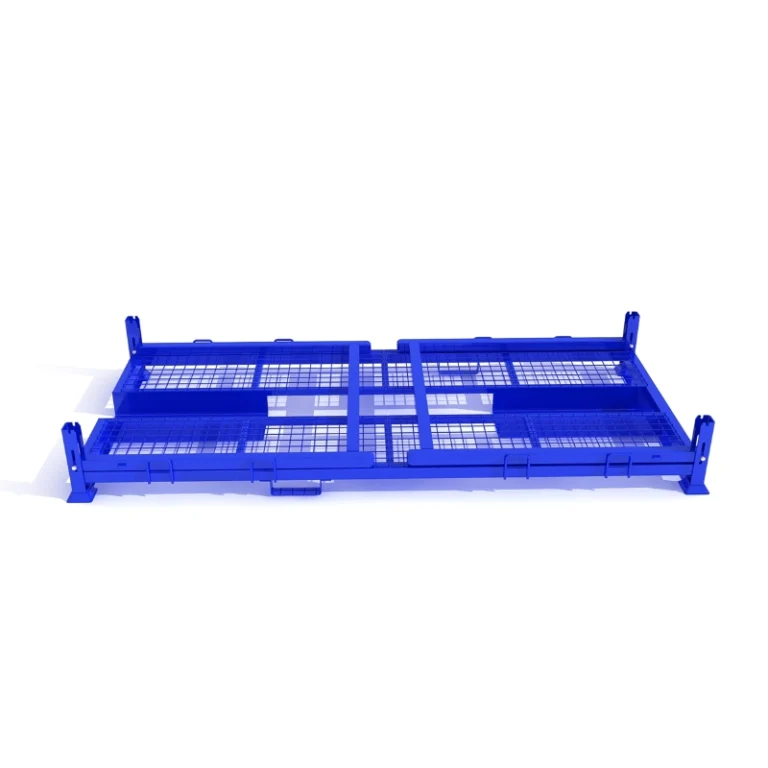
Choose by tire size, unit load, and stack safety
This page turns the 13696 operating note into a clear selection rule: confirm the tire specification and total unit weight first, then check whether the chosen rack can safely run at 1.5 t per layer, stack four high, and keep the upper feet fully seated on the posts below.
The numbers below are operating boundaries, not a blanket performance promise. Use the final tire outer diameter, section width, package weight, floor condition, and handling path to confirm the actual layout before release. If the geometry changes, the load path must be rechecked.
- Single-layer target: 1.5 t, with the load centered and supported by the full contact area.
- Stacking target: 4 layers only after the upper feet sit fully on the lower posts.
- Handling rule: forklift lift and set-down must stay smooth and uniform, with no impact loading.
- Inspection rule: check the base, uprights, welds, deformation, and loose connections on a schedule.
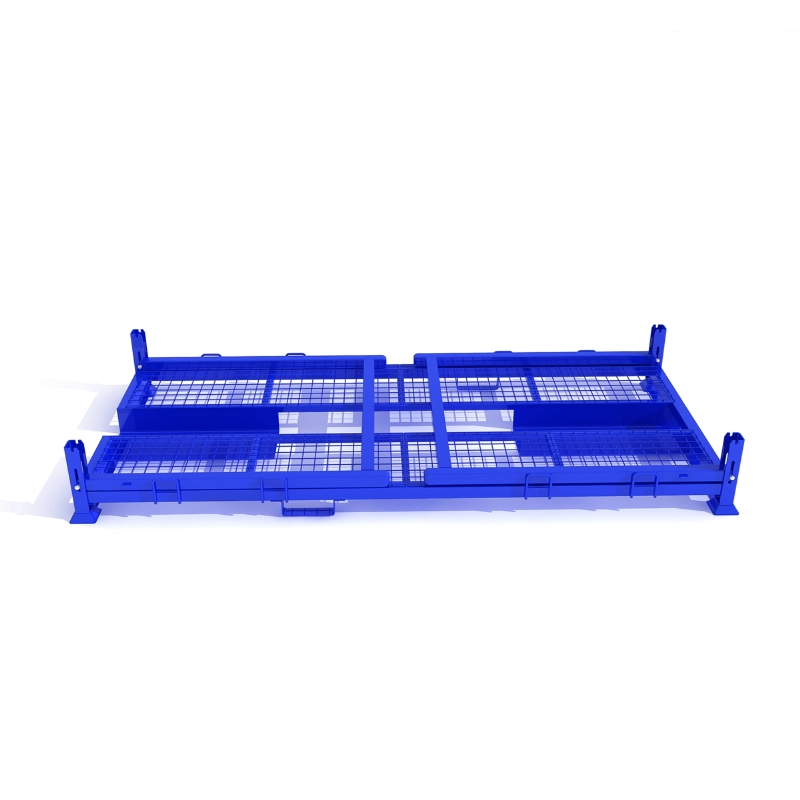
Three checks before you release the stack
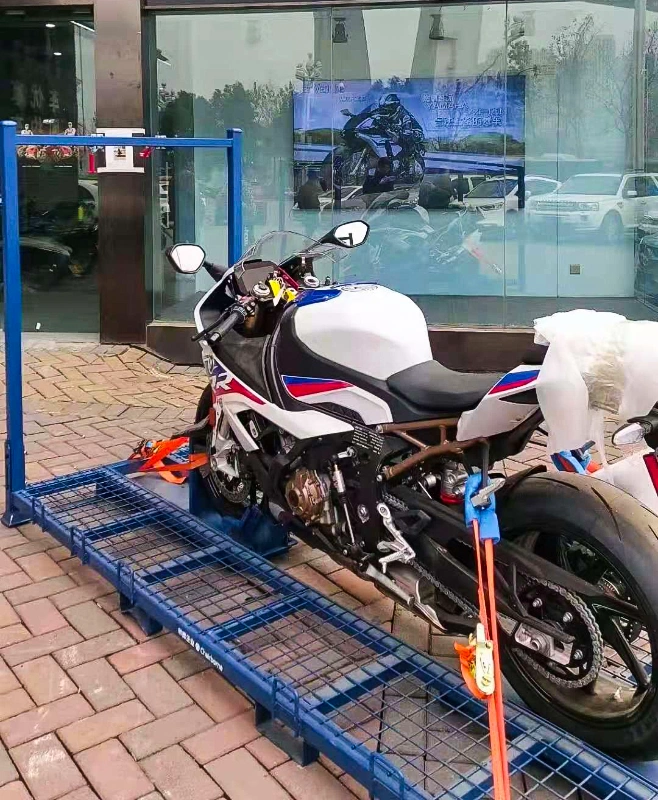
1.5 t operating limit
Single-layer load setup
Confirm the total unit weight against the confirmed 1.5 t layer limit, then keep the mass centered so the frame is not pulled into eccentric loading. If the tire bundle or wheel set sits outside the support zone, reconfigure before use.
Match weight to the layer boundary.
Keep the center of gravity low and centered.
Do not approve unknown offset load paths.
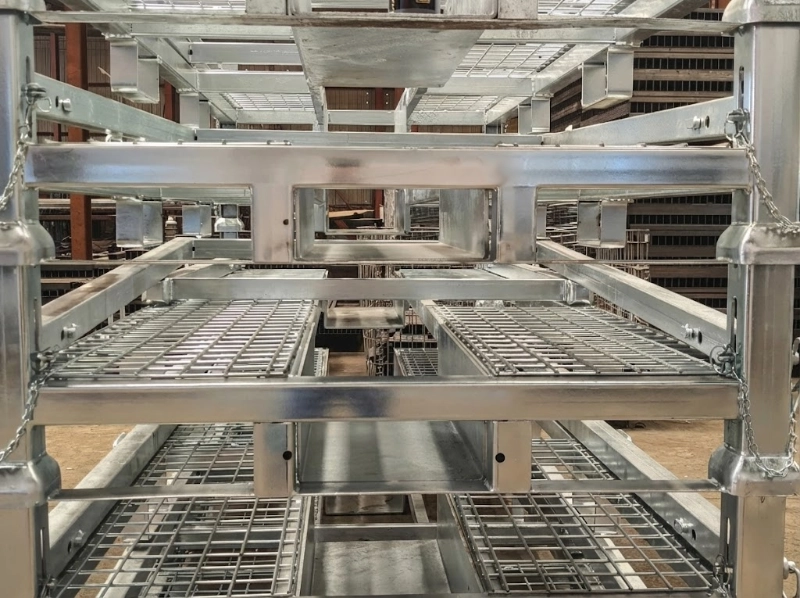
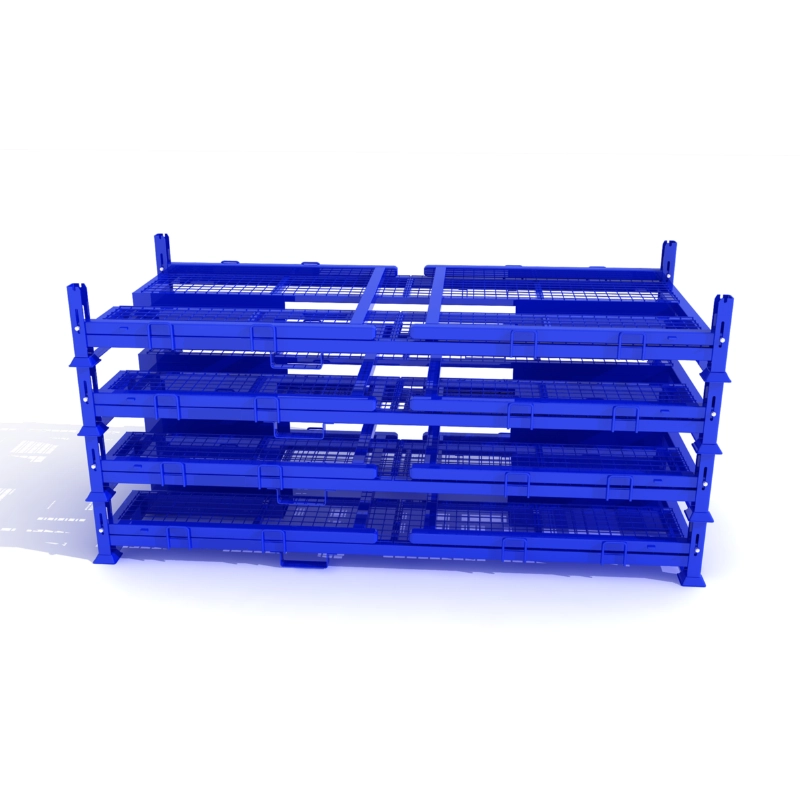
4-high stacking rule
Four-layer stack control
Stack only after the upper feet are visually confirmed to sit fully on the lower posts. There must be no partial edge contact, no visible gap, and no rocking. If the seat is not clear, the stack is not ready to release.
Verify full foot-to-post contact.
Use level ground and a stable base.
Stop if any layer feels uneven.
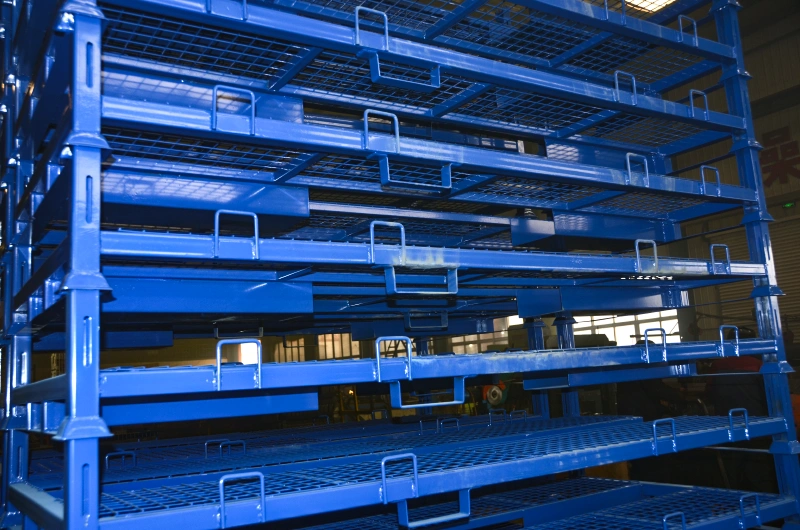
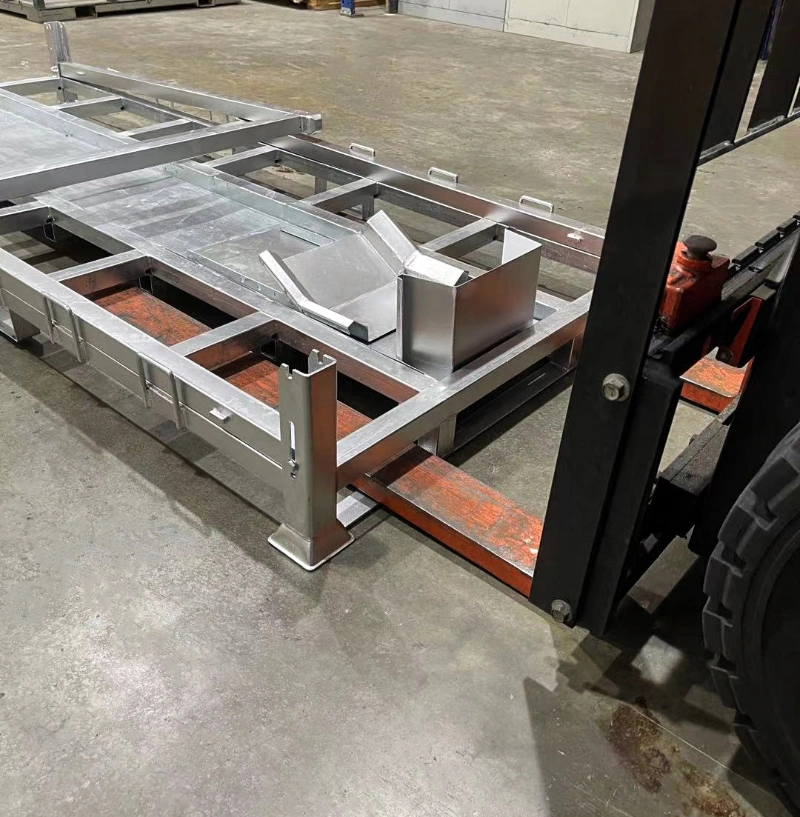
Handling and inspection
Forklift and inspection rule
Forklift move-in and lift-out must stay uniform and steady. Avoid sudden starts, hard drops, and impact loading. On a fixed schedule, inspect the base, uprights, weld seams, deformation, and loose pins or connectors before the next cycle.
Keep the mast motion smooth and even.
Inspect bends, cracks, and open welds.
Remove any unit that shows deformation.
What this configuration solves and what it does not
Map the tire before the rack
Confirm tire outer diameter, section width, total package weight, and the target stacking height before you choose the footprint. A rack that fits one tire build may not fit another without recalculation.
Respect the load boundary
The 1.5 t value is a single-layer operating boundary from the source note. It should be treated as a configuration rule, not a blanket promise for every layout, floor, or handling path.
Keep the stack interface honest
Four-layer stacking is only acceptable when the upper feet fully sit on the lower posts and the frame is level. Partial seating, rocking, or edge contact means the stack must be corrected first.
Use handling speed as a safety rule
Uniform forklift speed reduces shock to the frame, the load, and the stacking interface. The same rule also makes inspection easier because bent posts, loose welds, or a shifted base are easier to spot early.
A simple four-step workflow for safe release
Measure the real input
Record tire size, total quantity, package mass, and the intended storage height. Use the real shipment data, not a generic catalog assumption.
Match the footprint and layer load
Check that the confirmed load stays within the 1.5 t single-layer boundary and that the support area keeps the load centered.
Confirm four-high seating before release
Only after the upper feet are fully seated on the lower posts may the stack be released. Any gap or tilt means the stack must be reset.
Move steadily and inspect on schedule
Use smooth forklift motion, then inspect the base, columns, and welds on a fixed schedule. Stop use if deformation, bending, or open welds appear.
Answers to the questions operators ask most
How do I apply the 1.5 t single-layer rule?
Start with the real unit weight of the tire set or wheel set, then keep the load centered in the support area. If the actual mass is higher than the confirmed layer limit, do not release the configuration.
How do I confirm the four-layer stack is safe?
Look for full foot-to-post contact on every layer. The upper feet must sit completely on the lower posts, with no partial edge contact, no rocking, and no visible gap.
Why must the forklift move at a uniform speed?
Uniform speed reduces shock and side load. That protects the frame, keeps the load from shifting, and lowers the chance of a sudden twist during lift or set-down.
What should periodic inspection cover?
Inspect the base, uprights, welds, deformation, bent members, and any loose pins or connectors. If the frame has a crack, an opened weld, or a bent post, take it out of service.
How do I judge overload or eccentric loading?
If the actual load exceeds the confirmed limit, if the mass sits off-center, or if the support area is not fully used, the configuration is overloaded or off-balance and must be reworked.
When should I avoid this configuration?
Do not use it when the tire geometry is unconfirmed, the floor is uneven, the handling path is not stable, the feet cannot fully seat, or the frame shows damage. Recalculate before proceeding.