
How Do I Store Tires in a Post Pallet Rack Without Bead Deformation?
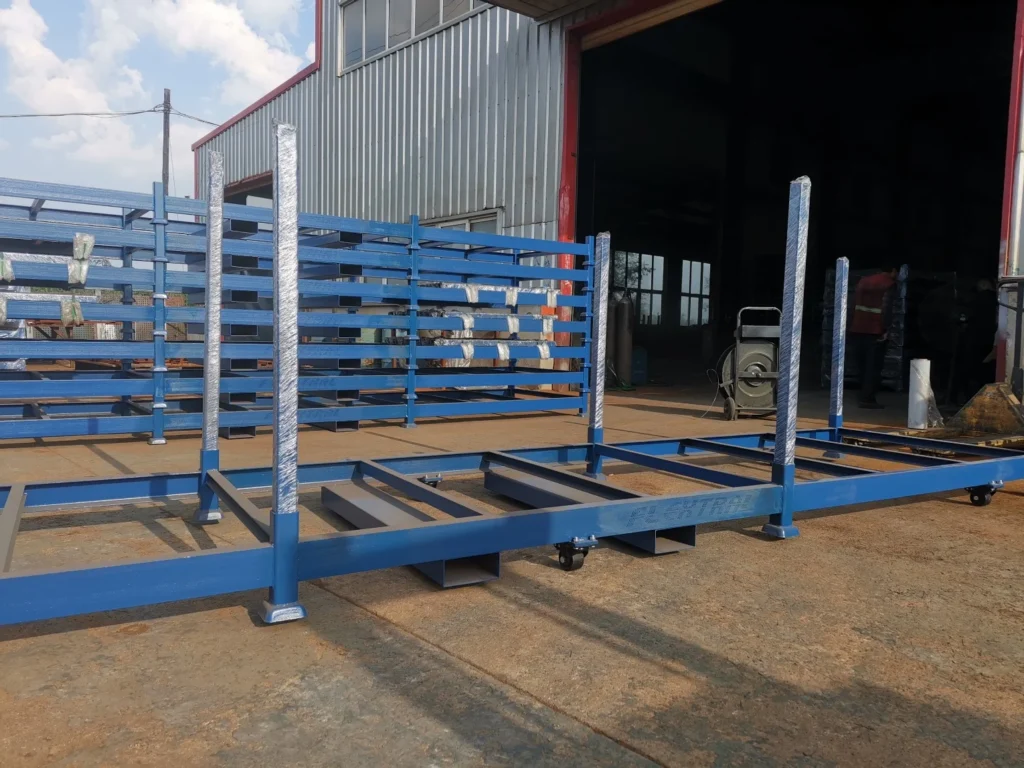
Store Tires Upright, Sorted by Diameter — Zero Bead Deformation
A demountable post pallet turns tire storage from a crush-risk floor pile into a visible, diameter-zoned, forklift-movable rack where the bottom tire carries no load at all.
When mixed-size tires are crisscrossed and floor-stacked, the bottom tire absorbs the weight of everything above it. Over weeks that load produces irreversible bead deformation and flat-spotting, and the pile hides stock so counts drift. The post-pallet principle reverses this: the steel posts carry the entire upper load down to the floor, so the bottom tire sits at zero compression. See the core mechanism on our Demountable Post Pallet overview (PDP-01).
- Diameter-class zoning: tires under 800 mm (PCR / light) and over 800 mm (TBR / truck-bus) use different base depths and post constraints
- Bottom tire bears zero load — upper weight transfers to steel posts, not to the tire below
- Upright, single-row placement keeps every tire visible and FIFO-ready
- Whole-rack forklift handling: move the unit, not loose tires
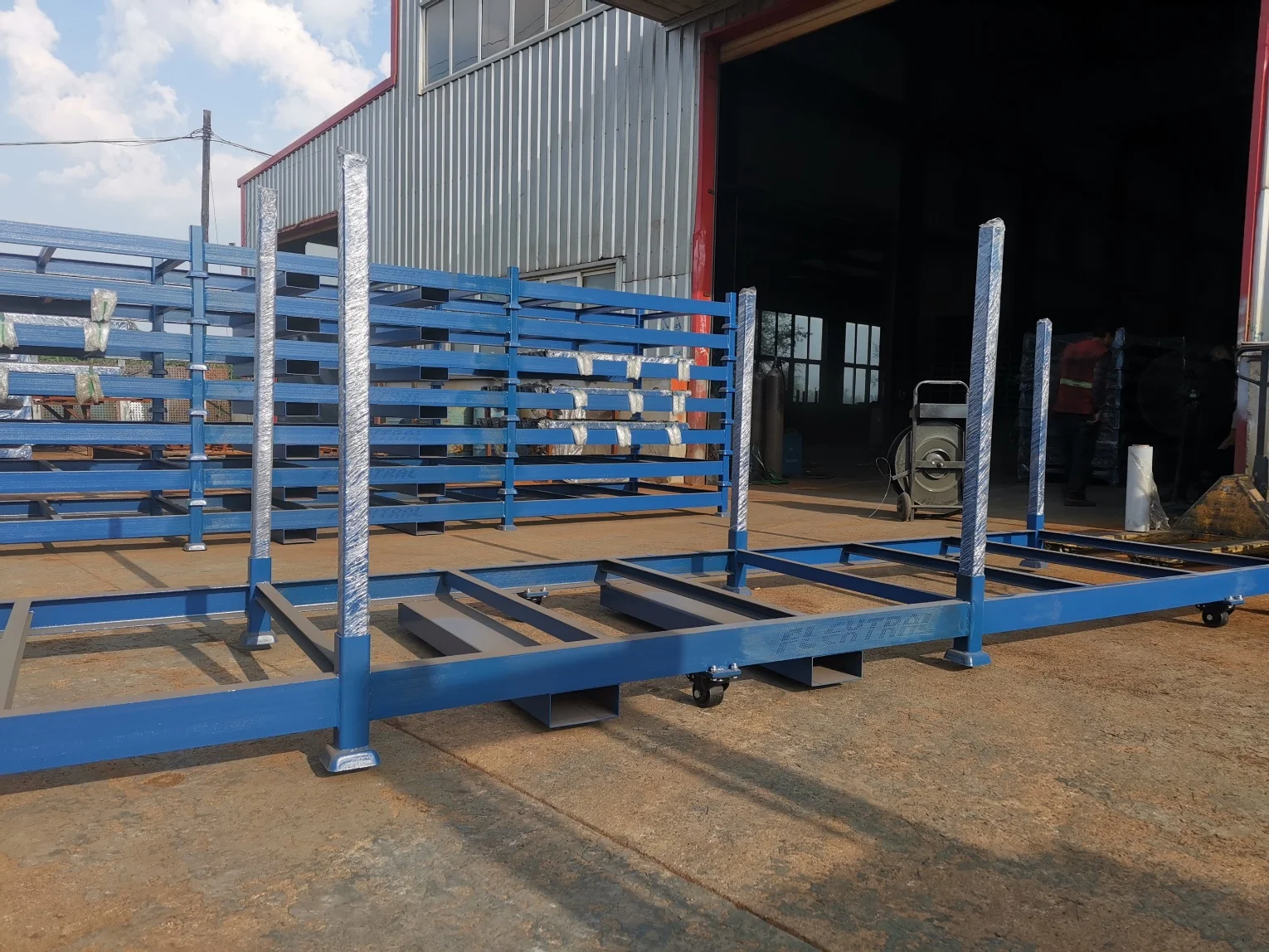
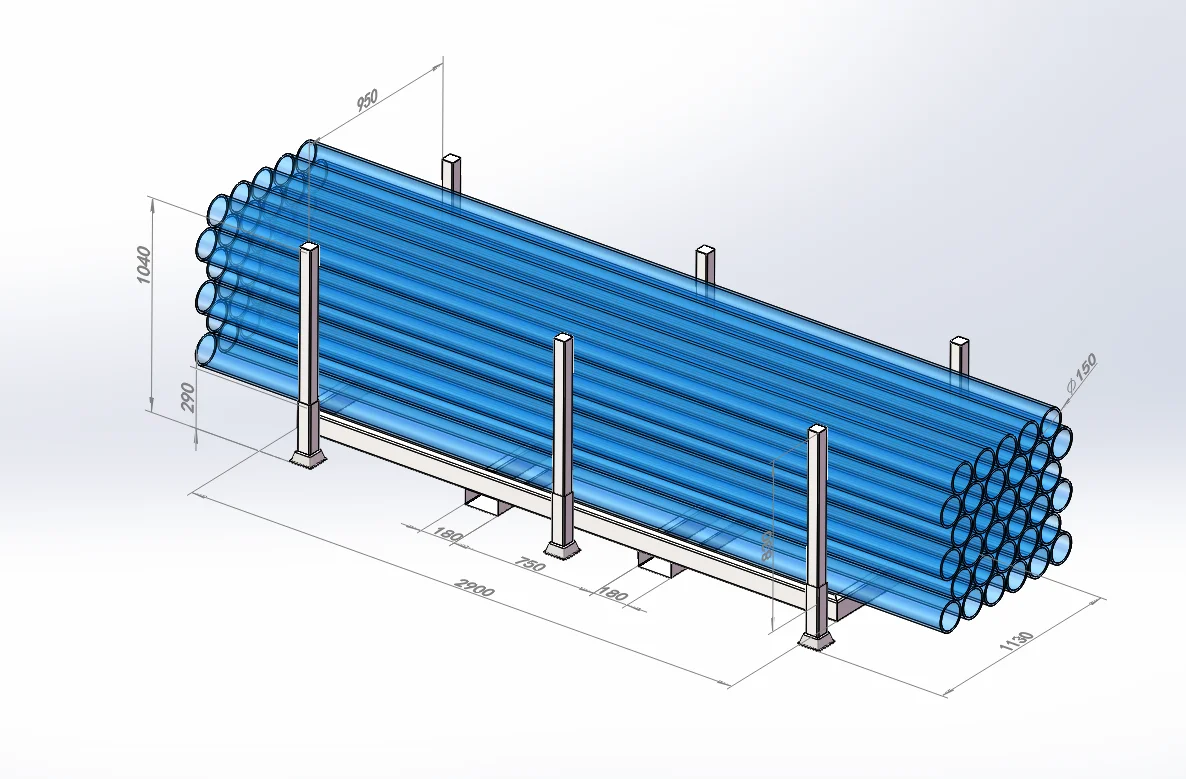
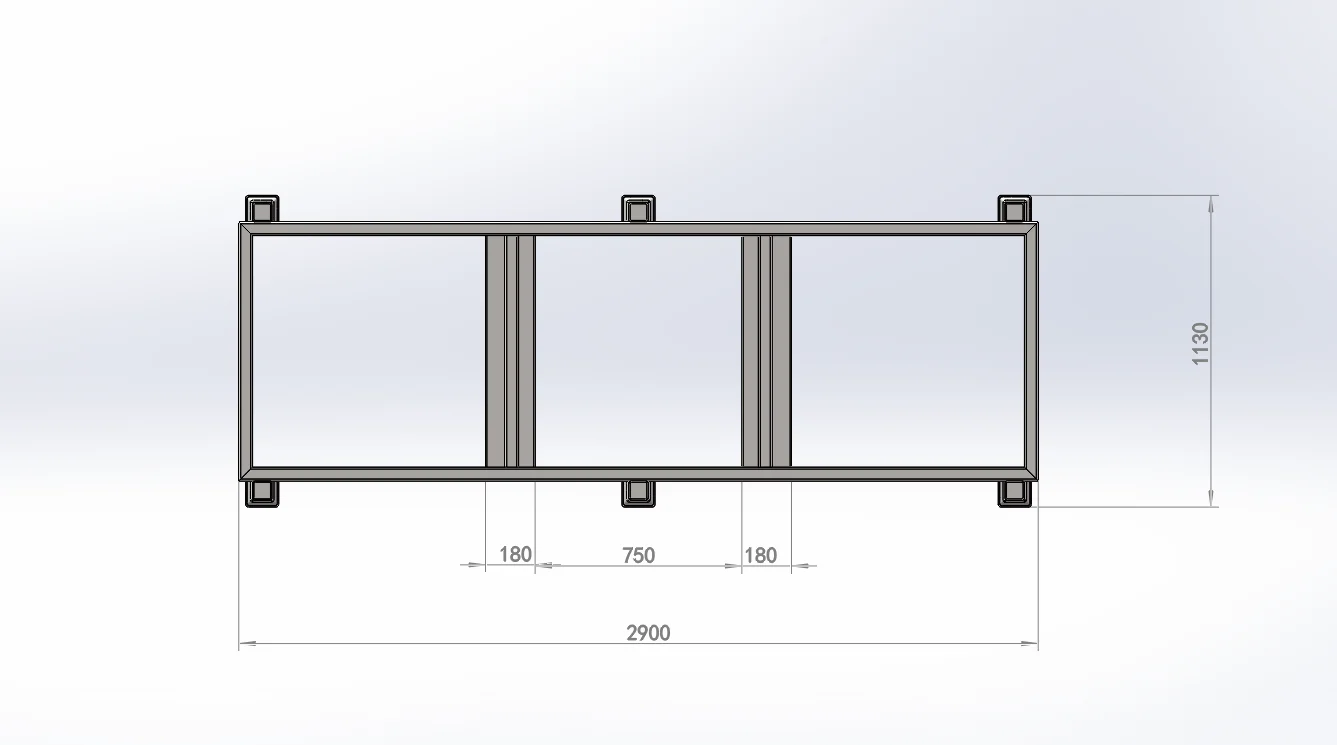
Three Ways to Rack Tires on a Post Pallet
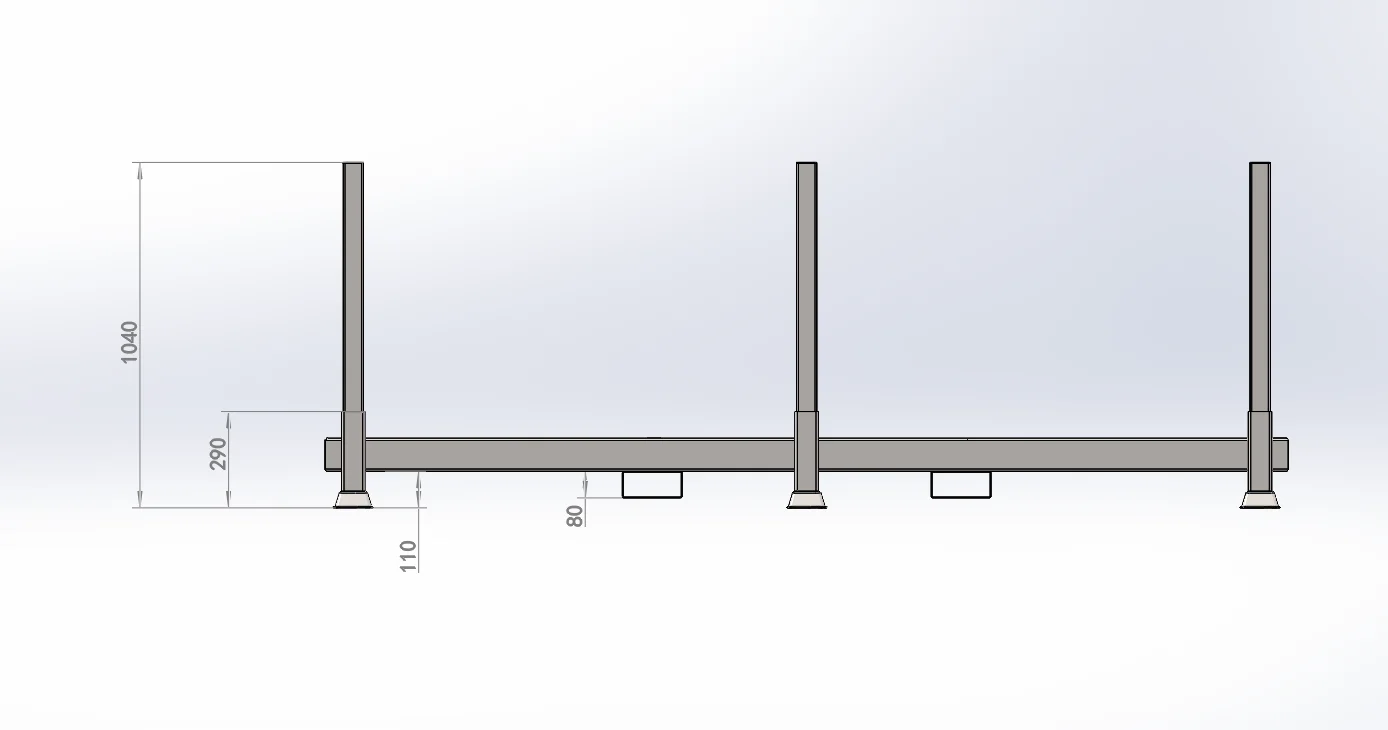
D < 800 mm
PCR / Light-Tire Base
A shallow-depth base tuned for passenger-car and light-truck tires. Holds them upright in a single row so each tire is individually visible.
Project-defined base depth
~4 tires per upright row (typical, project-configured)
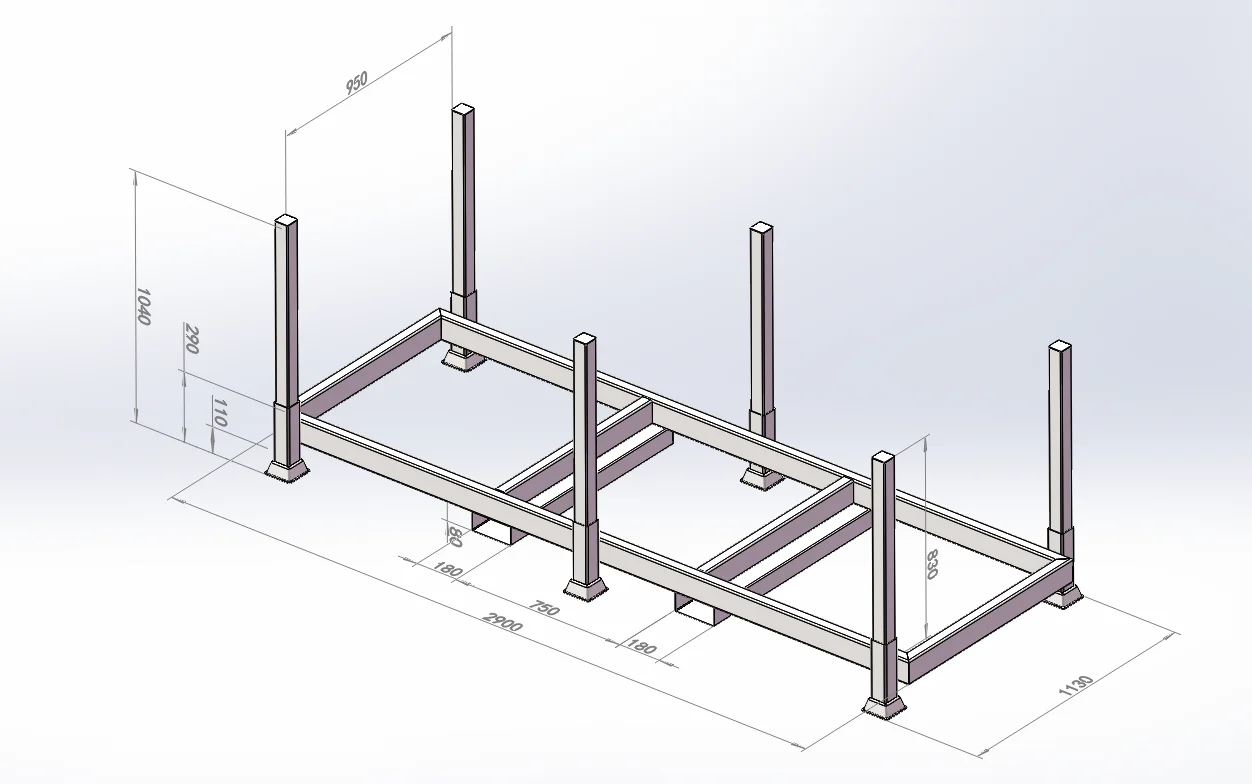
D > 800 mm
TBR / Truck-Bus Base
A deeper base and stronger post array for heavy truck and bus tires, applying the same zero-pressure principle to much larger masses.
Reinforced post array
Row count set by the diameter-class base
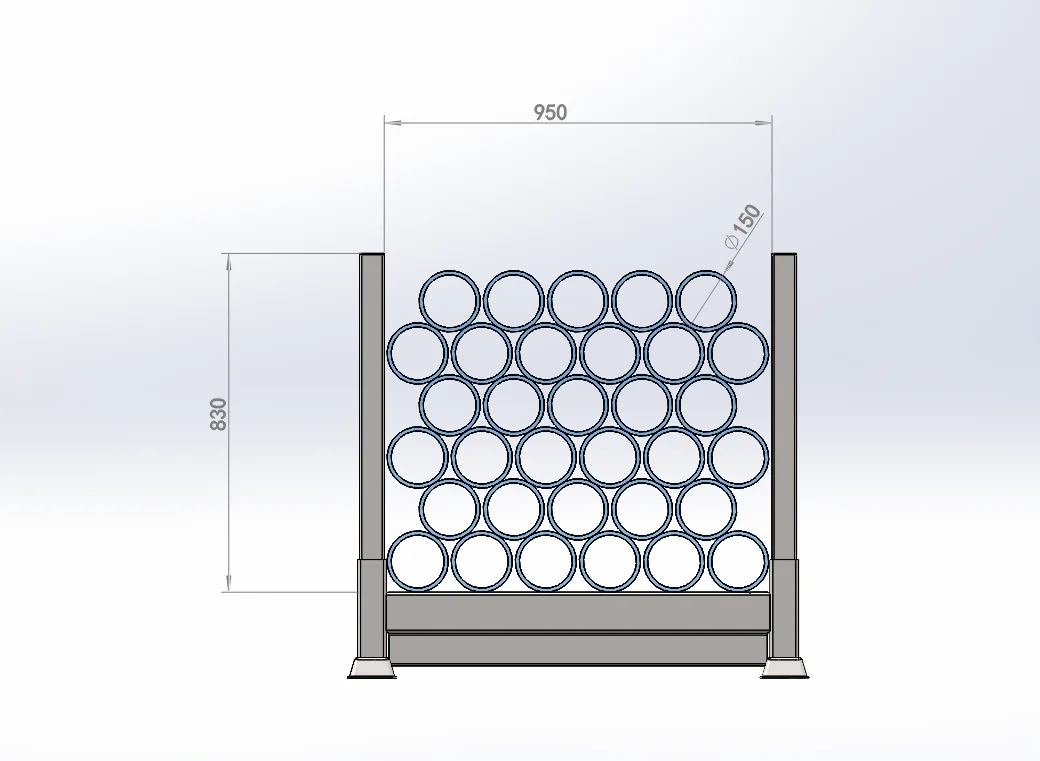
Returnable
Cross-Dock / Returnable Rack (RTP)
Detachable posts let empty bases nest 4–6:1 for backhaul, cutting return freight 75–80%. Pure steel means it is exempt from ISPM 15 export rules.
Nesting ratio 4–6:1
ISPM 15 exempt (no fumigation)
Four Problems a Floor Pile Creates — and How This Removes Them
No bead deformation
The upper load travels through the steel posts to the floor. The bottom tire carries none of it, so the bead ring never deforms.
No flat-spotting
Upright storage means tires rest on their tread, not under a stacked load for months — the usual cause of flat-spotting is gone.
Inventory you can see
Upright, single-row placement keeps every tire in view. In a tire-distribution consolidation project (a composite drawn from several deployments), zoning lifted count accuracy from roughly 85% to 99.9%.
Move the whole rack
The forklift handles the loaded unit — pick, relocate, ship, or nest for return — instead of handling loose tires one by one.
From Receiving to Stacked in Four Steps
Zone by diameter
At receiving, split tires at the 800 mm boundary: PCR / light under 800 mm, TBR / truck-bus over 800 mm. (The 800 mm split is a project classification algorithm, not a universal fixed threshold — your mix may use a different line.)
Load upright, one row per base
Set each tire upright in its diameter-class base. A common project configuration holds 4 tires per upright row; the exact count scales with the base model.
Stack 4–5 high
Cup-feet self-center under gravity, so the higher the stack the more stable it becomes. No bolts, no floor fixing.
Forklift the unit
Move, ship, or detach posts and nest 4–6:1 for return. One loaded bay becomes one handled unit. 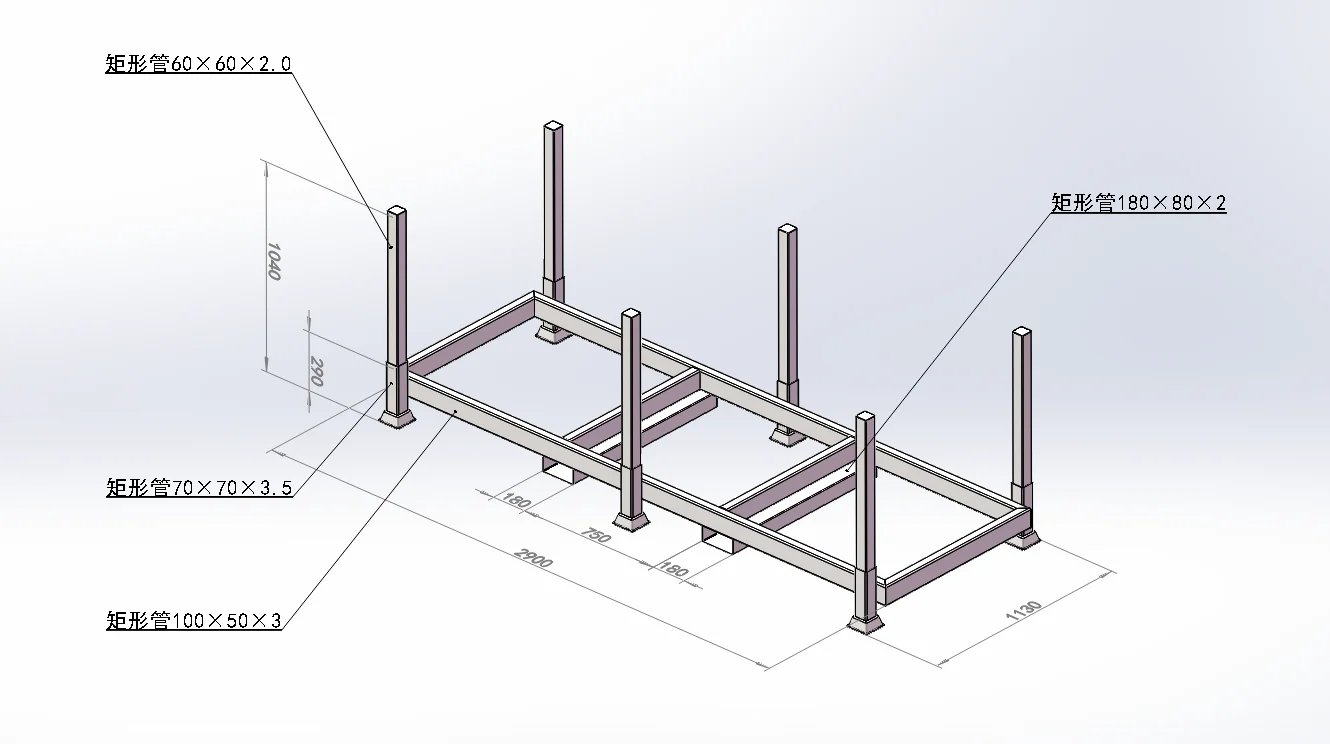
Questions Tire Warehouse Managers Ask
Can different tire sizes share one rack?
They are zoned by diameter class. Tires under 800 mm and over 800 mm use different base models with different depth and post strength. The 800 mm line is a project algorithm, not a fixed universal value — confirm the boundary against your actual tire mix.
How many tires fit in one unit?
A common project configuration places 4 tires in a single upright row per base module. The precise count depends on the diameter-class base you specify, so treat it as project-configured rather than a catalogue constant.
Will the bottom tire get crushed?
No. All upper load transfers to the steel posts; the bottom tire’s compression is zero. That is the whole point of the structural-load-bearing design.
How do we keep inventory accurate?
Upright single-row placement makes every tire individually visible. Paired with a unit label per base, a tire-distribution consolidation project (abstracted from multiple deployments) reached 99.9% count accuracy.
Can we move them with a forklift?
Yes — whole-rack handling. Detachable posts let empty bases nest 4–6:1 on return, cutting backhaul freight 75–80%. As pure steel, the rack is exempt from ISPM 15, so export needs no fumigation certificate.
What finish resists a wet tire warehouse?
Full-immersion hot-dip galvanizing (project-confirmed finish — hot-dip, cold-dip, or composite is selected per project) gives impact resistance and cathodic self-healing protection against the constant moisture of a tire storage area.
B2B Racking Structural Engineering Calculator
Input your structural guidelines below. Our math system calculates material deflection, stress bounds, and recommends optimal profiles.
Click Compute to calculate stress factors and display structural drawing recommendations.