
How do I store tires in a post pallet rack without heel deformation?
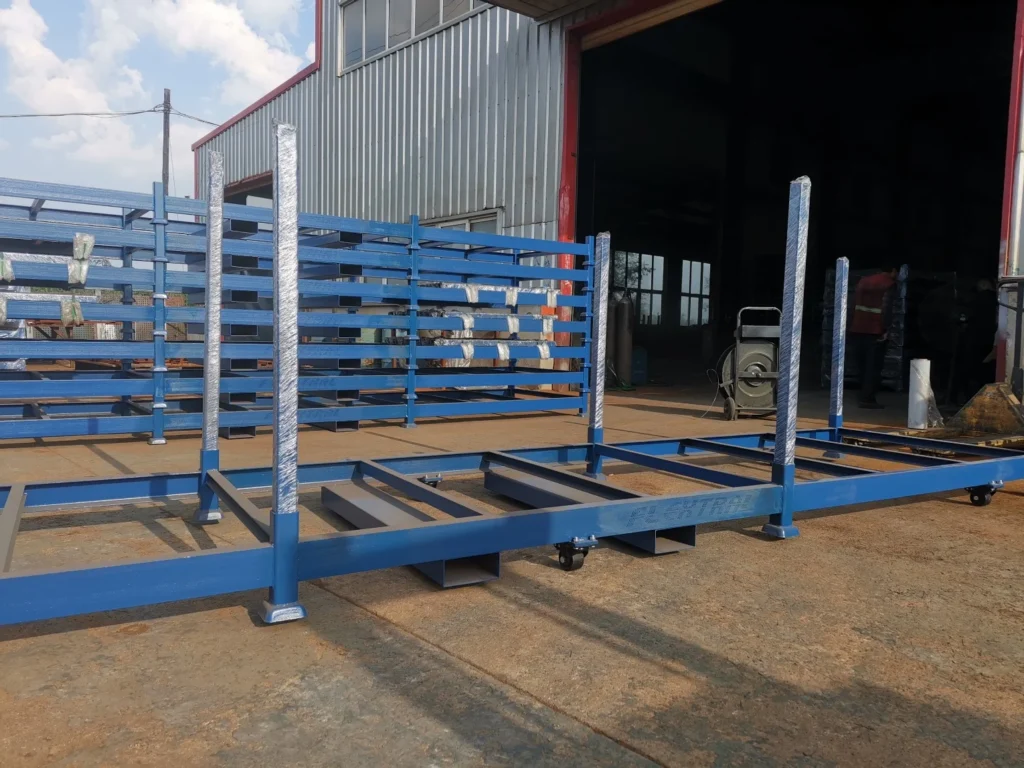
Sla banden rechtop op, gesorteerd op diameter — nul beadvervorming
Een demonteerbare stapelpallet verandert bandenopslag van een risicovolle vloerstapel in een zichtbaar, op diameter ingedeeld, heftruckverplaatsbaar rek waarbij de onderste band helemaal geen belasting draagt.
Wanneer banden van verschillende maten kruislings door elkaar en op de vloer gestapeld worden, absorbeert de onderste band het gewicht van alles daarboven. Na verloop van weken veroorzaakt die belasting onomkeerbare velgvervorming en platte plekken, en de stapel verbergt de voorraad waardoor tellingen afwijken. Het stapelpallet-principe keert dit om: de stalen palen dragen de volledige bovenbelasting naar de vloer, zodat de onderste band op nul compressiestaat. Bekijk het kernmechanisme op ons Overzicht demonteerbare stapelpallet (PDP-01).
- Zonering op diameterklasse: banden onder 800 mm (PCR / licht) en boven 800 mm (TBR / truck-bus) gebruiken verschillende basisdiepten en paalbeperkingen
- Onderste band draagt nul belasting — het bovenste gewicht gaat naar de stalen palen, niet naar de band eronder
- Rechtopstaande plaatsing in één rij houdt elke band zichtbaar en FIFO-gereed
- Heftruckbehandeling van het hele rek: verplaats de eenheid, niet losse banden
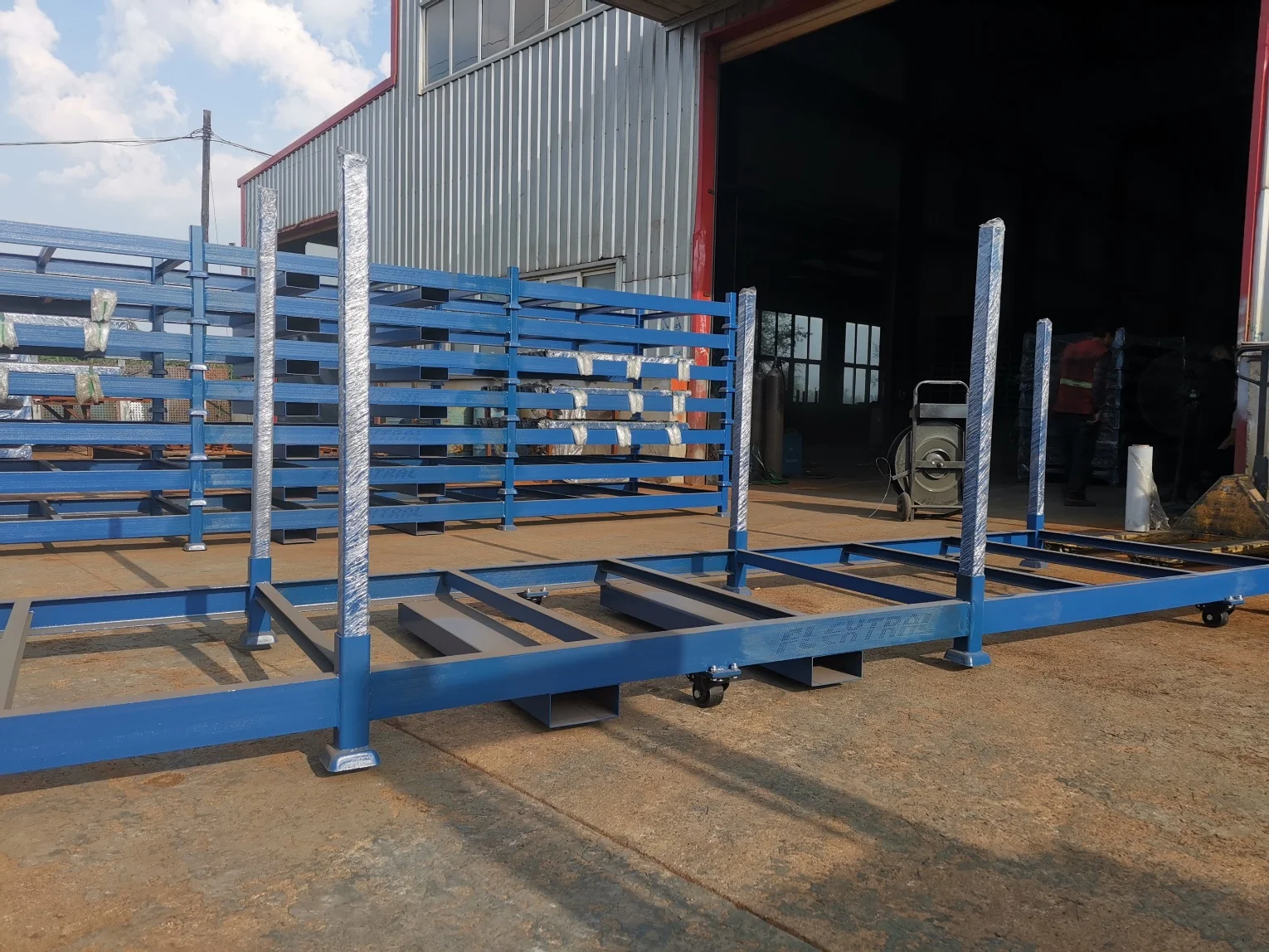
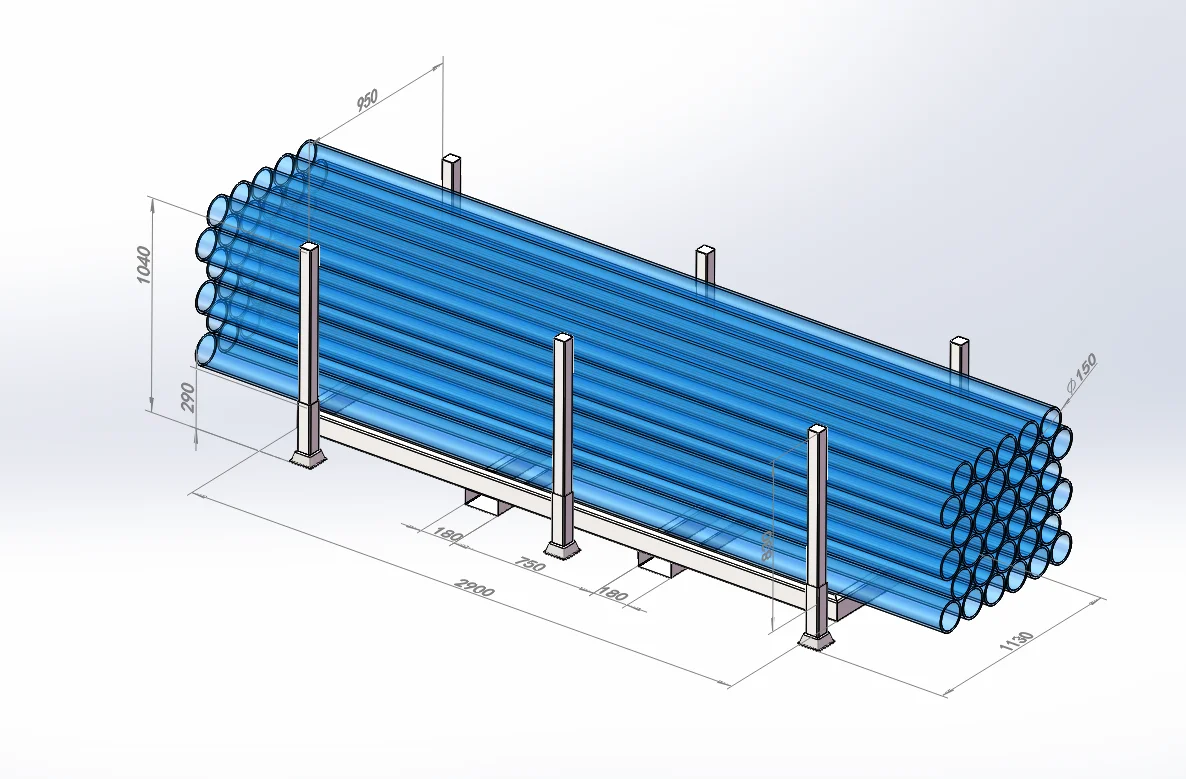
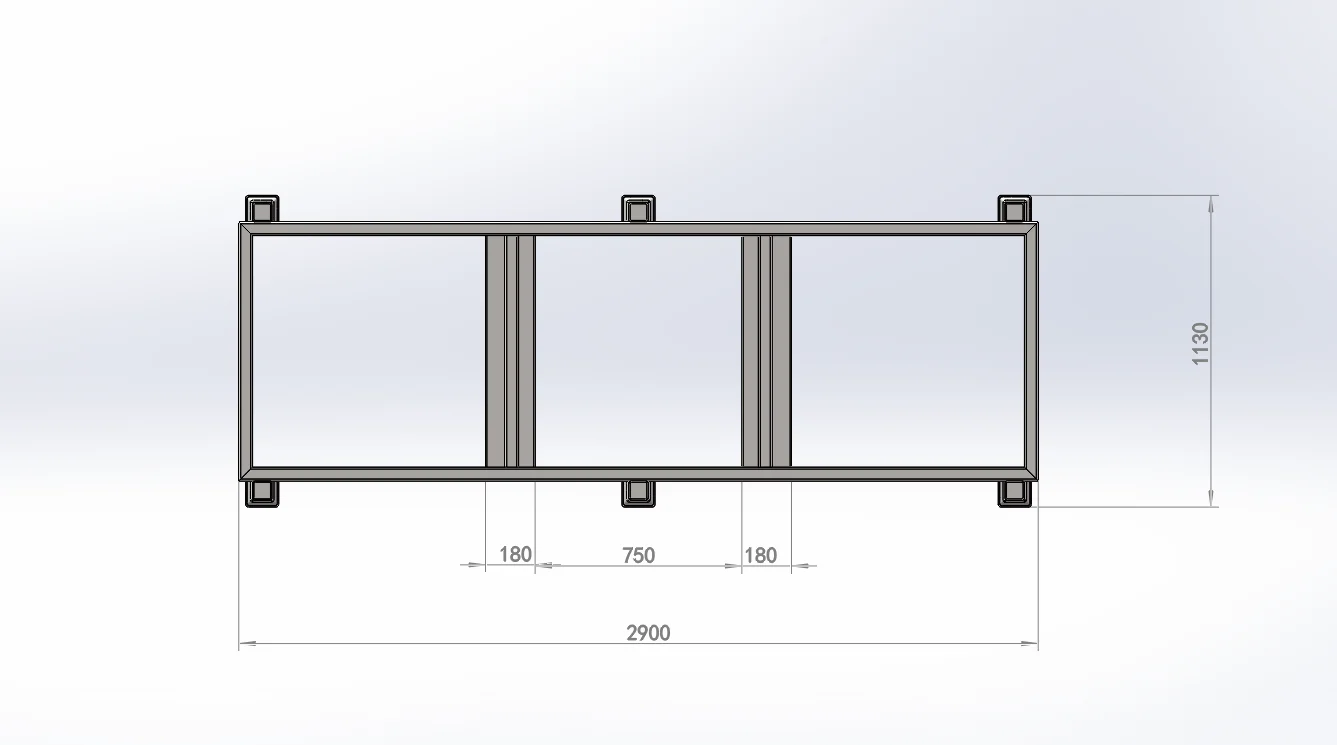
Drie manieren om banden op een stapelpallet te rekken
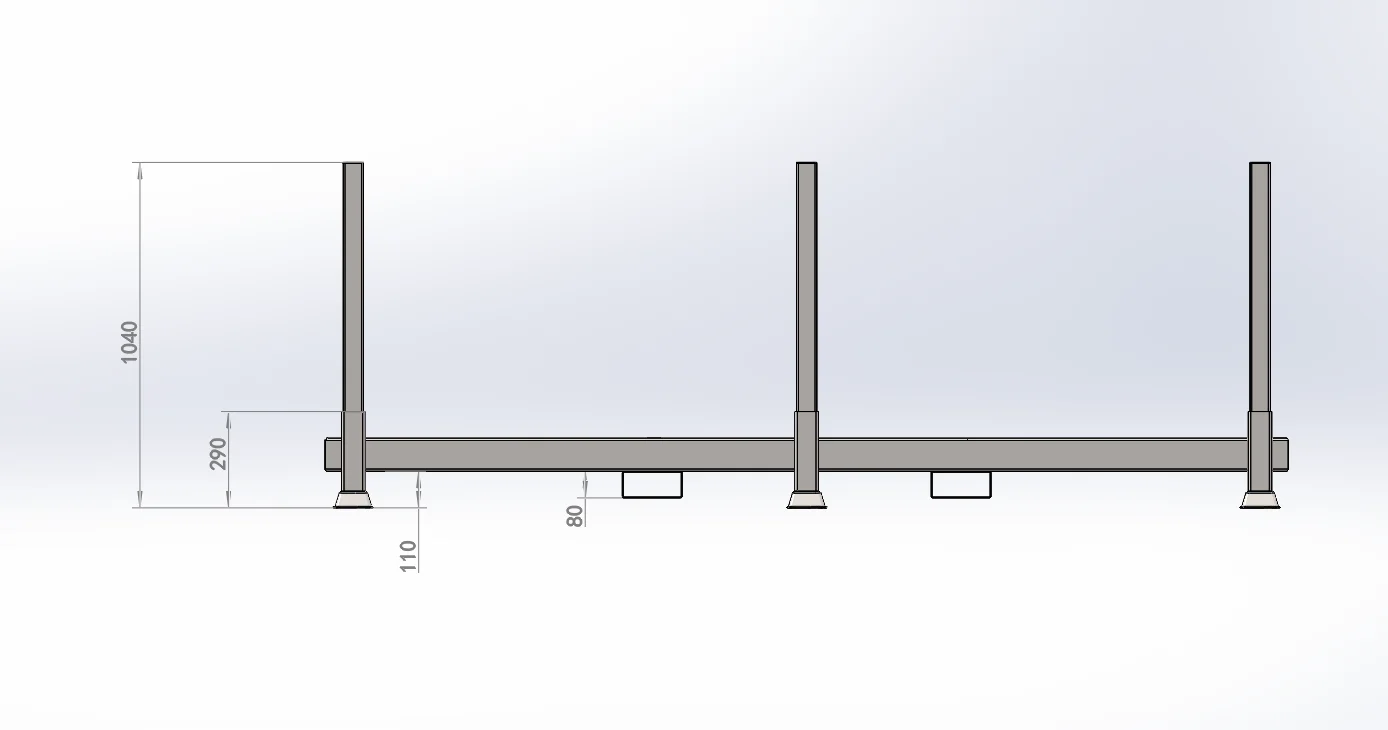
D < 800 mm
PCR / lichtbandenbasis
Een ondiepe basis afgestemd op personenauto- en lichte vrachtwagenbanden. Houdt ze rechtop in een enkele rij zodat elke band afzonderlijk zichtbaar is.
Projectgedefinieerde basisdiepte
~4 banden per rechtopstaande rij (typisch, projectgeconfigureerd)
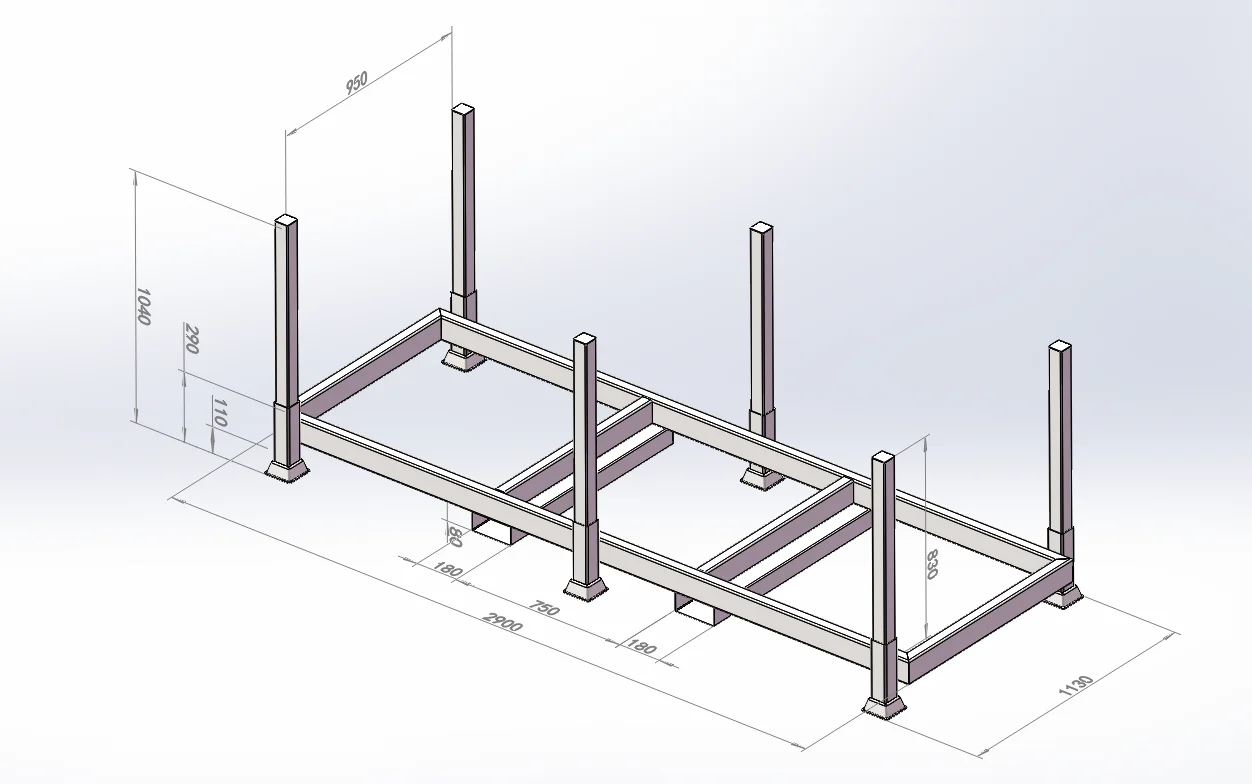
D > 800 mm
TBR / truck-busbasis
Een diepere basis en sterker palenarray voor zware vrachtwagen- en busbanden, waarbij hetzelfde nuldruk-principe wordt toegepast op veel grotere massa's.
Versterkt palenarray
Rijaantal bepaald door de basis van de diameterklasse
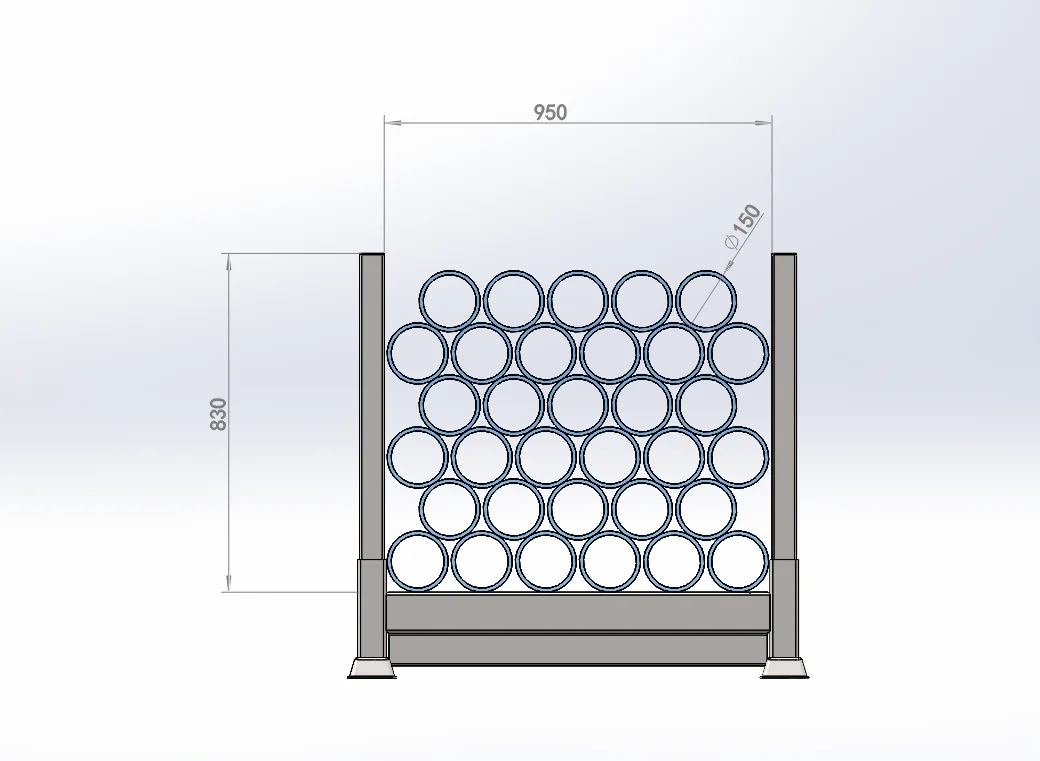
Retourneerbaar
Cross-dock / retourneerbaar rek (RTP)
Afneembare palen laten lege basissen 4–6:1 in elkaar nesten voor retourvracht, wat het retourvrachtvervoer met 75–80% vermindert. Puur staal betekent vrijstelling van ISPM 15 exportregels.
Nestverhouding 4–6:1
ISPM 15-vrijgesteld (geen fumigatie)
Vier problemen die een vloerstapel veroorzaakt — en hoe dit ze wegneemt
Geen beadvervorming
De bovenbelasting gaat via de stalen palen naar de vloer. De onderste band draagt er niets van, zodat de beadring nooit vervormt.
Geen vlakke plekken
Rechtopstaande opslag betekent dat banden op hun loopvlak rusten, niet maandenlang onder een gestapelde last — de gebruikelijke oorzaak van vlakke plekken is verdwenen.
Voorraad die u kunt zien
Rechtopstaande plaatsing in één rij houdt elke band in het zicht. In een consolidatieproject voor bandendistributie (een composiet op basis van meerdere implementaties) verhoogde zonering de tel nauwkeurigheid van ongeveer 85% naar 99,9%.
Verplaats het hele rek
De heftruck behandelt de geladen eenheid — oppakken, verplaatsen, verzenden of nesten voor retour — in plaats van losse banden één voor één te hanteren.
Van ontvangst tot gestapeld in vier stappen
Zoneer op diameter
Splits bij ontvangst banden op de 800 mm-grens: PCR / licht onder 800 mm, TBR / truck-bus boven 800 mm. (De 800 mm-splitsing is een projectclassificatie-algoritme, geen universele vaste drempel — uw mix kan een andere grens gebruiken.)
Laad rechtop, één rij per basis
Plaats elke band rechtop in zijn basis van de diameterklasse. Een gangbare projectconfiguratie houdt 4 banden per rechtopstaande rij; het exacte aantal schaalt met het basismodel.
Stapel 4–5 hoog
Komvoeten centreren zichzelf onder zwaartekracht, dus hoe hoger de stapel, hoe stabieler hij wordt. Geen bouten, geen vloerbevestiging.
Verplaats de eenheid met de heftruck
Verplaats, verzend of maak palen los en nest 4–6:1 voor retour. Eén geladen vak wordt één behandelde eenheid. 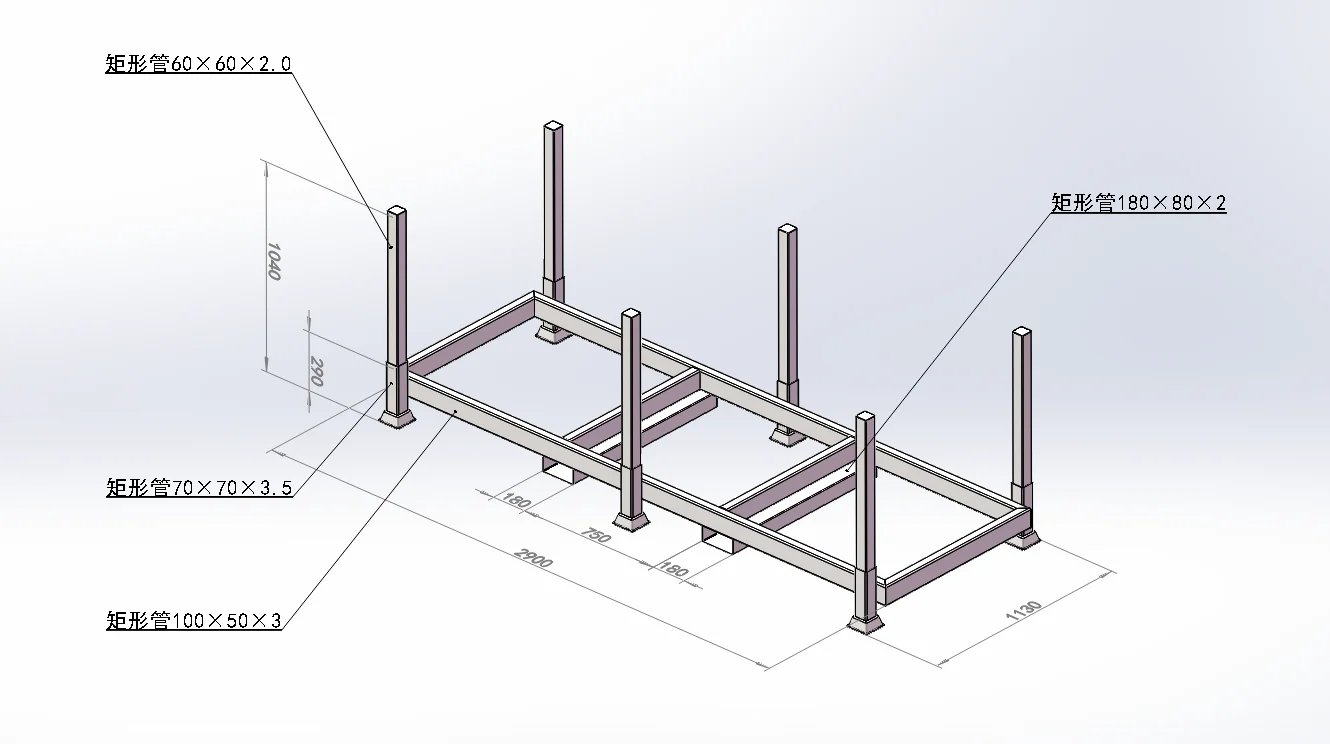
Vragen die magazijnmanagers van bandenopslag stellen
Kunnen verschillende bandenmaten één rek delen?
Ze worden gezoneerd op diameterklasse. Banden onder 800 mm en boven 800 mm gebruiken verschillende basismodellen met verschillende diepte en paalsterkte. De 800 mm-grens is een projectalgoritme, geen vaste universele waarde — bevestig de grens aan de hand van uw werkelijke bandenmix.
Hoeveel banden passen in één eenheid?
Een gangbare projectconfiguratie plaatst 4 banden in een enkele rechtopstaande rij per basismodule. Het exacte aantal hangt af van de basis van de diameterklasse die u specificeert, dus beschouw het als projectgeconfigureerd in plaats van een catalogusconstante.
Wordt de onderste band geplet?
Nee. Alle bovenbelasting gaat naar de stalen palen; de compressie van de onderste band is nul. Dat is het hele punt van het structureel dragende ontwerp.
Hoe houden we de voorraad nauwkeurig?
Rechtopstaande plaatsing in één rij maakt elke band afzonderlijk zichtbaar. In combinatie met een eenheidslabel per basis bereikte een consolidatieproject voor bandendistributie (geabstraheerd uit meerdere implementaties) 99,9% tel nauwkeurigheid.
Kunnen we ze met een heftruck verplaatsen?
Ja — behandeling van het hele rek. Afneembare palen laten lege basissen 4–6:1 nesten bij retour, wat het retourvrachtvervoer met 75–80% vermindert. Als puur staal is het rek vrijgesteld van ISPM 15, dus export vereist geen fumigatiecertificaat.
Welke afwerking is bestand tegen een nat bandenmagazijn?
Volledig ondergedompeld thermisch verzinken (projectbevestigde afwerking — thermisch verzinken, koud dompelen of composiet wordt per project gekozen) biedt slagvastheid en kathodische zelfherstellende bescherming tegen het constante vocht van een bandenopslagruimte.