
Truck Tire Pallet | 2-3 Tier Storage | Folding Side Frame | Steel Pallet
Ttrack
Truck tire pallet scenario page for 2-3 tier storage, folding side frames, forklift handling, and 40HQ container loading. Reference values from the 15417 scheme: 105 kg self-weight and 80 units per 40HQ.
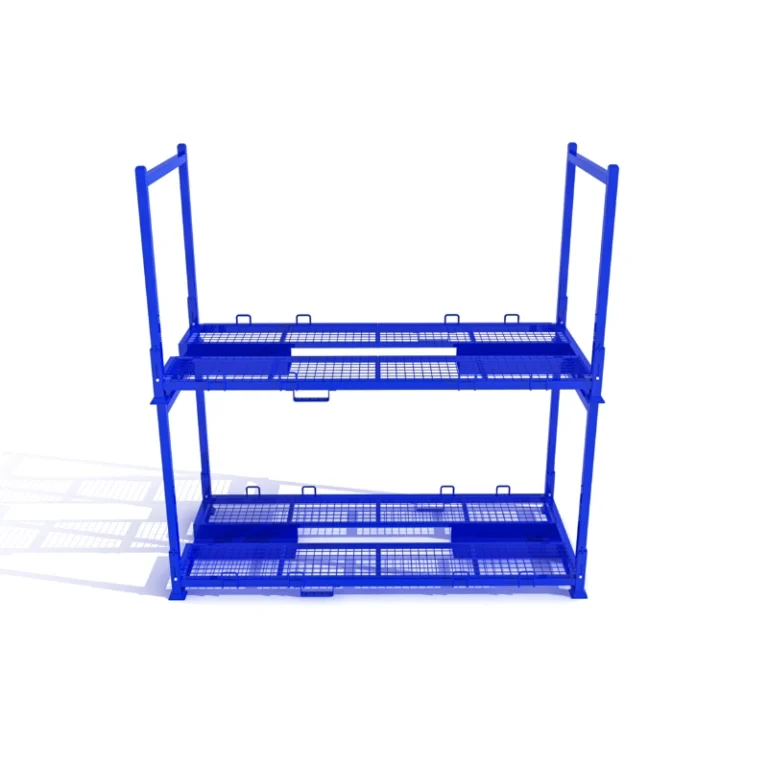
Truck tire pallet for 2-3 tier storage, folding return flow, and container loading
All numbers on this page follow the 15417 scheme reference values: 105 kg self-weight, 20ft container loading up to 35 units, and 40HQ loading up to 80 units. Final loading depends on tire size, stack height, and the loading pattern you choose.
For fleet operators, tire distributors, and truck service depots, loose floor stacking wastes floor space and makes every movement a manual job. A dedicated truck tire pallet gives each tire row a fixed bay, keeps the stack stable in 2-3 tiers, and lets forklifts move the whole unit without repacking every tire.
- 2-3 tier storage for depot stock and return flow
- Folding side frame with lock for compact return handling
- Forklift whole-unit handling for faster yard turnover
- Horizontal container entry to reduce empty gaps in the box
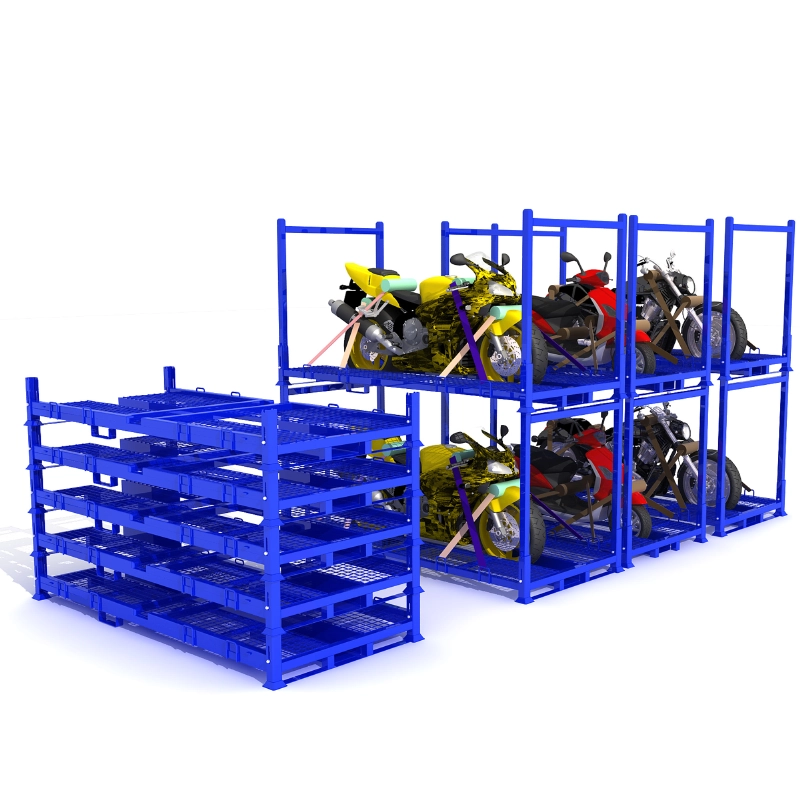
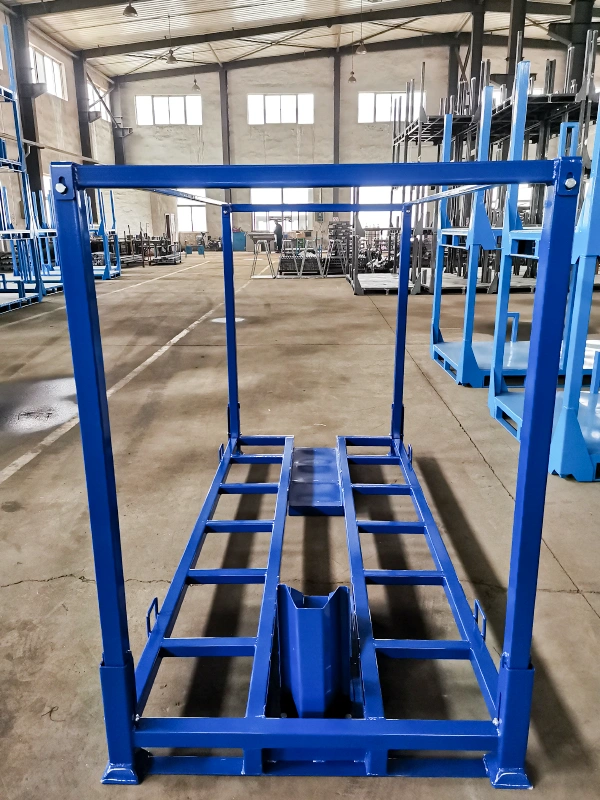
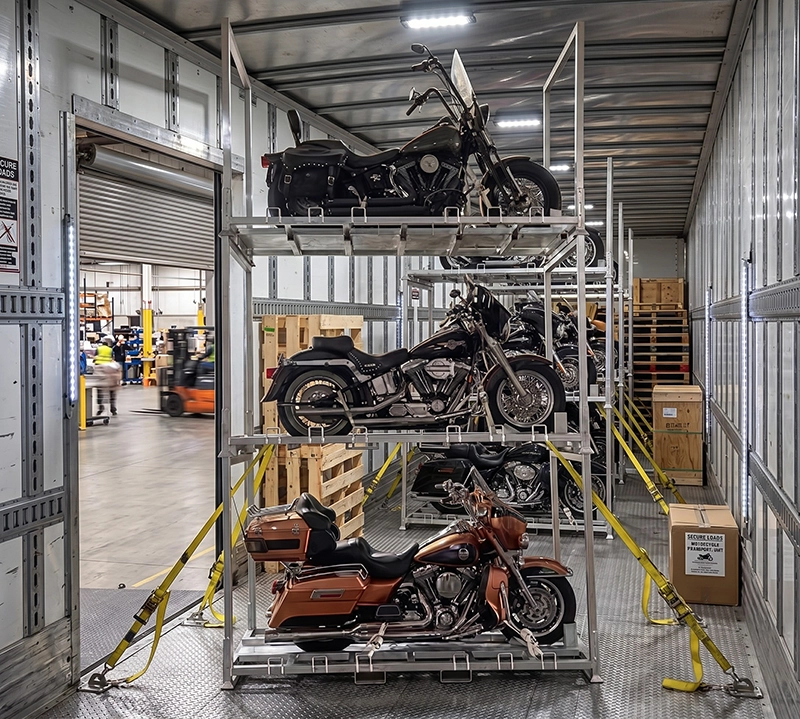
Choose the mode that matches your tire flow
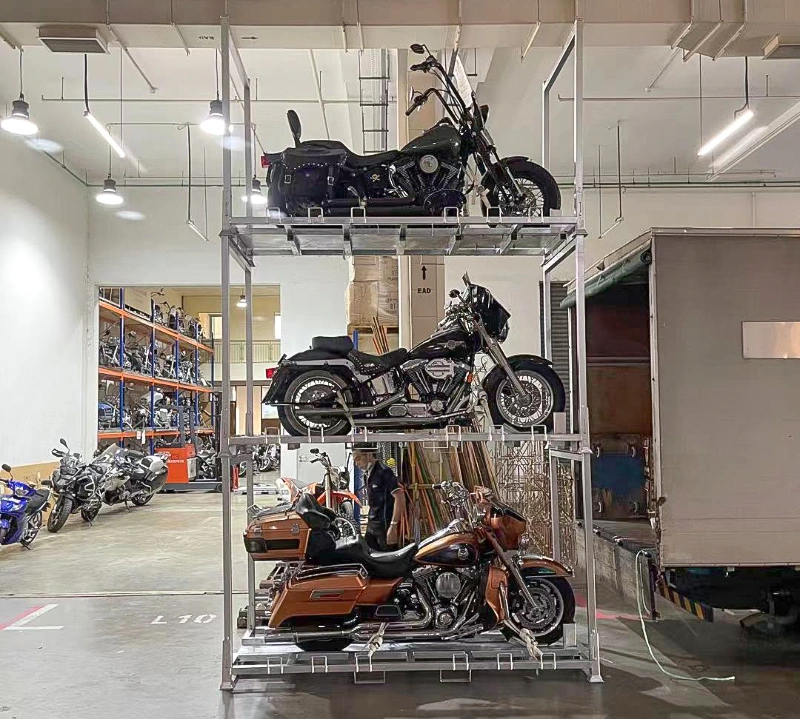
Storage mode
2-3 tier tire storage
Keep truck tires upright in a fixed bay, stop loose roll-over, and use vertical space instead of a wide floor footprint.
Fixed bay position
Forklift-ready
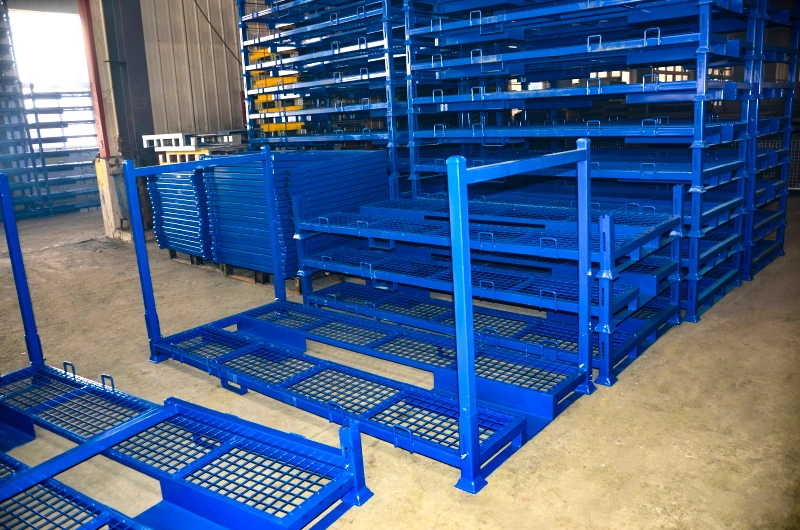
Return mode
Folding side frame
Open the frame for loading, lock it for storage or transport, then fold it back to cut the empty-return footprint.
Compact return
Lower dead weight
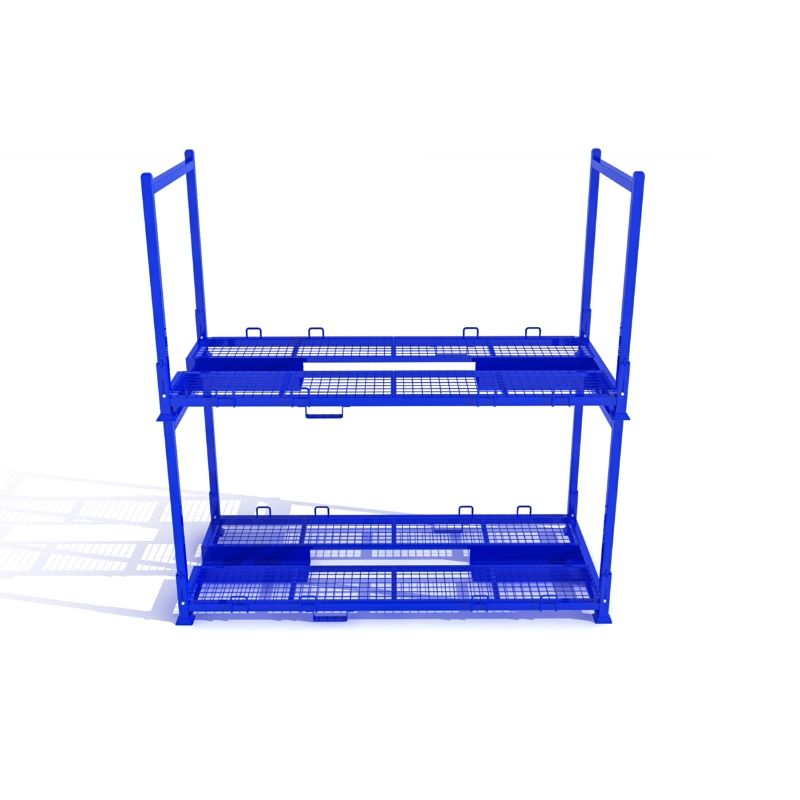
Loading mode
Container density plan
The 2300 mm scheme length is set so the unit can enter the container sideways and reduce voids in the load.
40HQ reference: 80 units
Horizontal entry
Why a dedicated truck tire pallet beats loose stacking
Fixed tire position
Truck tires are round and heavy. A dedicated pallet keeps the stack from rolling and reduces sidewall squeeze better than a flat pallet.
Lower return burden
The 105 kg figure is a scheme reference value. Compared with heavier basket-style units, the empty return leg is easier to plan and reposition.
Forklift whole-unit handling
The pallet moves as one unit, so the warehouse team does not re-stack every tire when the bay shifts or when a container is loaded.
Container fit and density
The 2300 mm scheme length is tuned for sideways container entry, which helps reduce empty gaps and improves load planning.
Alternative methods exist, but they fit different jobs. Single-use wooden crates are acceptable for one-way export when you want simple packaging. Floor parking is the worst fit when space is tight. General flat pallets do not lock the tire body. Iron frame plus carton packaging can add protection, but it is usually not the first choice for repeated circulation. This steel tire pallet is the better fit when you need 2-3 tier storage, forklift handling, and returnable circulation. It is not the right choice when you must hand-carry every unit, seal every load inside cartons, or work without forklift access.
Car tire pallet reference from the same scheme is the different option: it uses a different load mix and a heavier 168 kg reference value, so it should not be treated as the truck tire version.
From tire intake to container loading
Share the tire list
Send tire OD, width, stack height, and the monthly turn-over volume so the pallet count and container plan can be matched.
Set the frame state
Open the side frame for loading. Lock it before movement. Fold it back when the return leg or compact idle stacking is needed.
Build the stack
Load tires in 2-3 tiers according to the scheme, then secure the unit for forklift transfer and transport.
Load and return
Forklift the whole pallet into the container, then fold and stack the empty units for the return trip.
Questions buyers usually ask before they send the tire count
Why does a truck tire need a dedicated pallet?
Because loose stacking rolls, wastes floor space, and makes handling slow. A dedicated pallet gives the tire a fixed position and makes forklift movement practical.
How does the 105 kg self-weight affect return flow?
It is a scheme reference value. A lighter empty pallet reduces dead weight on the return leg and makes repositioning easier than a heavier basket-style unit.
How do the folding side frames operate?
Open the side frame for loading, lock it in place for storage or transport, and fold it back when you want a compact empty return shape. Always confirm the lock before forklift movement.
How is container density calculated?
The plan is based on the 2300 mm scheme length and the loading pattern. The 15417 reference values are 35 units in a 20ft container and 80 units in a 40HQ.
What is the difference versus the car tire pallet reference?
The car tire / recovery-parts reference is a different load mix with a 168 kg reference value. The truck tire version is tuned for truck tire turnover and lower return burden.
When should I not choose this pallet?
If you must hand-move every unit, need sealed carton packaging, or have no forklift access, a palletized steel system is usually not the right fit.
Send your tire size list, quantity, stack height, and route, and we will match the right container loading plan. Related routes: PDP-01, PDP-04, CASE-02, and SOCIAL-05.