
Custom sizing guide for stack racks and stillages
When pallet sizes change from one line to another, the inner size of the rack has to follow the real load envelope, not a catalog label.
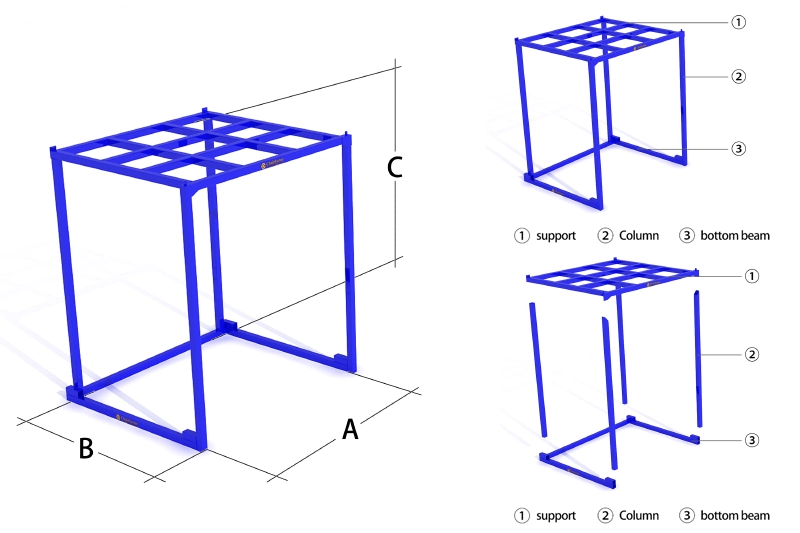
Rerack is a heavy-duty upside-down stack rack / stillage built for palletized goods that need vertical storage without fixed pallet racking. The key sizing rule is simple: the pallet footprint, the cargo envelope, the fork-entry path, and the nesting clearance all have to be checked together. That is why the right answer for a 1200×800 pallet is not automatically the same answer for a 1100×1100 or 1200×1200 pallet.
For a buyer, the practical question is not “what standard size do you sell?” but “what inner size keeps the pallet free of contact while still using space efficiently?” If the frame is too tight, pallet feet or cargo corners can touch the steel. If the frame is too loose, the rack wastes floor area, wastes container space, and reduces the benefit of a rack-and-stack workflow. Rerack is designed to avoid both problems through project-specific inner dimensions.
What actually defines the inner size
The final inner dimension is driven by five things: the pallet footprint, the outside dimensions of the cargo, the position of the pallet feet or support points, forklift tine movement, and the nesting gap needed for empty return. In documented projects, the product brief also records a 100 mm empty nesting gap chosen to suit forklift tine thickness. That is a useful reminder that stack rack sizing is never just a drawing exercise; it is a handling decision.
Square pallets need special attention. A 1100×1100 pallet and a 1200×1200 pallet both look simple on paper, but the rack still has to respect the cargo envelope above the pallet, the way the load sways during travel, and the way the frame nests when empty. If the application involves box-packed goods, bagged goods, or other stable pallet loads, the frame can be tuned tightly around the load. If the cargo is bulky or overhanging, the inner size must follow the real outside profile instead of the nominal pallet label.
Documented project sizes show the pattern
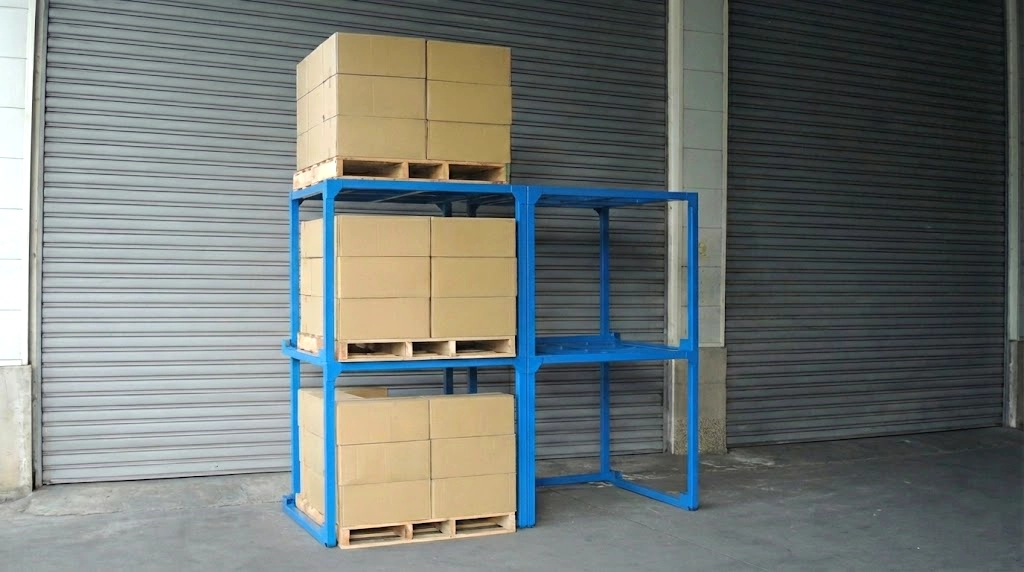
The project files give four confirmed inner-size examples: 1300×900×1900 mm, 1300×1250×1800 mm, 1300×1300×1350 mm, and 1250×1150×1700 mm. These are not a universal stock list. They are evidence that the correct answer depends on the job. A pallet program built around 1200×800 cartons may need a different depth than a program built around square 1100×1100 loads, even if both are using the same stack rack family.
- 1300×900×1900 mm suits a taller enclosed load where vertical clearance matters as much as footprint.
- 1300×1250×1800 mm fits a wider pallet envelope and leaves room for handling clearance.
- 1300×1300×1350 mm is useful when the load footprint is square and the height is more controlled.
- 1250×1150×1700 mm shows that the final size can be narrower than a square example when the cargo envelope allows it.
That is exactly why we do not collapse these jobs into one unified SKU. A single “universal” inner size would either waste space or create a collision point somewhere in the warehouse.
How we keep pallet feet and steel members from fighting each other
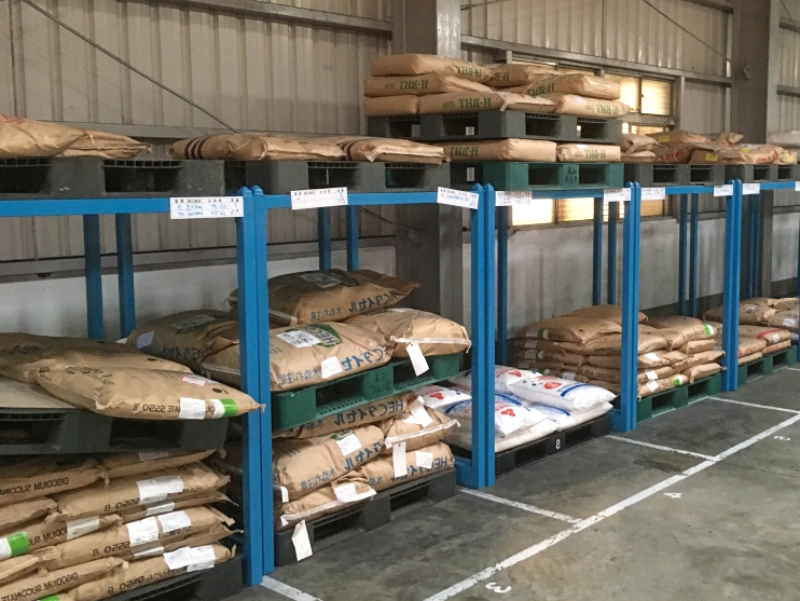
One project note is especially important: crossmembers can be aligned with pallet support feet to avoid deforming wooden pallets. That detail matters more than a generic clearance rule. If the support points are wrong, the rack may look correct on a drawing but still damage the pallet in use. For buyers comparing stack rack vs fixed pallet racking, this is one of the biggest reasons to treat the rack as a custom stack rack rather than a standard catalogue item.
Another documented point is structural weight. Depending on configuration, the project files show Rerack units at roughly 58 to 61 kg, with a 75 kg demountable post-rack comparison case in a special project. That weight range supports the heavy-duty welded steel structure needed for palletized goods, while still allowing empty units to nest tightly for compact storage and return transport.
When Rerack is the right answer
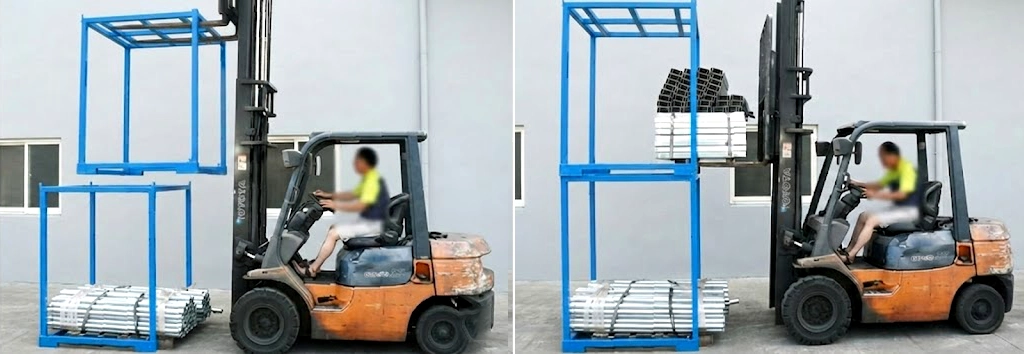
Rerack is a strong fit for stable palletized goods, temporary warehouse layouts, dense staging zones, and return loops where empty racks need to travel back in a compact bundle. It is also a good fit when your operation needs to match existing pallets instead of forcing the warehouse to adopt a new one-size-fits-all standard. That is why the best input from a buyer is the exact pallet footprint and the real cargo envelope together.
Rerack is not the right answer if the load is unstable, the cargo needs a fixed floor anchor, or the operation expects a permanent pallet-rack infrastructure. In cold-storage or indoor damp environments, the coating choice should still be matched to the project. And for any stackable steel stillage, the upper unit should only be released after the lower unit is fully seated and the stack is properly engaged.
If you are planning around 1100×1100 or 1200×1200 pallets, send the pallet size and the cargo outside dimensions together. That is the fastest way to define the inner size correctly, avoid pallet-foot conflict, and keep the rack useful both in storage and on the return trip.
Next step: compare the product page on PDP-03 and the project examples on CASE-03.
Need a Custom Storage Solution?
Speak directly with our technical engineers. We offer free structural designs, heavy-duty catalog evaluations, and quick B2B price quotations.
Request a Quote Now →